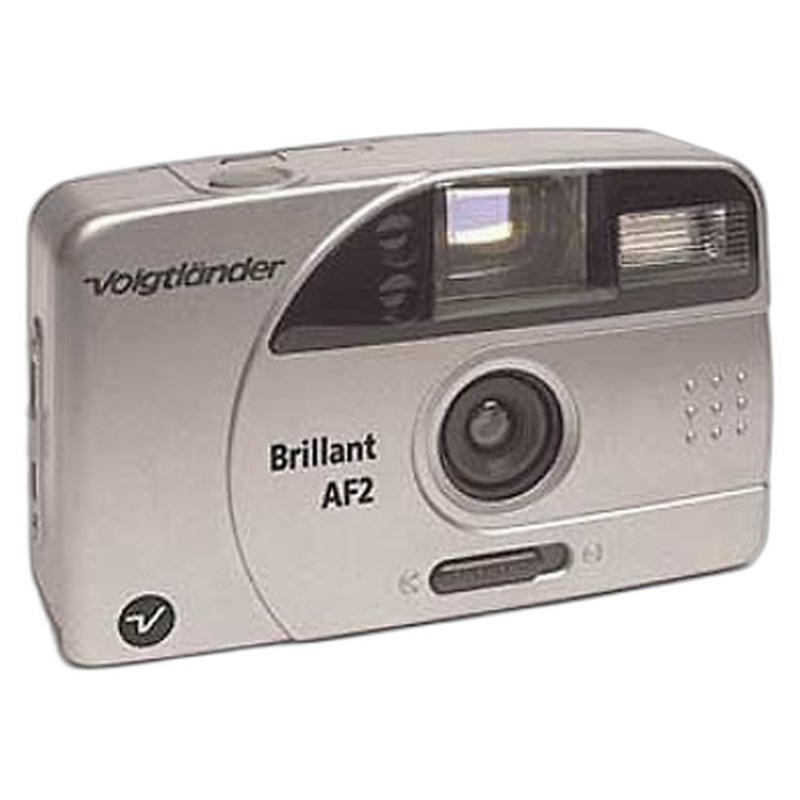
Voigtlander Brillant AF-2
Voigtlander · Germany
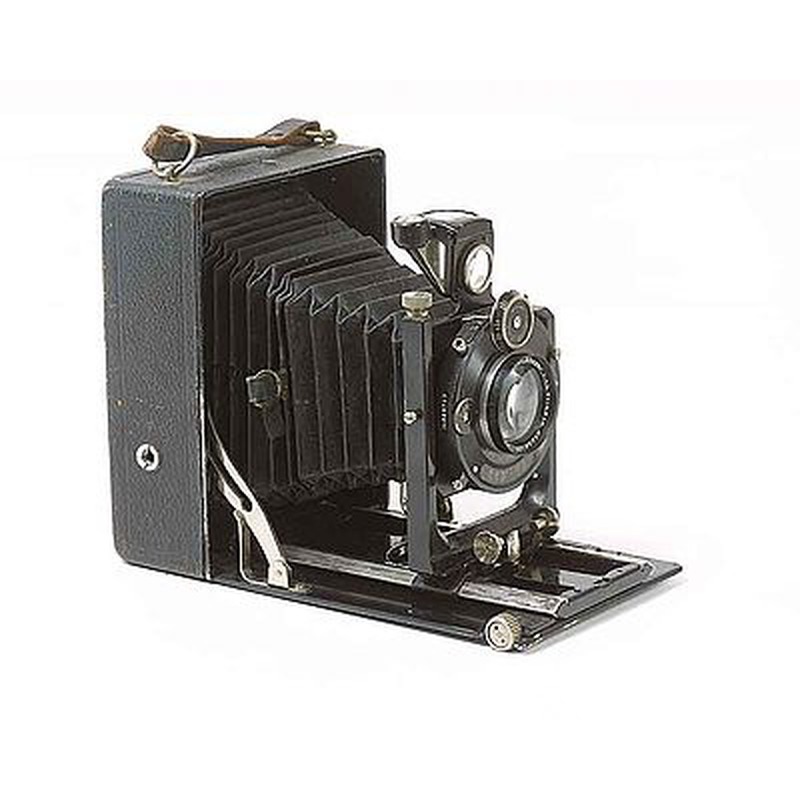
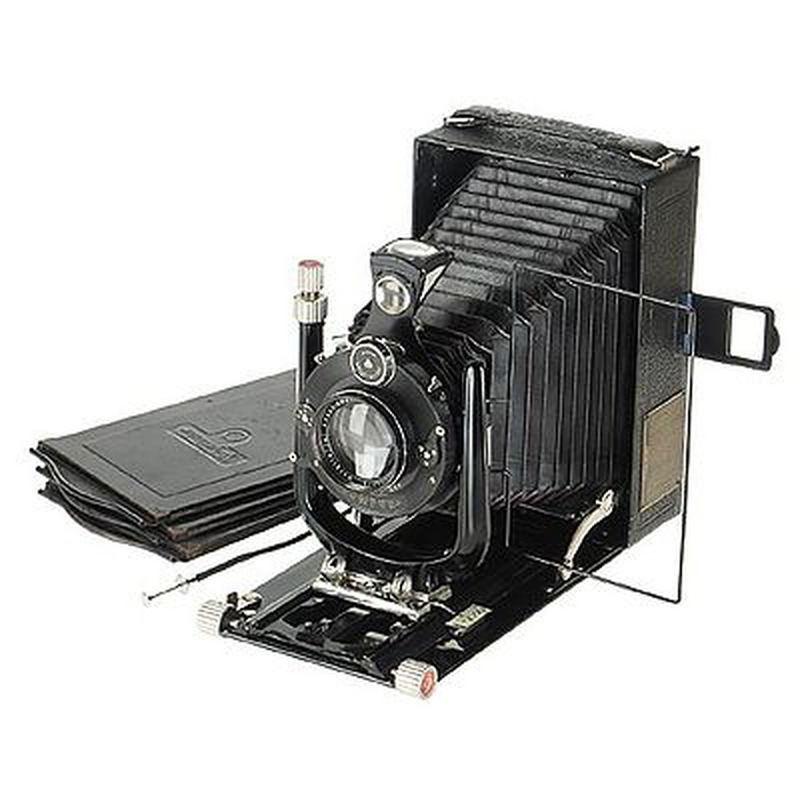
The Voigtlander Brillant AF-2 represents a specific iteration within Voigtlander's long-running line of twin-lens reflex (TLR) cameras, distinguished by its inclusion of an automatic exposure feature ("AF"). Building on the original Brillant design introduced in the 1930s, which offered a simplified, affordable entry into medium format photography, the AF-2 likely represents a later production model from the 1950s or 1960s. Like its predecessors, it maintained the characteristic twin-lens setup with a viewing lens above the taking lens, typically using 120 film for 6x6 cm exposures. The integration of an automatic exposure system in the "AF" model marked a technical progression within this established line, moving beyond the manual exposure controls found on earlier Brillants and aiming to improve user-friendliness for amateur photographers seeking greater convenience.
The Brillant series, including the AF-2, was generally positioned as a more accessible TLR camera compared to professional models. It typically featured simplified controls, a focus wheel on the lens board, and a waist-level finder with a brilliant focusing screen. Construction quality was generally solid, reflecting Voigtlander's German engineering standards, though perhaps not as robustly built or finely finished as their high-end lenses or folding rangefinders. The AF-2, with its automatic exposure, catered to photographers who valued the unique TLR viewing experience but desired less complex exposure management than fully manual models required. Its significance lies as a practical evolution within Voigtlander's consumer-level TLR offerings, bridging the gap between the fully manual original Brillant and later, potentially more advanced models.
/main.jpg)
 Enjoy this museum? Support on Ko-fi