Pricing
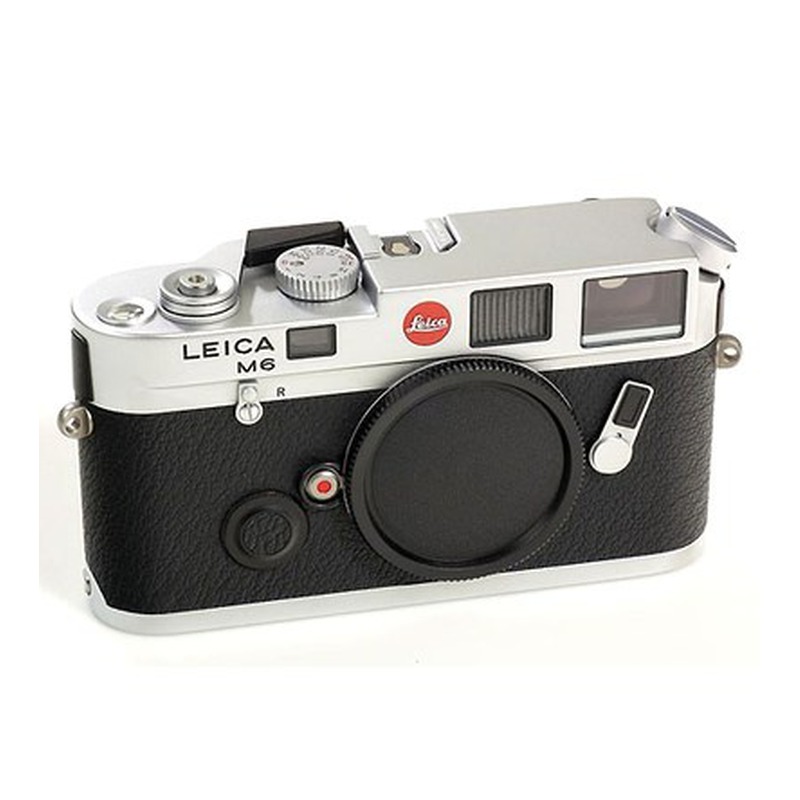
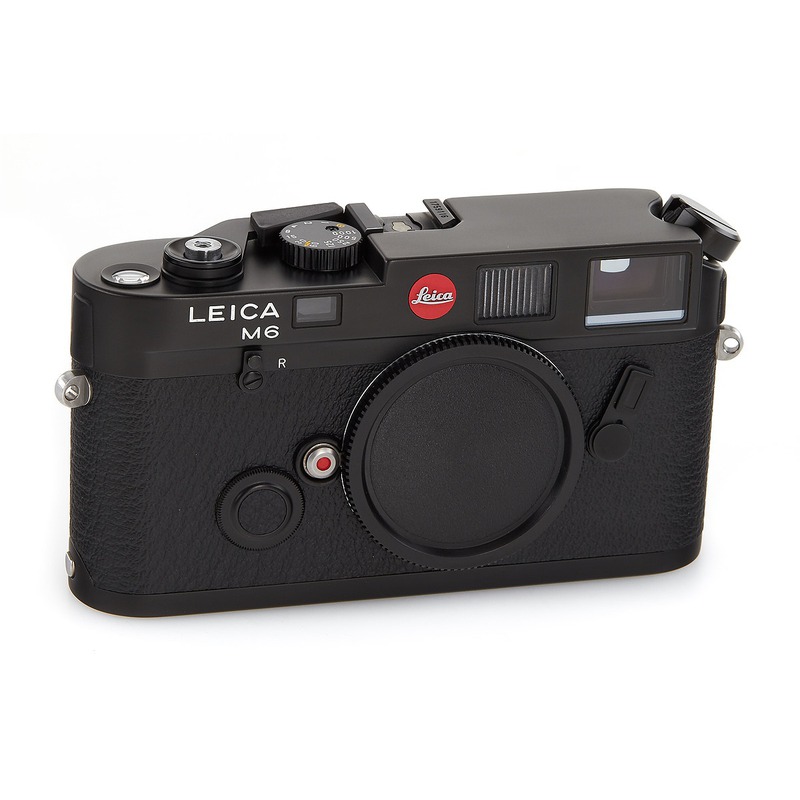
Leica M6
Leica · Germany · 1984–1998 (14 years) · 135 film
The Leica M6, produced from 1984 to 1998, stands as one of the most revered and influential 35mm rangefinder cameras ever made. It represented Leica's successful integration of modern exposure automation into their traditional, mechanically driven M system, which had its roots in the 1950s M3. The M6 replaced the M4-P, introducing a crucial improvement: an internal through-the-lens (TTL) CdS light meter coupled to match needle in the finder, eliminating the need for external meters while preserving the M-series' renowned simplicity and tactile control. This refinement, combined with the camera's legendary build quality, precision mechanics, and whisper-quiet shutter, cemented its status as the definitive tool for demanding photographers seeking reliability and discretion. It embodied the pinnacle of the film Leica M aesthetic, offering a direct, uncluttered viewing experience and an almost telepathic connection between the photographer and the scene.
The M6 became synonymous with candid street photography and photojournalism during its production run. Its compact size, near-silent operation, and bright, accurate viewfinder allowed photographers like Henri Cartier-Bresson, Elliott Erwitt, and countless documentarians to work intuitively and unobtrusively in challenging environments. The camera's robust, all-metal construction, often featuring brass and leatherette or chrome plating, ensured exceptional durability and longevity, with examples still functioning flawlessly decades later. It wasn't just a camera but a trusted instrument for visual storytelling, embodying the "decisive moment" philosophy. The M6's production spanned nearly 15 years, with various iterations (like the "Classic," "TTL," and "Millennium"), but all shared the core virtues of precision engineering, timeless design, and unparalleled handling that defined the Leica M experience.
Specifications
| Film Format | 135 |
/main.jpg)
/main.jpg)
/main.jpg)
 Enjoy this museum? Support on Ko-fi