/main.jpg)
Pricing
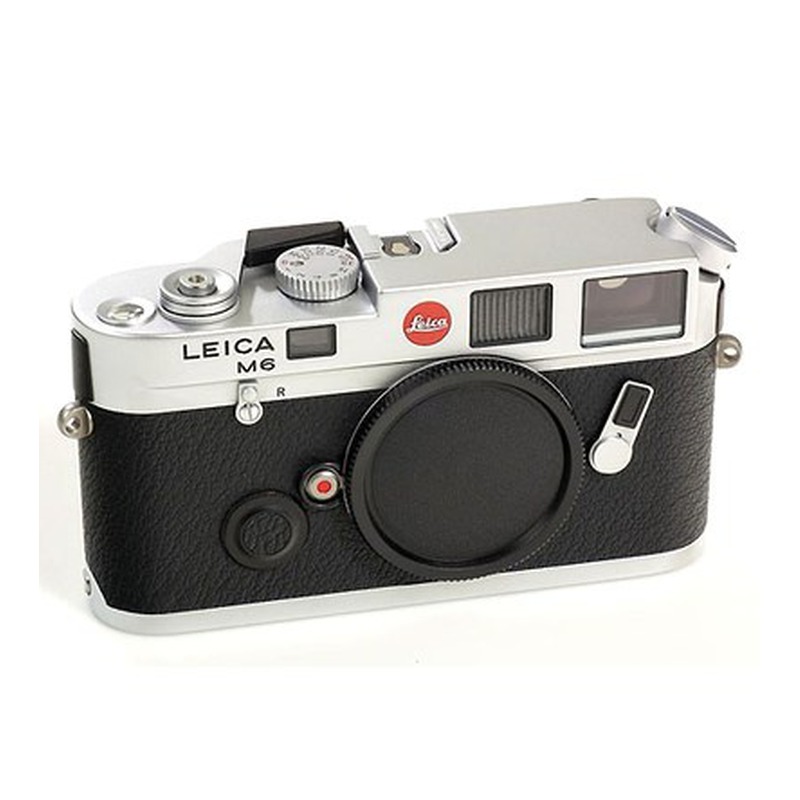
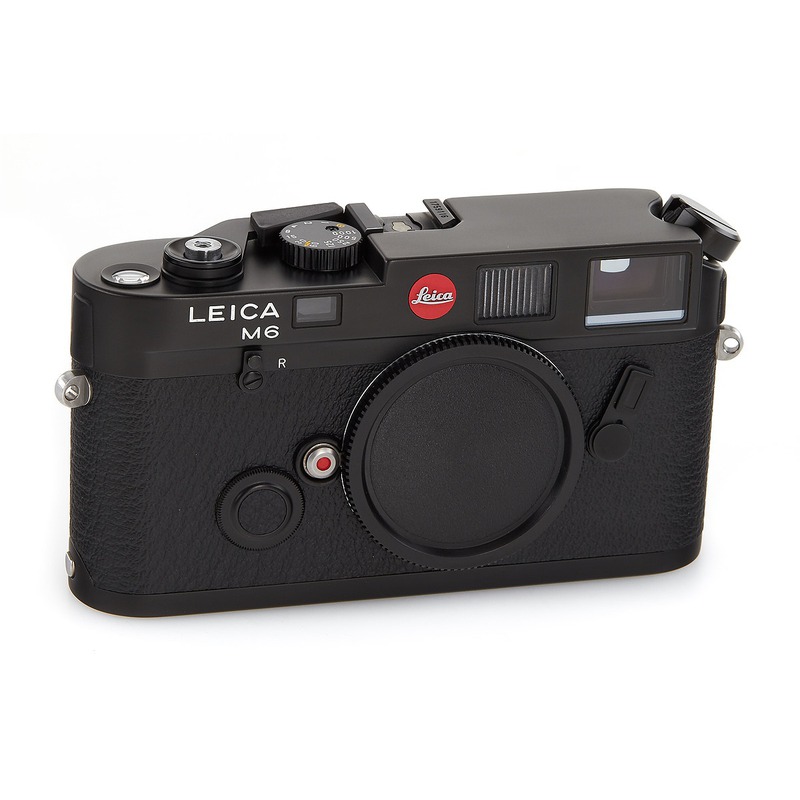
Leica M6 black (early)
Leica · Germany · 1984 · 135 film
The Leica M6, launched in 1984, represented a pivotal moment in the evolution of Leica's iconic M-series rangefinder cameras. Building upon the legendary M3's optical excellence and the M4's refined mechanics, the M6 introduced the single most significant modern upgrade to the M system: a built-in, selective-through-the-lens (TTL) light meter. This innovation finally brought the convenience of metering to the rangefinder system without compromising its compact size or traditional operational feel. The "early" black version, produced shortly after its introduction, embodies the classic, no-nonsense aesthetic Leica was renowned for, featuring a black painted brass body and chrome-plated top plate components, exuding a sense of precision and understated elegance that defined the brand. Its design focused on durability and functionality, with its top-mounted controls for shutter speed, film speed, and rewind remaining intuitive and efficient for experienced photographers.
The M6's core innovation was its integration of the light meter into the existing M body architecture, utilizing a match-needle system visible in the viewfinder alongside the rangefinder patch and framelines. This allowed photographers to maintain the fast, accurate focusing and bright viewfinder experience of rangefinder photography while gaining reliable exposure control. The camera's construction was meticulous, utilizing high-quality materials like brass and leatherette, solidified by Leica's reputation for exceptional mechanical engineering and build quality. It became the definitive tool for generations of photojournalists, documentarians, and serious amateurs seeking a discreet, reliable, and uncompromisingly high-quality 35mm camera. The M6's influence extended beyond its specifications; it solidified the rangefinder system's relevance in the era of increasingly dominant SLRs and later, autofocus cameras.
Photographers such as Henri Cartier-Bresson, though he famously preferred the earlier M3/M4 era for his later work, acknowledged the system's enduring philosophy. More contemporary masters like Steve McCurry and James Nachtwey adopted the M6 for its unobtrusive nature and image quality, capturing iconic images with its quiet precision. The M6's production run spanned nearly two decades, evolving slightly but retaining its essential character, making it not just a camera of 1984 but a timeless tool that shaped documentary and street photography. Its introduction marked a successful fusion of tradition and modernity, ensuring the Leica M system's continued relevance well into the 21st century and securing its place as one of the most significant 35mm cameras ever made.
Specifications
| Film Format | 135 |
/main.jpg)
/main.jpg)
 Enjoy this museum? Support on Ko-fi