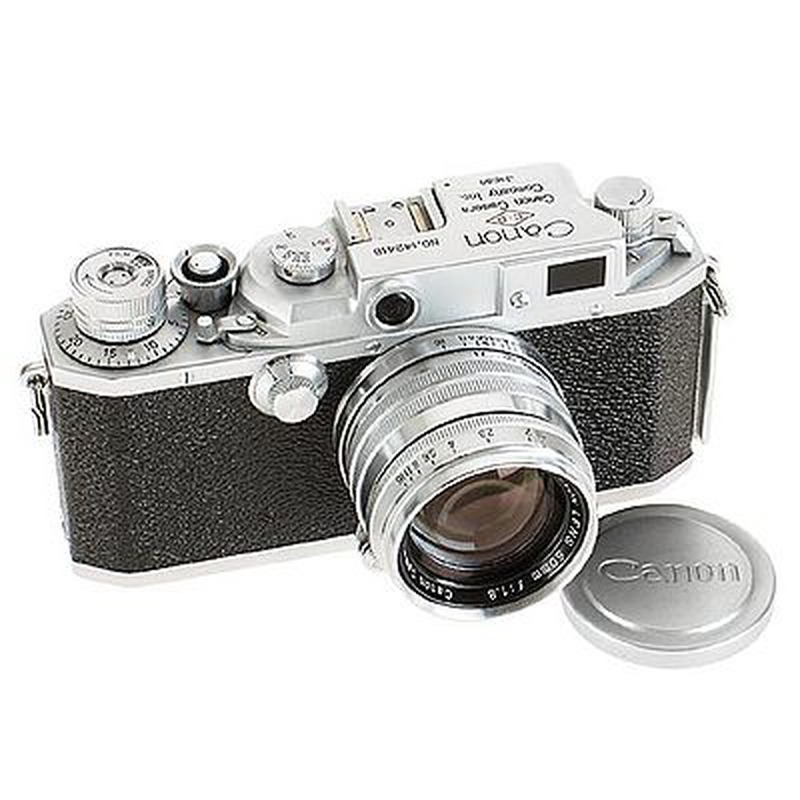
Canon IIF
Canon · Japan
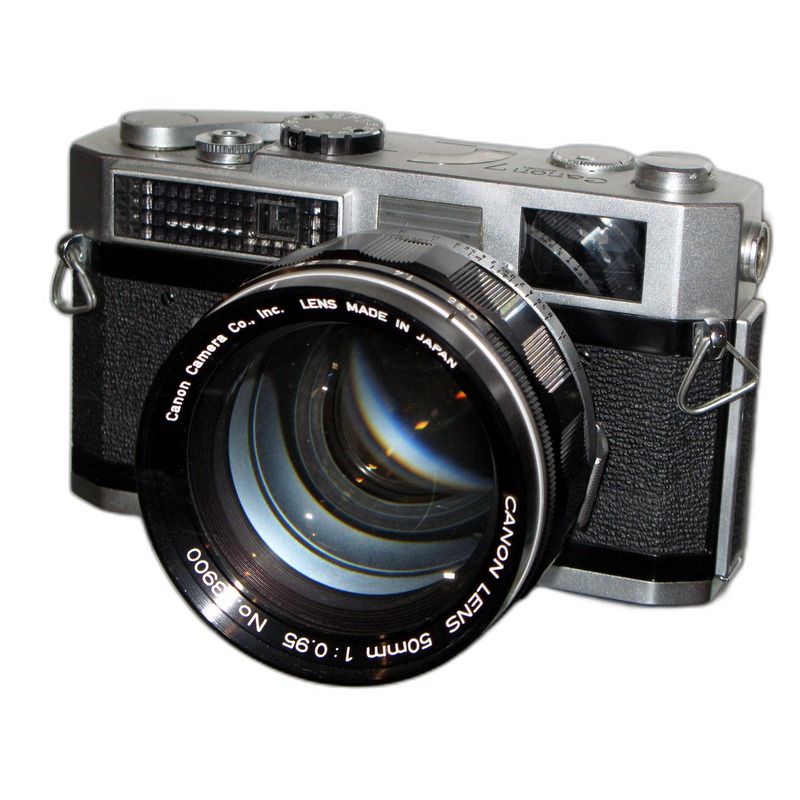
The Canon IIF represents a significant step in Canon's post-World War II development as a camera manufacturer. Released in the early 1950s (likely around 1953), it was a robust and refined evolution of Canon's earlier I and IB models, solidifying their presence in the burgeoning 35mm rangefinder market. Targeted primarily at amateur photographers, it offered reliable performance and a simplified experience compared to more complex professional models. Its key features included a coupled rangefinder for accurate focusing, a Compur-type shutter with speeds from 1 second to 1/500th, and a reasonably bright viewfinder. While not breaking new ground in terms of innovation, the IIF showcased Canon's growing engineering capability and commitment to producing accessible, high-quality cameras that helped build their global reputation.
As a representative model from Canon's early rangefinder era, the IIF embodies the practical, workhorse ethos of many post-war cameras. Its straightforward controls, sturdy construction (often featuring metal bodies and leatherette covering), and dependable operation made it a popular choice for everyday photography. It fit neatly into Canon's lineup between the simpler models and the higher-end Canon III series, appealing to enthusiasts who desired more features than basic box cameras but without the complexity or cost of professional equipment. The IIF contributed significantly to Canon's market penetration and provided a solid foundation for their subsequent, more iconic rangefinder models.
 Enjoy this museum? Support on Ko-fi