/main.jpg)
Pricing
Goerz Box Tengor (6x9)
Goerz · Germany · 1924 · 120 film
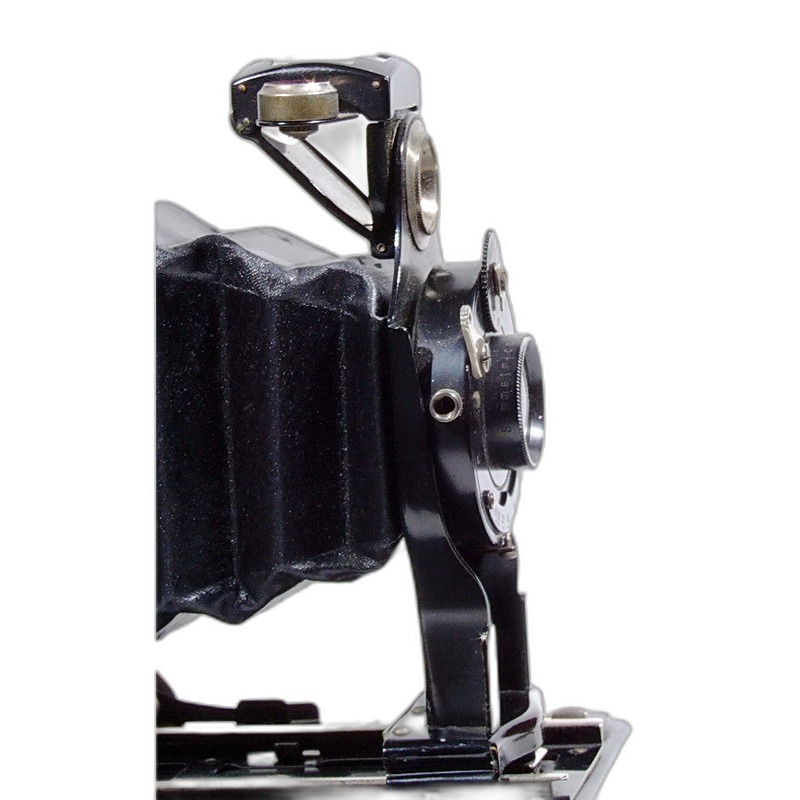
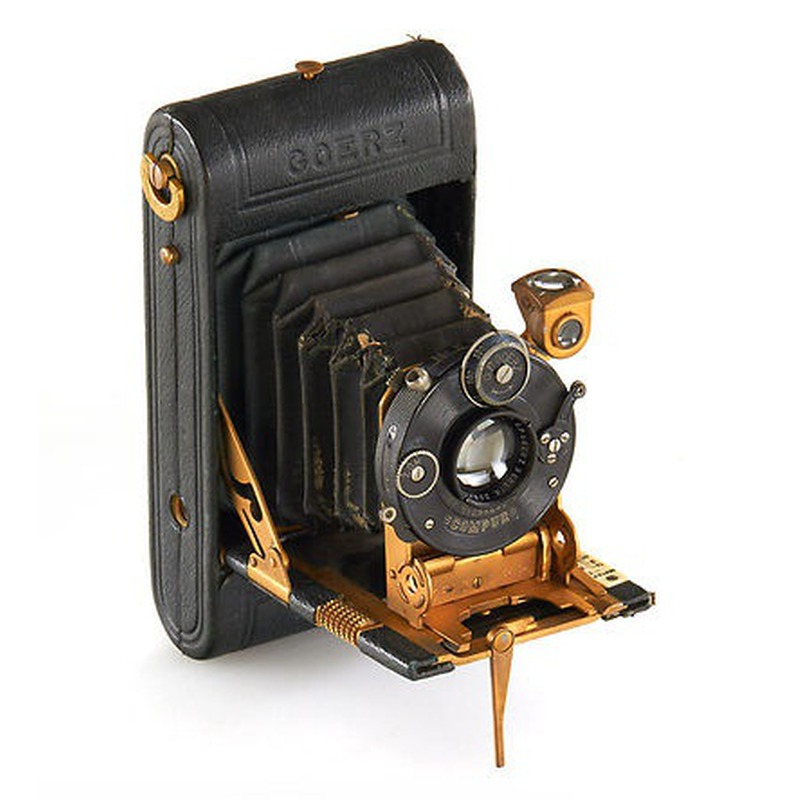
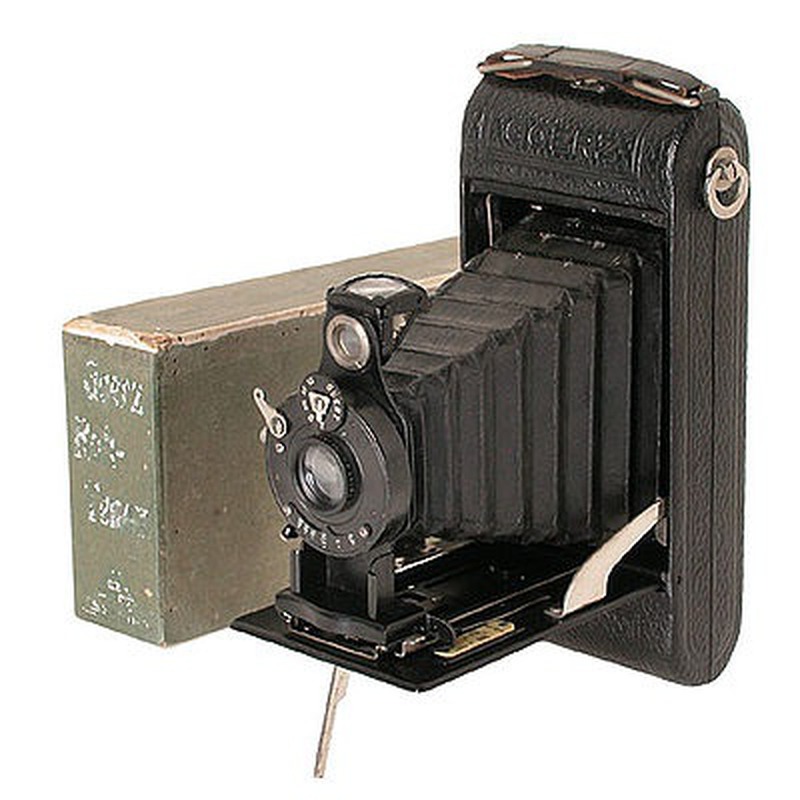
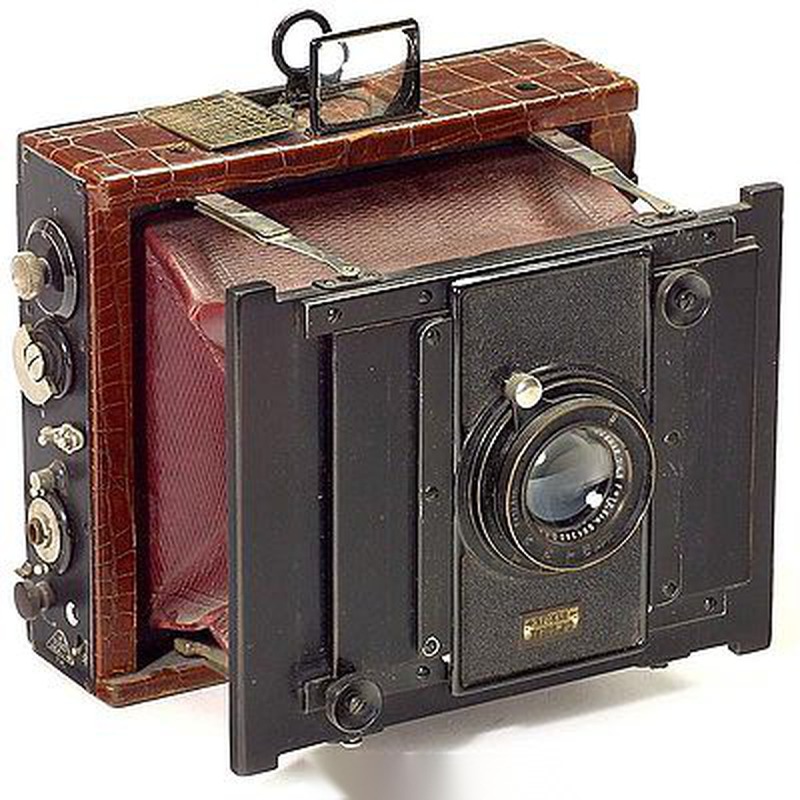
The Box Tengor (6x9) by Goerz represents a significant, though not revolutionary, step in making medium format photography more accessible to the amateur market during the mid-1920s. Introduced in 1924, this simple box camera utilized readily available 120 roll film to produce large 6x9 cm negatives, prized for their generous size and potential detail compared to smaller formats. Characterized by its straightforward, robust construction, typically featuring a black Bakelite body and simple controls – often just a shutter release and a focusless lens – the Box Tengor embodied the "point-and-shoot" philosophy of its era. It was designed for ease of use, prioritizing reliable image capture over complex technical features, making medium format photography viable for a broader audience than ever before.
As part of Goerz's established Tengor line, which initially included simpler roll film models and later evolved to include more sophisticated versions, the 6x9 variant filled a specific niche. While it lacked the innovative drive or renowned user base of landmark cameras, its significance lies in its role as a practical, affordable workhorse. It offered photographers a significant jump in image quality over smaller roll film cameras without the complexity or cost of professional field cameras. Its existence reflects the post-WWI market boom and the growing consumer interest in photography, solidifying medium format (120 film) as a standard for both serious amateurs and some professionals seeking portability alongside image quality.
Specifications
| Film Format | 120 |
/main.jpg)
/main.jpg)
 Enjoy this museum? Support on Ko-fi