Pricing
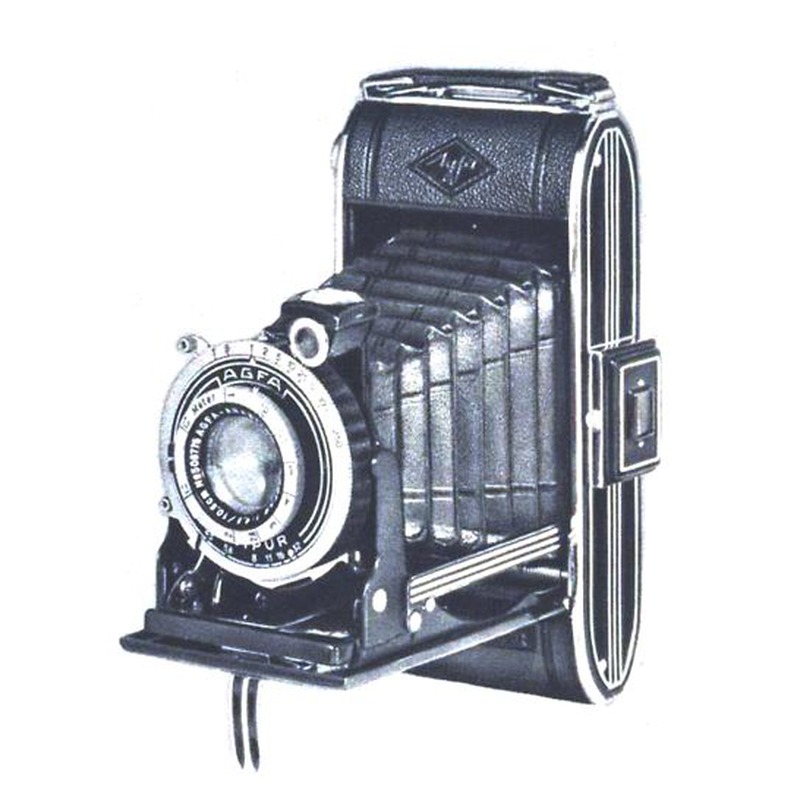
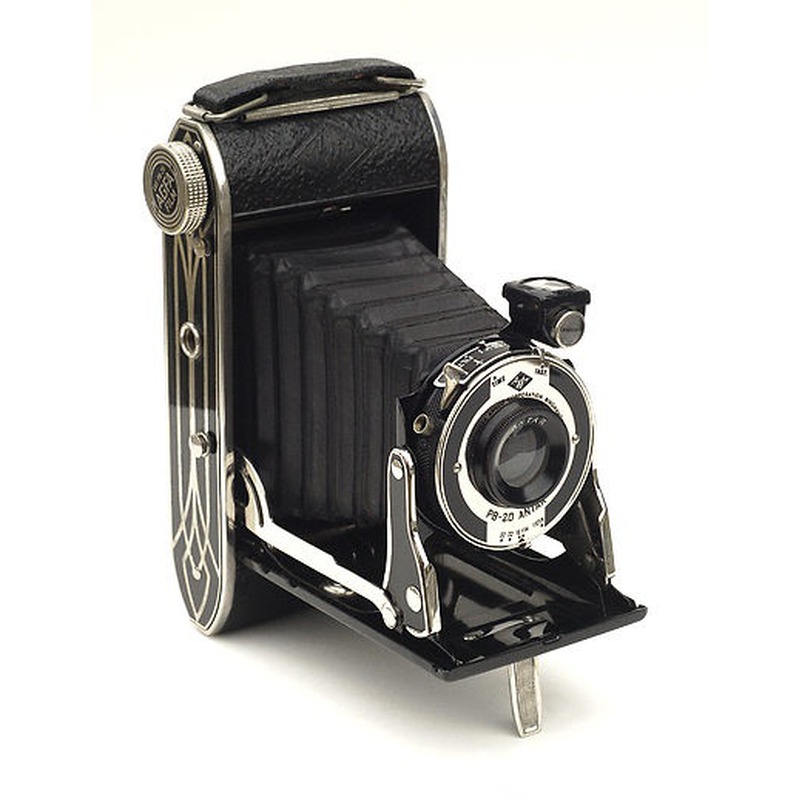
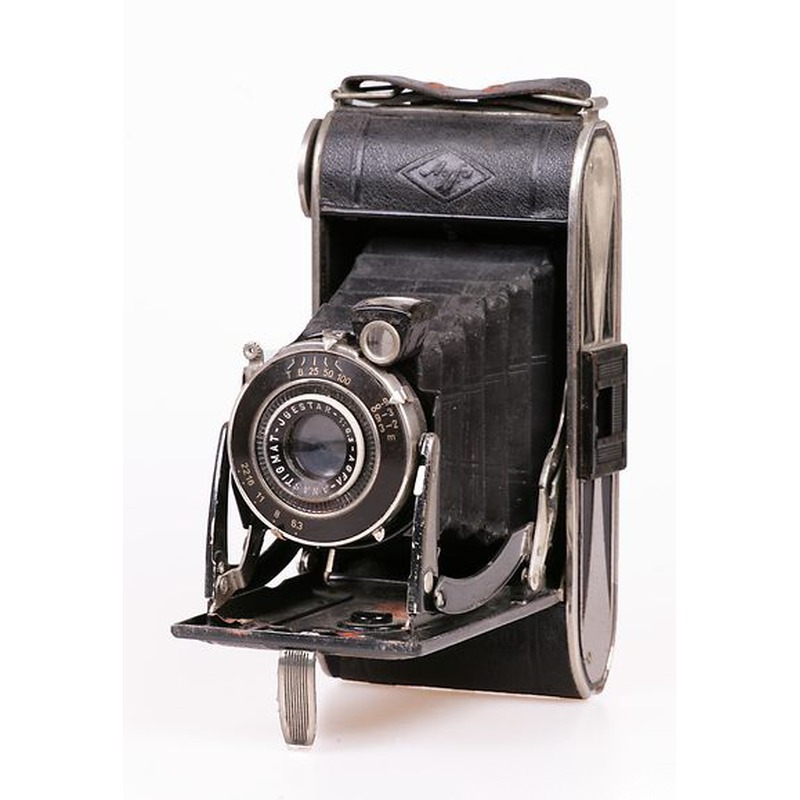
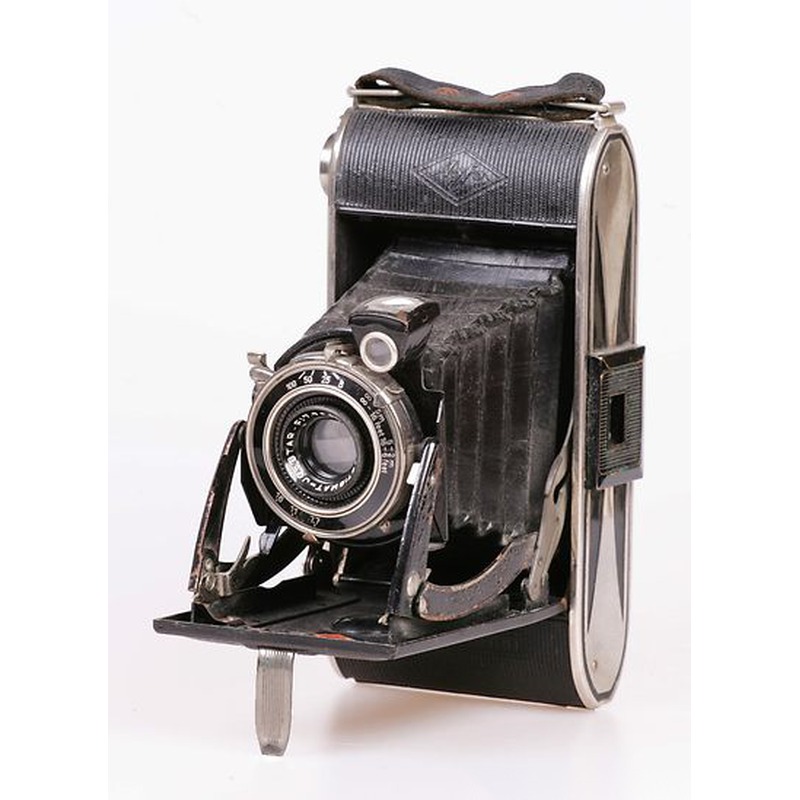
Agfa Billy Compur
Agfa · Germany · 1934–1942 (8 years) · 135 film
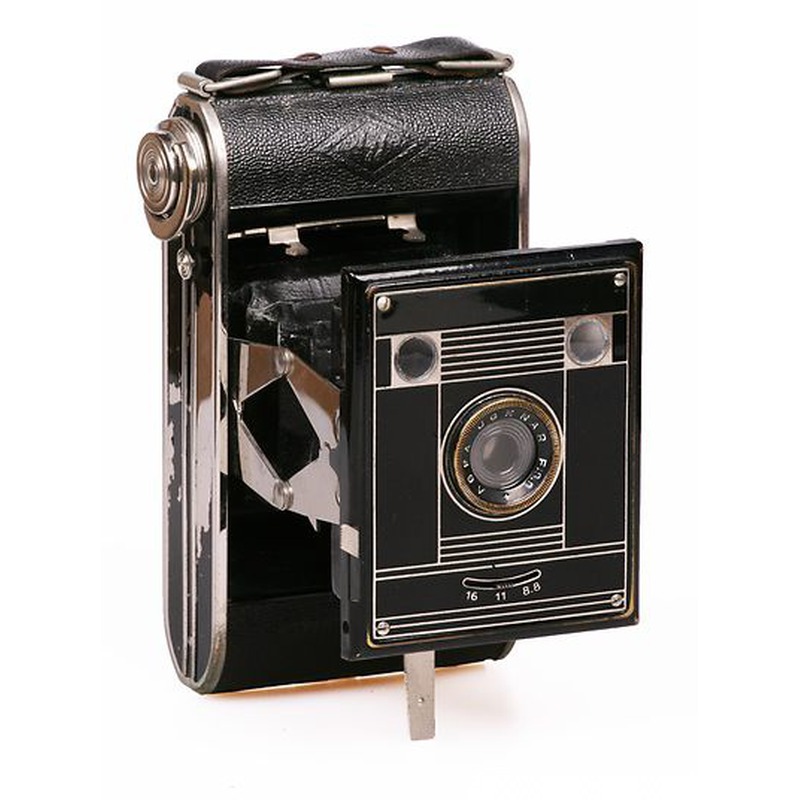
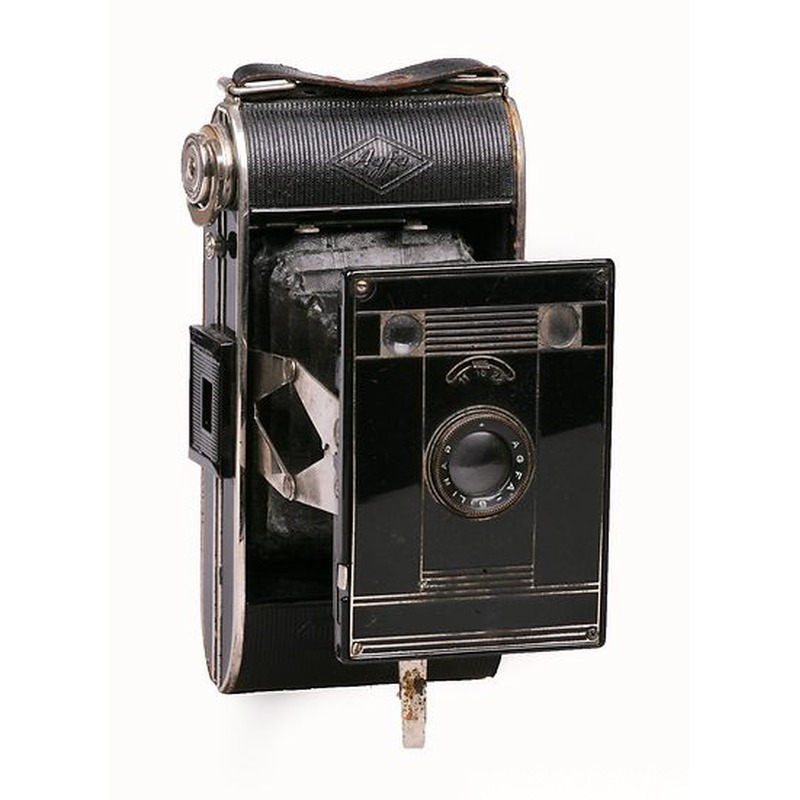
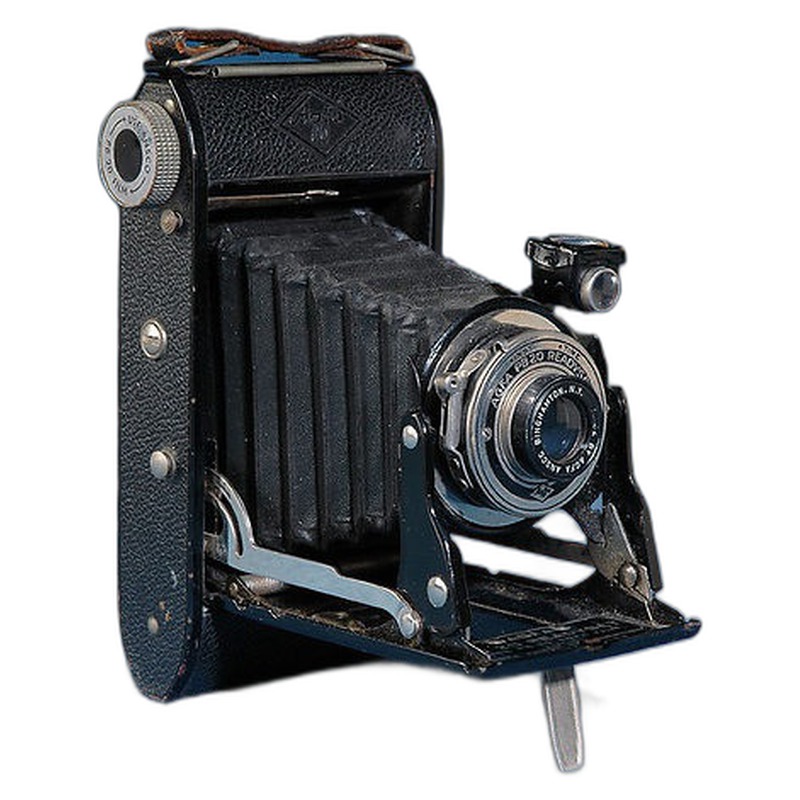
The Billy Compur represents Agfa's mid-range offering in its Billy series of 35mm cameras during the 1934-1942 production period. Utilizing the emerging 135 cartridge film format, it positioned itself as a more accessible alternative to higher-end models like the contemporary Agfa Karat or Leica cameras. Key to its design was the integration of a Compur shutter, a respected name in precision shutters known for its reliability and consistent speeds, providing users with dependable exposure control. Constructed primarily of metal, likely with bakelite or other synthetic components, the Billy Compur featured a straightforward rangefinder focusing system and a modest lens, making it a practical tool for amateur photographers seeking an affordable yet functional 35mm experience during the interwar and early wartime years. It exemplifies Agfa's strategy to broaden the market for small-format photography beyond professionals and serious enthusiasts.
As a product of its time and company, the Billy Compur served adequately within the context of Agfa's extensive camera lineup. Its significance lies more in its role as a consistent, budget-conscious 35mm model than in introducing groundbreaking features or design paradigms. It filled a niche for consumers wanting the advantages of miniature film—compactness, lower cost per exposure, and manageable film development—without the premium expense or complexity of top-tier German offerings. While not a landmark camera, it stands as a representative example of 1930s/1940s German engineering applied to a burgeoning consumer format, contributing to the popularization of 35mm photography.
Specifications
| Film Format | 135 |
 Enjoy this museum? Support on Ko-fi