Pricing
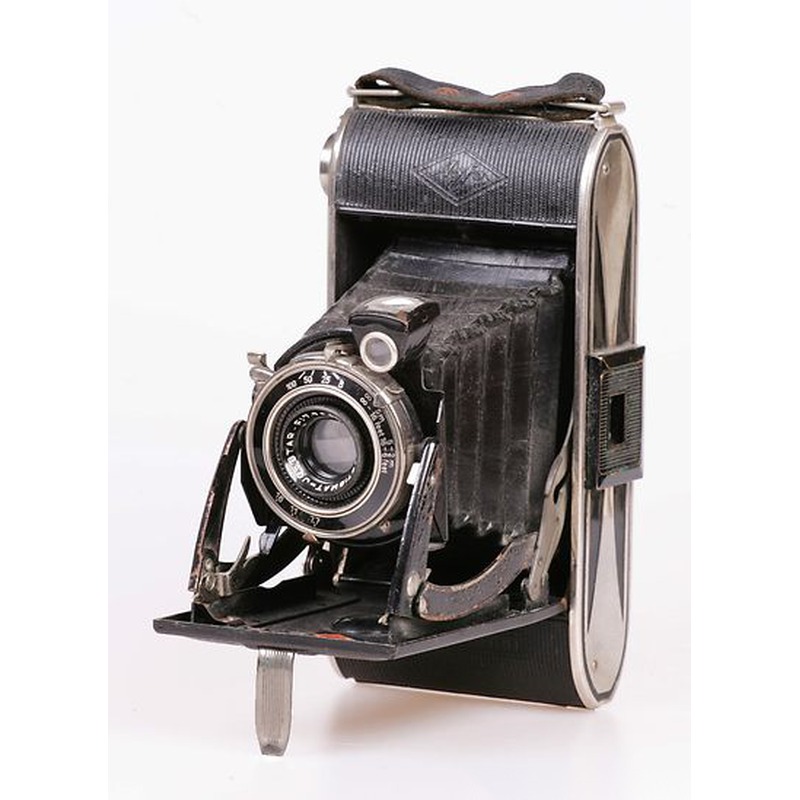
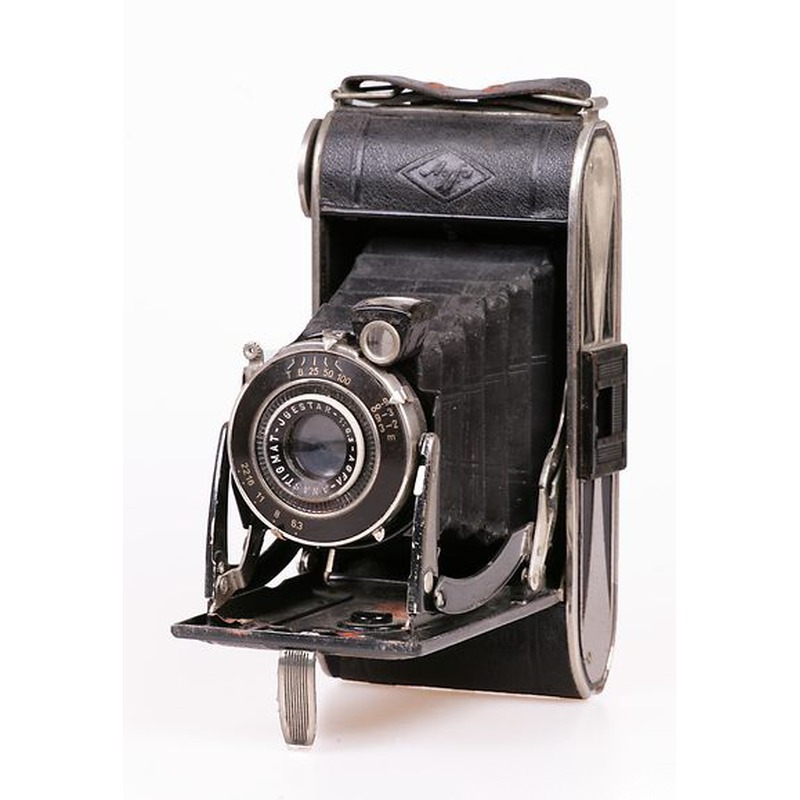
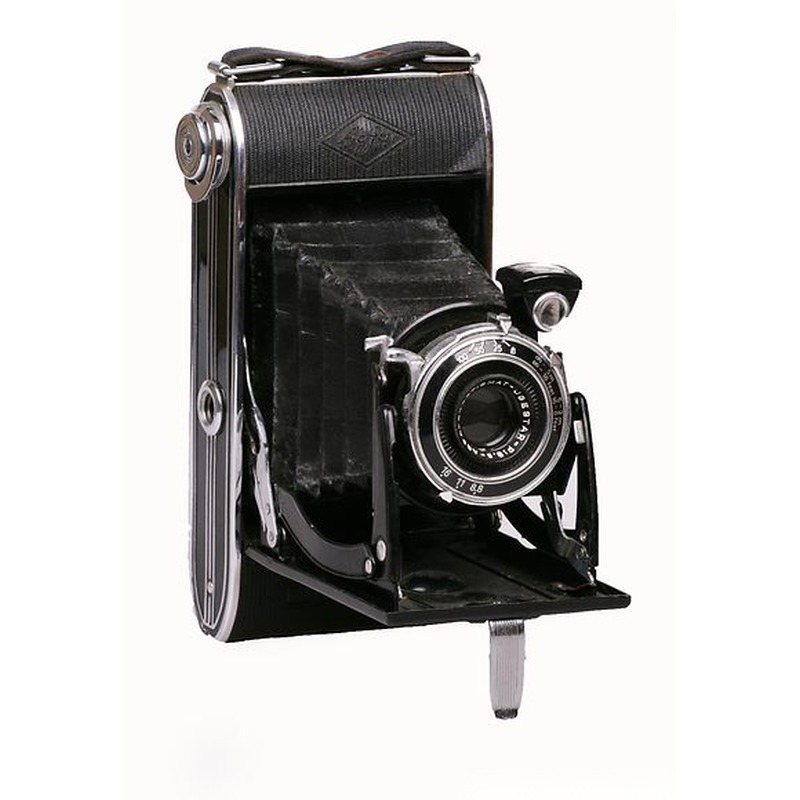
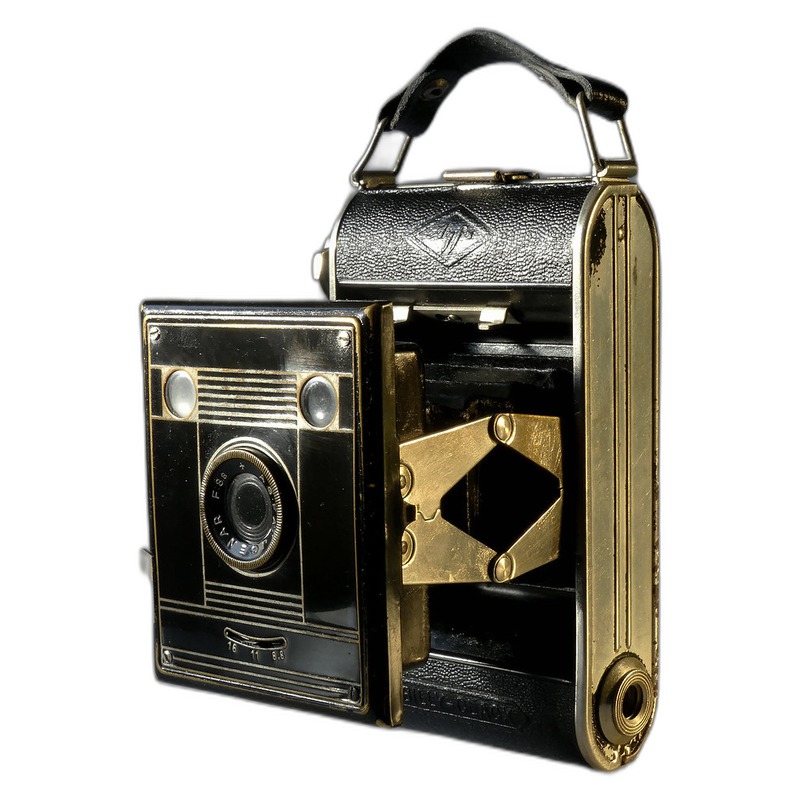
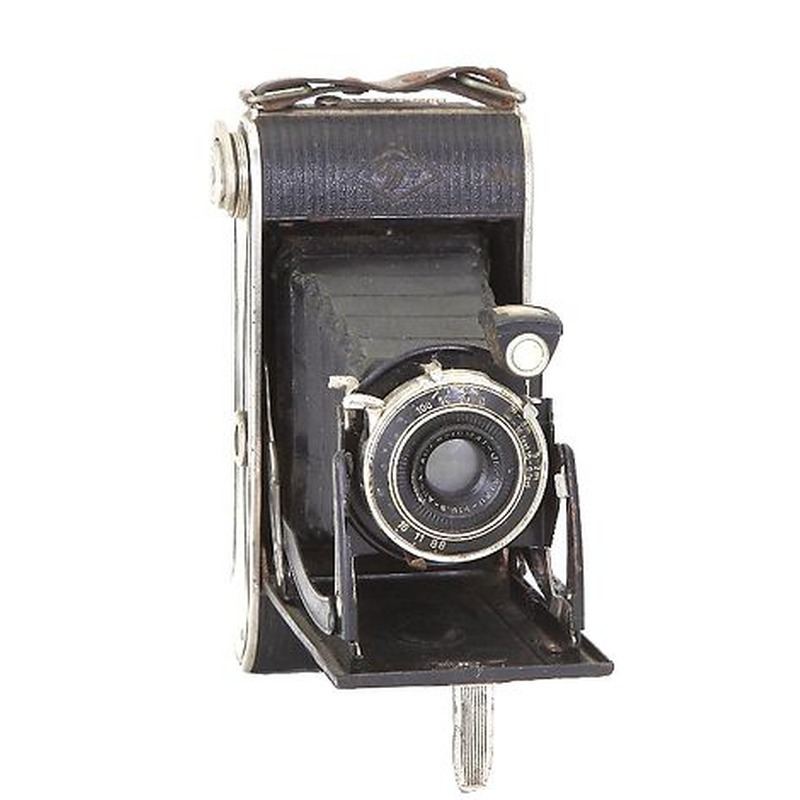
Agfa Billy Record 7.7
Agfa · Germany · 1933–1949 (16 years) · 135 film
The Billy Record 7.7 marked Agfa's significant entry into the burgeoning 35mm (135) market in 1933. Positioned as a more affordable alternative to established leaders like Leica, it was a compact, self-erecting lens camera aimed at enthusiasts and serious amateurs. Utilizing a Compur shutter (typically offering speeds from 1s to 1/500s), the camera was generally paired with an Agfa Solinar lens, available in various focal lengths like 5cm or 7.5cm. Its design followed contemporary conventions but delivered reliable performance, embodying Agfa's reputation for solid German engineering accessible to a broader audience. Production continued through the challenging years of World War II and into the immediate post-war period until 1949, making it a long-serving model in its era.
While not a groundbreaking design that introduced radical new features, the Billy Record 7.7 was a workhorse camera that contributed to the normalization of 35mm photography in Europe. Its straightforward operation and dependable build quality made it a popular choice for documentary and travel photography during the tumultuous 1930s and 1940s. It served as the backbone for Agfa's initial 35mm system, paving the way for future models, and remains a representative example of the robust, practical cameras produced by Agfa in the mid-20th century.
Specifications
| Film Format | 135 |
/main.jpg)
 Enjoy this museum? Support on Ko-fi