Pricing
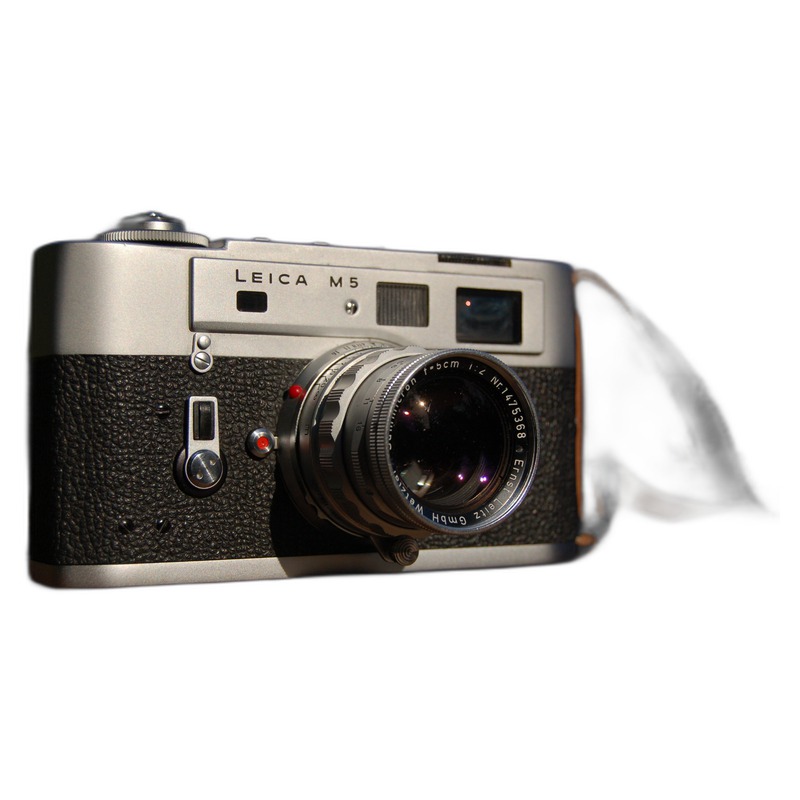
Leica M5
Leica · Germany · 135 film
The Leica M5, introduced in 1971, holds a pivotal place in the history of Leica and rangefinder photography. It stands as the first Leica M-series camera to incorporate through-the-lens (TTL) metering, a significant technical leap forward that provided exposure accuracy previously unattainable with the earlier separate meter cells. This innovation, housed within the classic M body, marked Leica's attempt to modernize its flagship rangefinder line for the changing photographic landscape of the early 1970s. However, the M5's historical significance extends beyond its metering; it was also the last Leica M camera to be manufactured entirely in Wetzlar, Germany, by hand using the meticulous "adjust and fit" method. This traditional craftsmanship represented the culmination of an era, a final statement on the uncompromising, labor-intensive assembly process that defined Leica's golden age of hand-built rangefinders.
Crafted during the final phase of Leica's Wetzlar hand-assembly period, the M5 embodies a pinnacle of mechanical engineering and artisanal construction. Its magnesium alloy body, precision-milled brass components, and the complex mechanics of the coupled rangefinder and TTL metering system underscore the build quality associated with Leica's most celebrated models. Despite its advanced metering, the camera retained the tactile feedback and mechanical reliability expected of Leica rangefinders. While its contemporary reception was mixed – partly due to its slightly larger size compared to the M3 and M4, and the introduction of highly successful SLRs like the Leicaflex SL – the M5 found favor among discerning photojournalists and documentarians who valued the unobtrusive nature of rangefinders combined with the convenience of TTL metering. Renowned photographers such as Henri Cartier-Bresson, though known for earlier Leica models, and Sebastião Salgado, who used M-series cameras extensively in his early career, worked within the same tradition; the M5's sophisticated yet robust design undoubtedly appealed to those seeking the ultimate in portable, precision-engineered photographic tools.
Specifications
| Film Format | 135 |
| Shutter | Mechanically timed horizontal running cloth shutter |
| Metering | 8 mm circular CDS cell |
/main.jpg)
/main.jpg)
/main.jpg)
 Enjoy this museum? Support on Ko-fi