/main.jpg)
Pricing
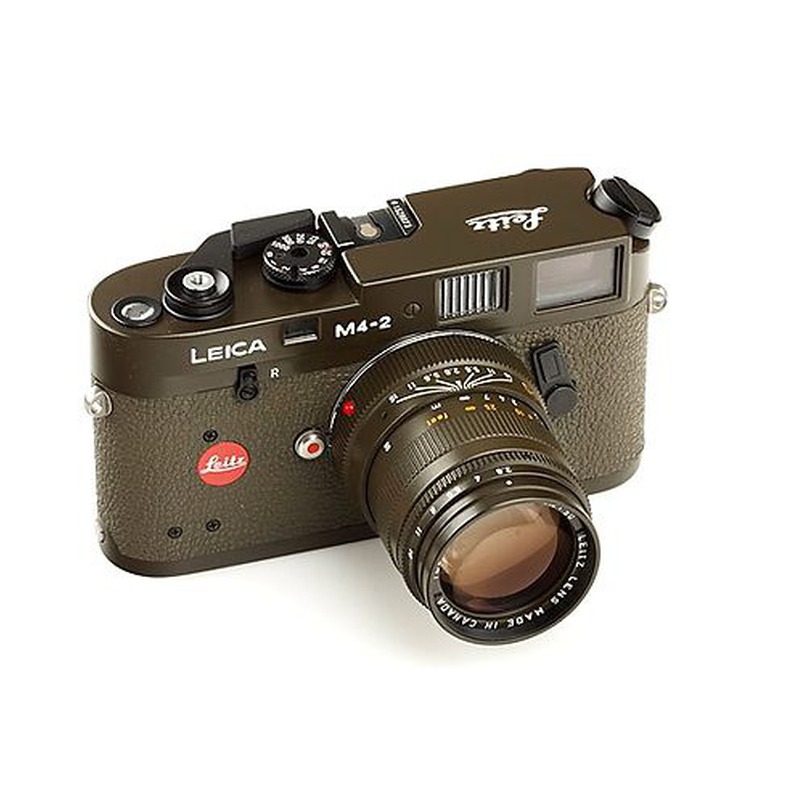
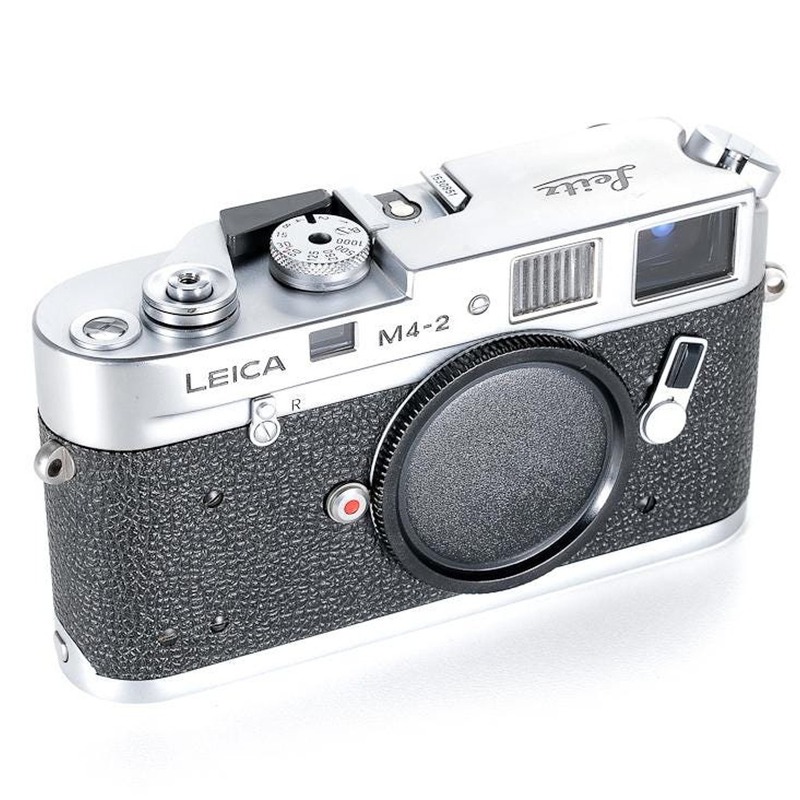
Leica M4-2 (pre-series)
Leica · Germany · 1977 · 135 film
Introduced in 1977 as Leica's first M-series rangefinder camera after a brief hiatus, the M4-2 represented a critical transition period for the legendary German manufacturer. This pre-series version was essentially a modernized M4 with updated features including improved flash synchronization and the popular quick-load system. Leica had faced financial difficulties in the early 1970s and had discontinued the original M4 in 1971, making the M4-2's release vital for the company's continued presence in the professional photography market. The camera retained the core rangefinder experience that had made previous Leica M cameras beloved by photojournalists and documentarians, though with some cost-cutting measures that slightly compromised the build quality of earlier models. The M4-2's introduction helped maintain Leica's reputation while bridging the gap between the classic M4 and later more advanced models like the M6.
The M4-2 maintained compatibility with Leica's extensive line of M-mount lenses, allowing photographers to continue using glass from previous generations. Its return to production after Leica's corporate restructuring in 1974 under the management of Leica AG signaled the company's renewed commitment to the rangefinder format that had defined much of its history. While not as innovative as the revolutionary M3 that had set the standard for 35mm rangefinders nearly two decades earlier, the M4-2 was nonetheless an important camera in Leica's evolution. It represented a pragmatic response to market demands while preserving the essential qualities that made Leica cameras instruments of choice for documentary photographers, photojournalists, and artists who valued precision and discretion.
Specifications
| Film Format | 135 |
/main.jpg)
/main.jpg)
 Enjoy this museum? Support on Ko-fi