Pricing
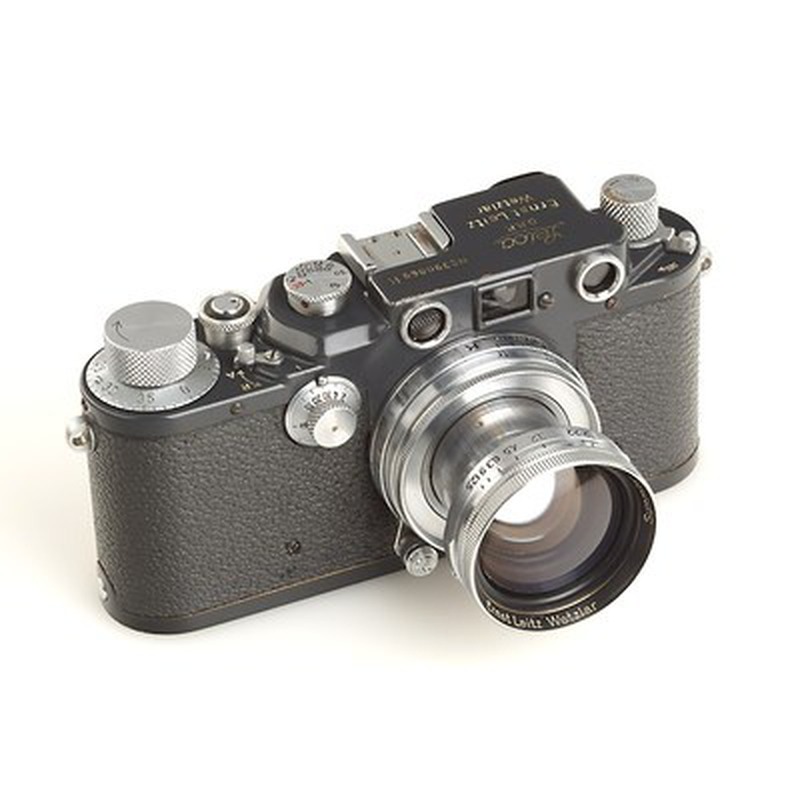
Leica IIIc K grey
Leica · Germany
The Leica IIIc K grey represents a pivotal model in the evolution of 35mm photography. Part of Leica's esteemed III series, it emerged in the late 1930s, continuing the tradition of compact, high-quality rangefinder cameras established by earlier models like the IIIa. Its design refined the concept, featuring a more robust die-cast body compared to earlier all-metal constructions, significantly improving durability while maintaining the sought-after portability that made Leicas the tools of choice for pioneering photojournalists and documentary photographers. The integrated viewfinder and rangefinder system, coupled with a reliable cloth focal-plane shutter offering speeds up to 1/500s, provided precision and control essential for capturing fleeting moments. This combination of build quality, engineering, and handling solidified the Leica III series as the benchmark for professional small-format cameras during a transformative era.
Historically significant, the Leica IIIc (and its variants) became synonymous with the "small camera revolution." Its compact size and high image quality enabled photographers like Henri Cartier-Bresson, Robert Capa, and countless others to work unobtrusively, defining the aesthetics of street photography and photojournalism in the mid-20th century. The "K" designation often refers to specific variations, like the post-war IIIcK with certain refinements, while "grey" simply denotes the paint finish. As a cornerstone of Leica's legacy, the IIIc embodies the brand's commitment to precision and portability, playing a crucial role in establishing 35mm film as a viable and respected format for serious creative and documentary work before the rise of the iconic M3.
/main.jpg)
/main.jpg)
/main.jpg)
 Enjoy this museum? Support on Ko-fi