/main.jpg)
Pricing
ICA Raupp-Camera (830)
ICA · Germany · 1910–1915 (5 years) · 135 film
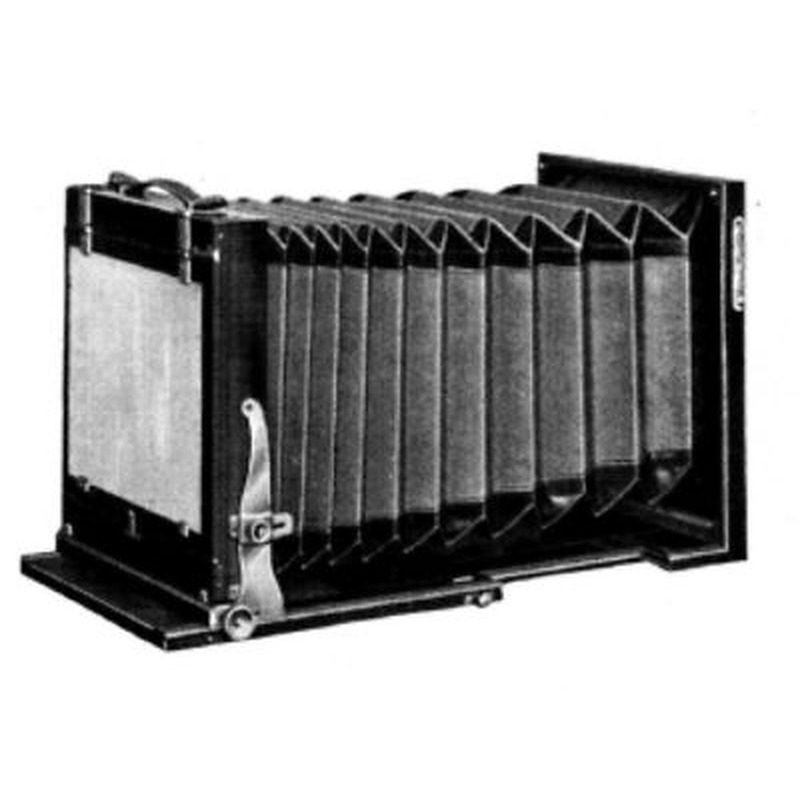
The Raupp-Camera (830) by ICA, manufactured between 1910 and 1915, represents a notable early example of the use of 135 film (later standardized as 35mm) in still photography cameras. Produced by the German camera conglomerate ICA under its Raupp brand, it emerged during a period when the potential of small-gauge film for portable cameras was being explored, predating the commercially successful Leica by nearly a decade. While specific details of its design are not widely documented, it likely featured a simple, functional body typical of cameras of that era, incorporating a lens and basic shutter controls suitable for amateur use. Its significance lies in its timing and format, contributing to the experimental groundwork that would later make 35mm the dominant film format for photography.
This camera's context places it alongside other pioneering 35mm devices like the early Leica prototypes, though it lacked the same enduring impact or widespread adoption. It served as one of the practical implementations demonstrating the viability of small-format photography using movie film, catering to photographers seeking more portable alternatives to larger plate or roll-film cameras. Its production run by a major manufacturer like ICA underscores the industry's serious interest in developing this new format category, even if the Raupp-Camera itself did not achieve iconic status or major technical breakthroughs beyond its foundational format choice.
Specifications
| Film Format | 135 |
/main.jpg)
/main.jpg)
/main.jpg)
/main.jpg)
 Enjoy this museum? Support on Ko-fi