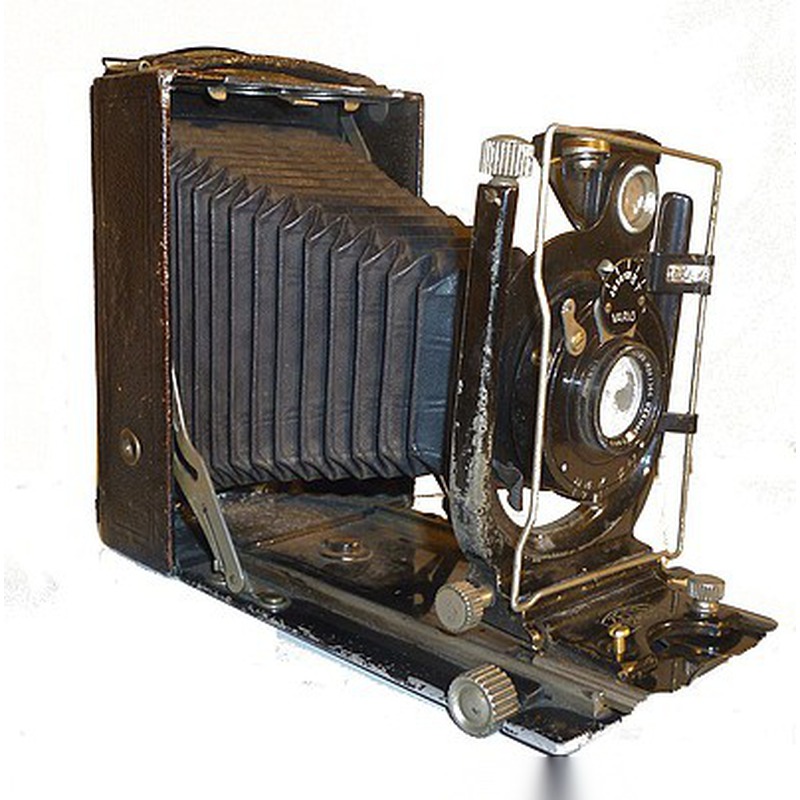
Zeiss Tessco No.76/1
Zeiss · Germany · 1927 · 135 film
The Tessco No.76/1 represents Zeiss's early entry into the emerging 35mm camera market, introduced in 1927 shortly after Leica pioneered the format. As a product from one of Germany's most respected optical manufacturers, this camera would have incorporated Zeiss's renowned lens quality into a compact design typical of the early miniature cameras of the era. While specific technical details remain unavailable, the construction would have followed contemporary standards with a metal body likely covered in leatherette for protection and grip, featuring basic viewfinder and rangefinder systems appropriate for the period. The 135 format designation confirms it used the standard 35mm film that would eventually become dominant in photography, though in 1927 this was still an experimental format for most professional work.
Historically, the Tessco No.76/1 occupies an interesting position as Zeiss's response to the revolutionary Leica system, representing the optical giant's attempt to establish itself in the small-format camera market. Its introduction came during a formative period when manufacturers were still determining the conventions of 35mm photography, including film transport methods, viewfinder arrangements, and exposure control systems. While not achieving the legendary status of some contemporaries, the camera likely appealed to photographers who valued Zeiss's optical excellence but wanted an alternative to the emerging Leica standard. This period of experimentation laid groundwork for future developments that would make 35mm photography accessible to serious amateurs and professionals alike.
Specifications
| Film Format | 135 |
/main.jpg)
/main.jpg)
/main.jpg)
/main.jpg)
 Enjoy this museum? Support on Ko-fi