Pricing
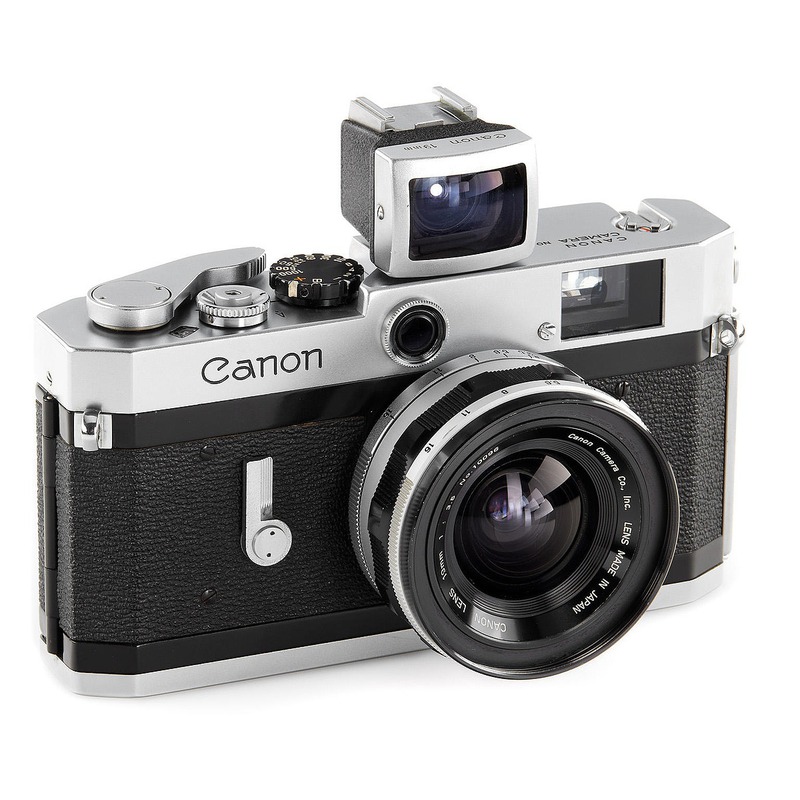
Canon P chrome
Canon · Japan
The Canon P chrome represents a significant step in Canon's post-war development as a serious manufacturer of 35mm cameras. Introduced in the late 1950s, it was Canon's first rangefinder model to feature a coupled rangefinder and a bayonet lens mount, moving away from the earlier screw-mount designs. This design shift positioned it as a more modern and practical alternative for photographers seeking quality without the premium price of European competitors like Leica. It shared a compact, all-metal construction characteristic of the era, featuring coupled rangefinder focusing and a horizontally traveling cloth focal-plane shutter with speeds from 1 to 1/500 second plus B. While technically competent, the P prioritized reliability and affordability over groundbreaking innovation, serving as a workhorse for both professionals and serious amateurs.
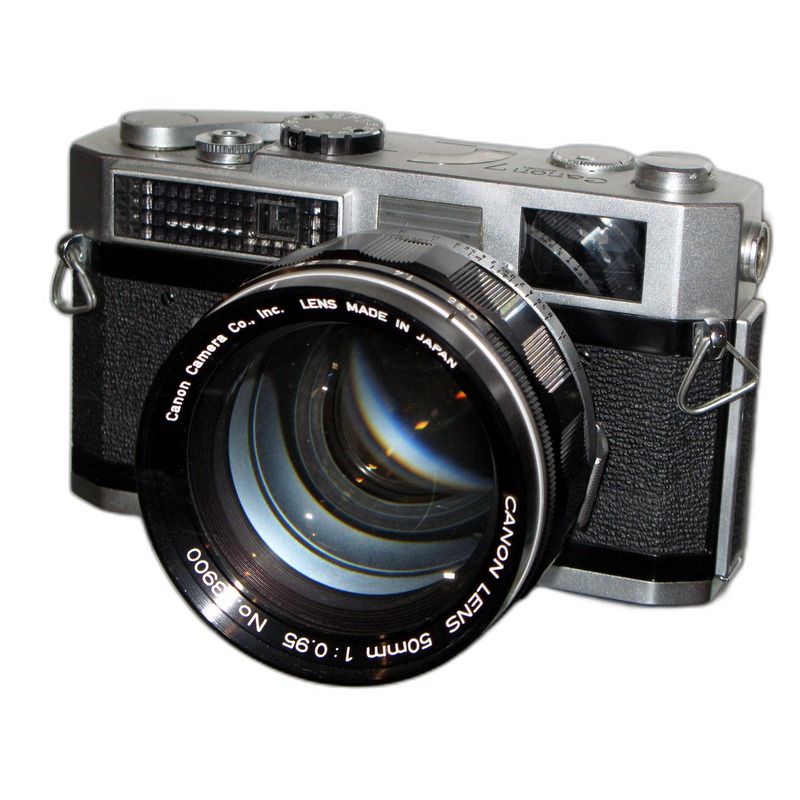
As Canon's first mass-market coupled rangefinder, it played a crucial role in establishing the brand's reputation for competent Japanese engineering in the 35mm market. Its development paved the way for more sophisticated models like the Canon 7, which incorporated selenium metering. The P's solid build, coupled with its relatively modest cost, made it a popular choice, particularly in Japan and emerging markets. It embodied the period's transition where Japanese manufacturers began offering viable alternatives to established European brands, focusing on functionality and accessible quality rather than cutting-edge features or prestigious branding. Its legacy lies in being a foundational model that helped Canon build the customer base and technical expertise that would later lead to dominant SLR designs.
 Enjoy this museum? Support on Ko-fi