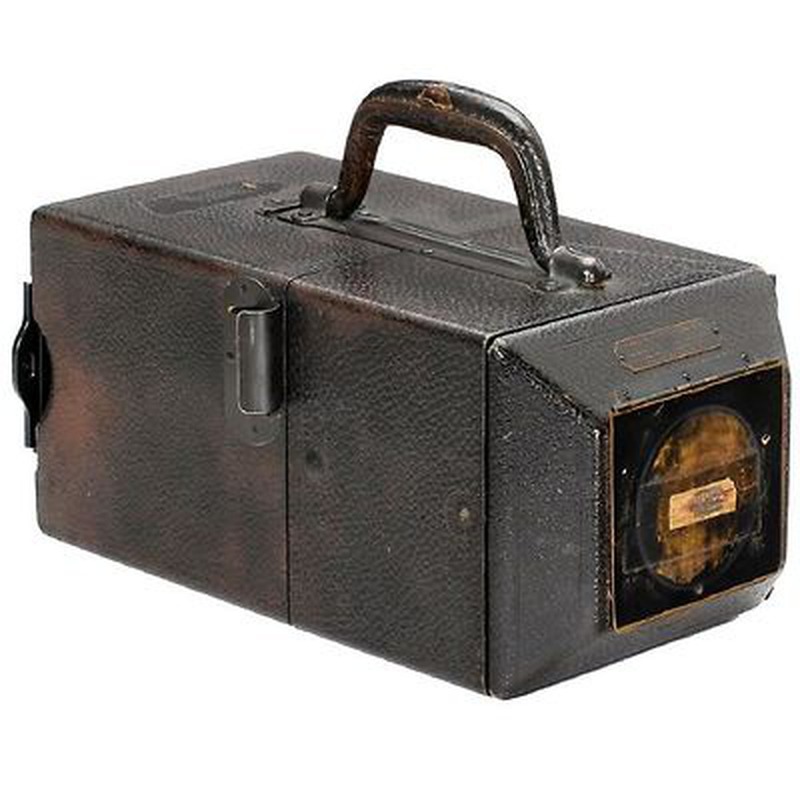
Kodak Fingerprint camera
Kodak · USA · 1917–1929 (12 years) · 135 film
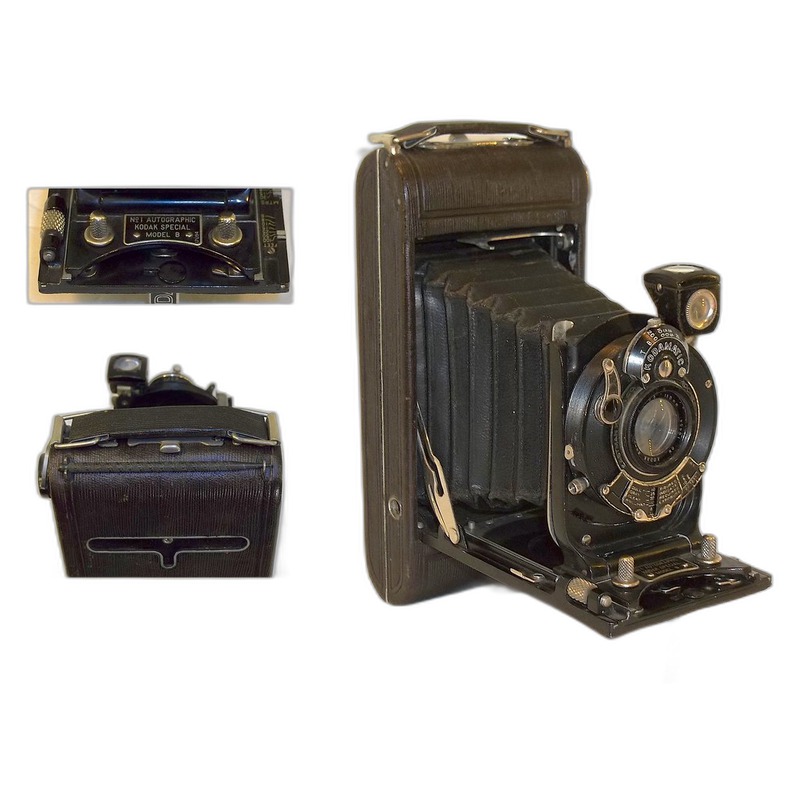
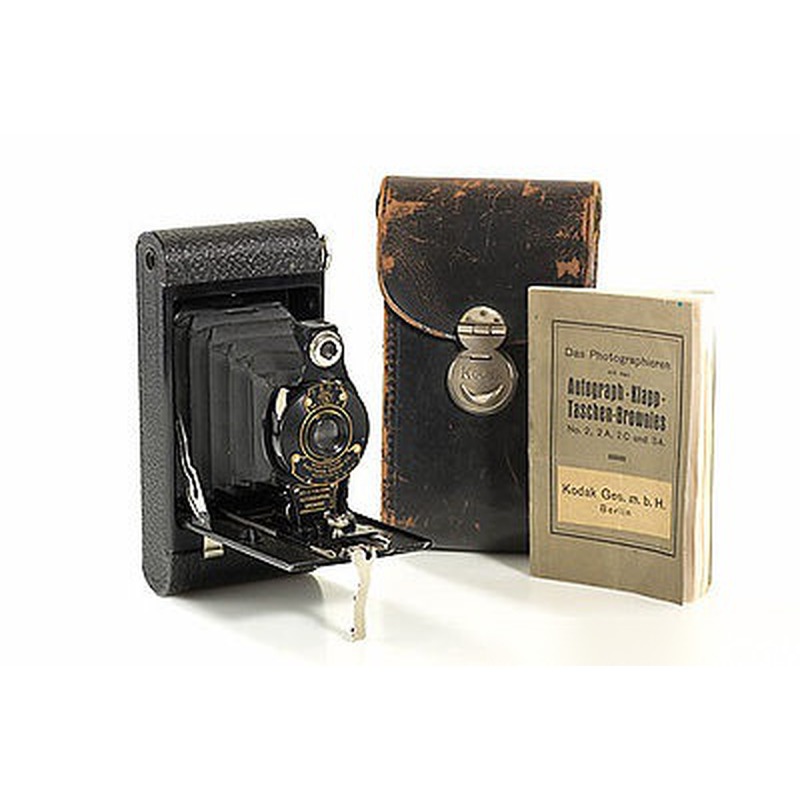
Produced for an impressive 12 years from 1917 to 1929, the Kodak Fingerprint camera represents the Eastman Kodak Company's significant, early, and sustained effort to introduce the 35mm format (135) to the mass consumer market. Emerging in the post-WWI era, this camera capitalized on the burgeoning popularity of small, portable photography and Kodak's dominance in film and consumer goods. Its long production run suggests it found a substantial niche among budget-conscious photographers seeking an entry point to smaller formats beyond Kodak's ubiquitous roll-film cameras. Designed as a simple, utilitarian box camera, the Fingerprint focused on accessibility and ease of use, featuring basic fixed-focus lenses and simplified controls typical of Kodak's early attempts at 35mm consumer cameras. It played a crucial, albeit less glamorous, role in the history of 35mm photography by helping to establish Kodak's presence in the format and familiarizing a broader audience with the concept of smaller film before the more sophisticated Leica revolutionized the segment in the late 1920s. Its name likely originates from the textured finish applied to its body, aiding grip and minimizing fingerprints on the black enamel covering.
Specifications
| Film Format | 135 |
/main.jpg)
 Enjoy this museum? Support on Ko-fi