Pricing
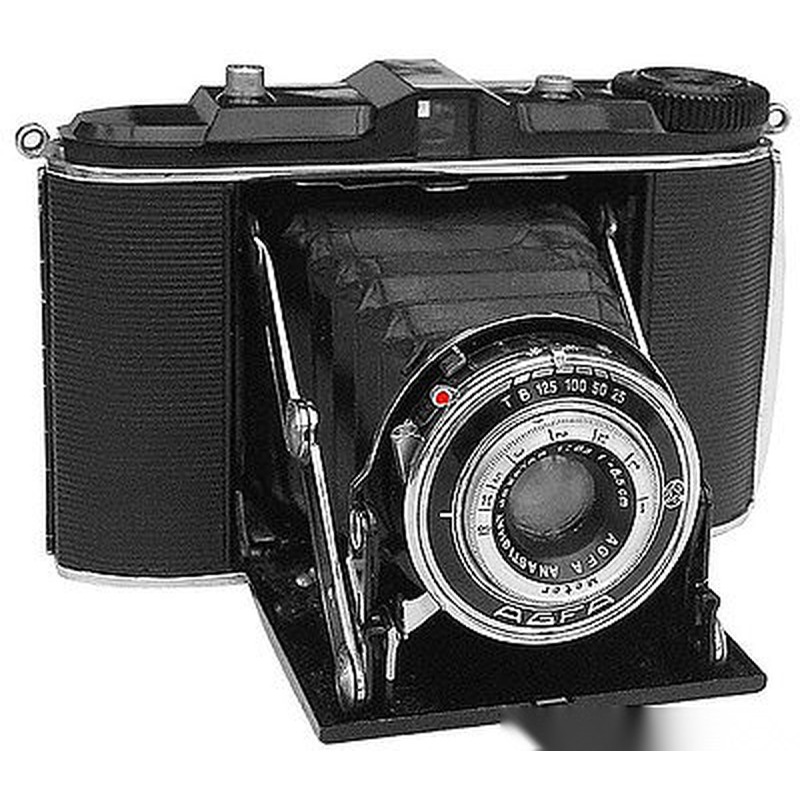
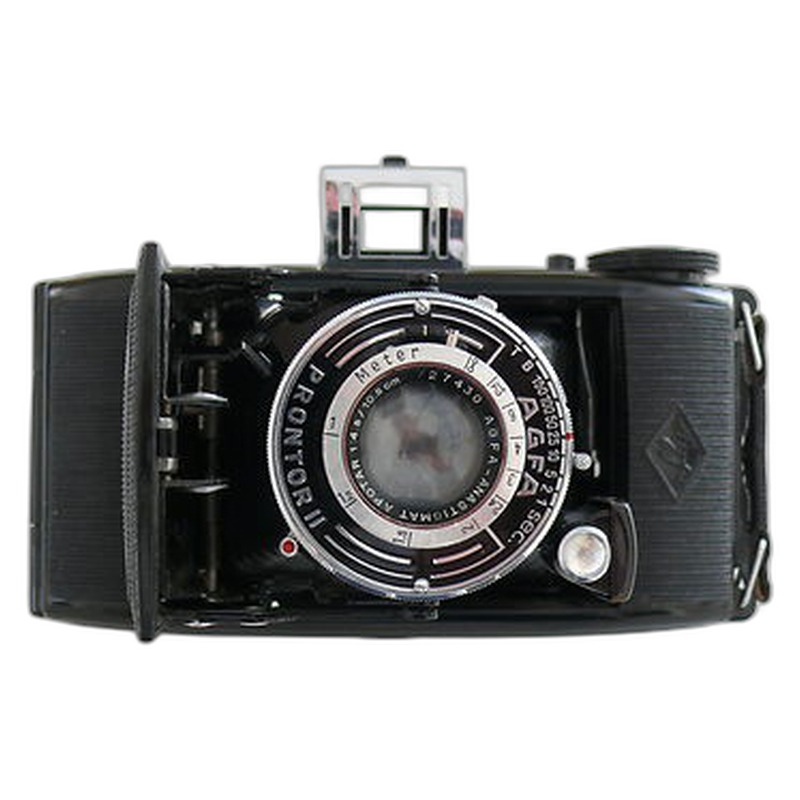
Agfa Isorette
Agfa · Germany · 1938 · 135 film
The Agfa Isorette, introduced in 1938, was a practical and compact 35mm camera designed for the amateur photographer. It represented Agfa's continued efforts to make 35mm photography accessible beyond professionals and enthusiasts. The camera featured a straightforward design, likely incorporating a simple leaf shutter and a fixed or limited-range lens system, prioritizing ease of use and affordability over cutting-edge features. Its construction was typical for mid-1930s consumer cameras, utilizing metal and bakelite materials for durability at its price point, though not approaching the robustness of premium brands. The Isorette was part of the wave of cameras that solidified 35mm film as a viable format for snapshot photography before the widespread adoption of the miniature camera era.
As a product of Agfa, a major German photographic manufacturer, the Isorette benefited from the company's engineering reputation and its established film market presence. It filled a specific niche between simpler box cameras and more complex rangefinder or viewfinder models, offering a step-up experience without the complexity. While not introducing revolutionary technology, the Isorette played a role in popularizing the 35mm format among general users by providing a reliable and user-friendly tool capturing the everyday life of the late 1930s. Its design reflected the practical, functional aesthetic common to European cameras of the period.
Specifications
| Film Format | 135 |
/main.jpg)
/main.jpg)
 Enjoy this museum? Support on Ko-fi