Pricing
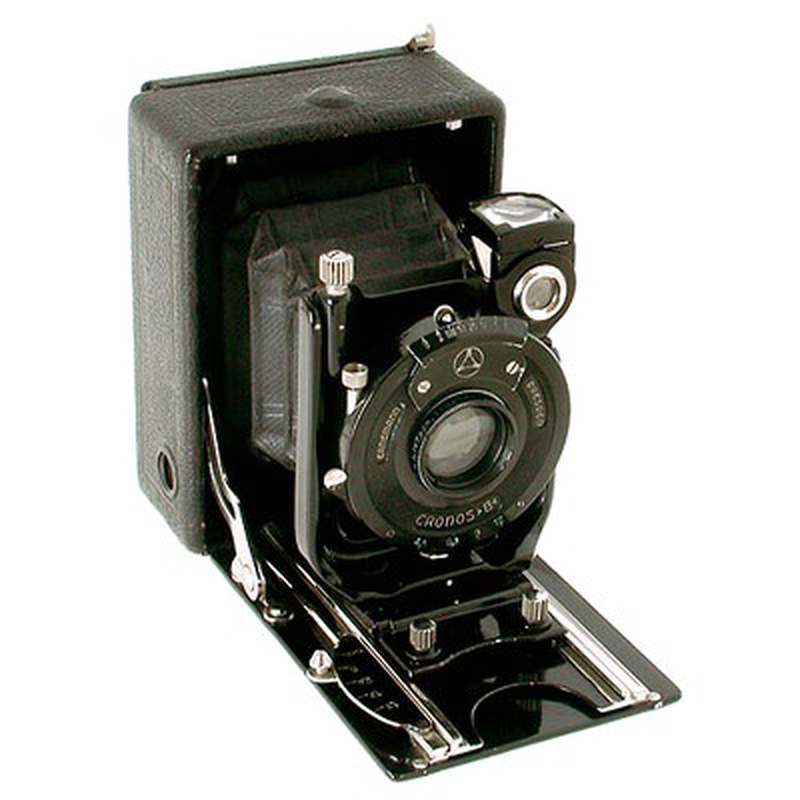
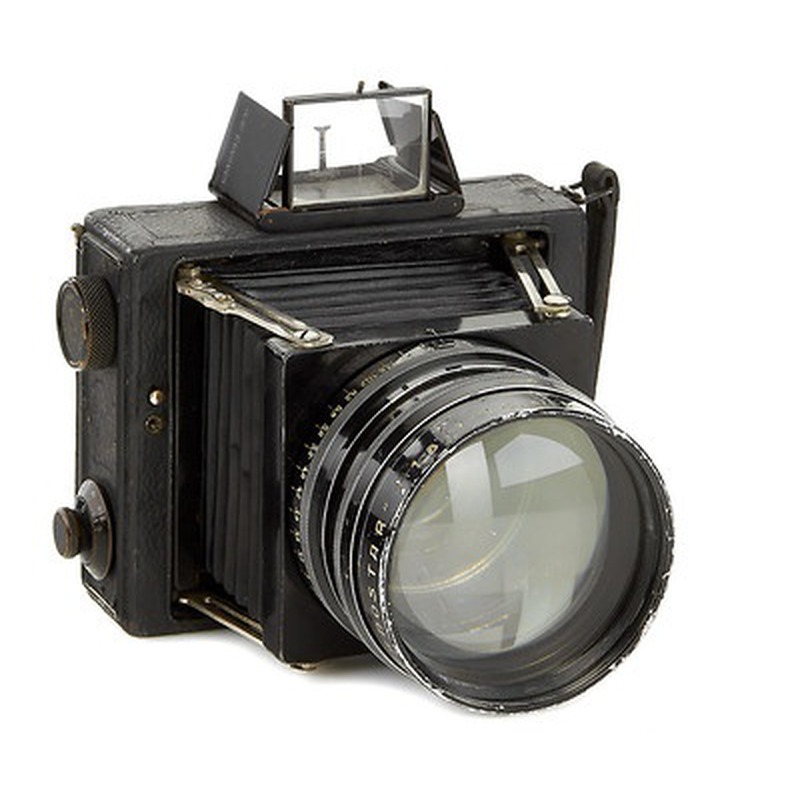
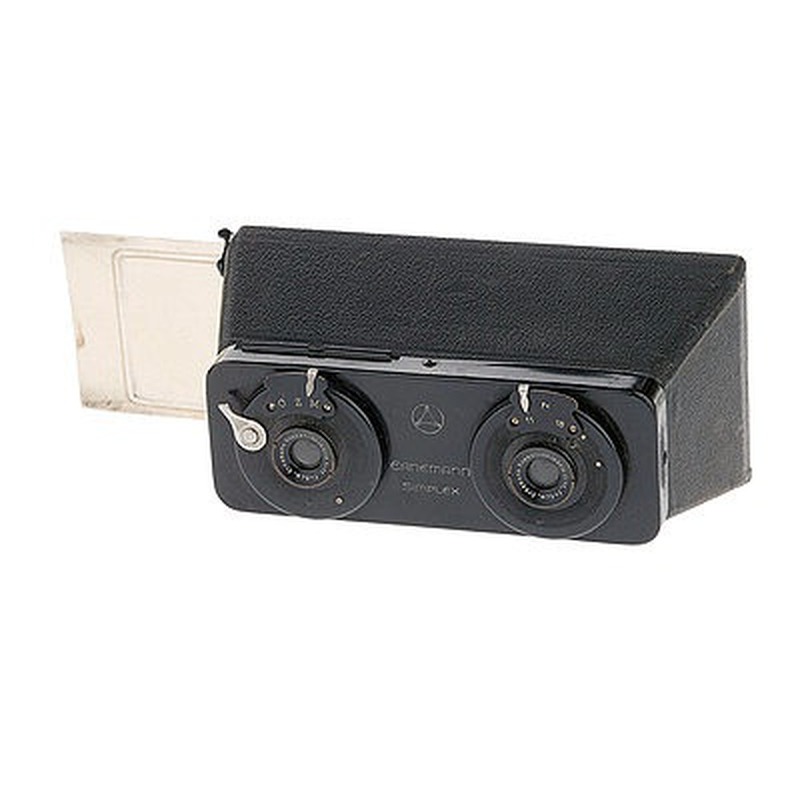
Ernemann HEAG V
Ernemann · Germany · 1922–1926 (4 years) · 135 film
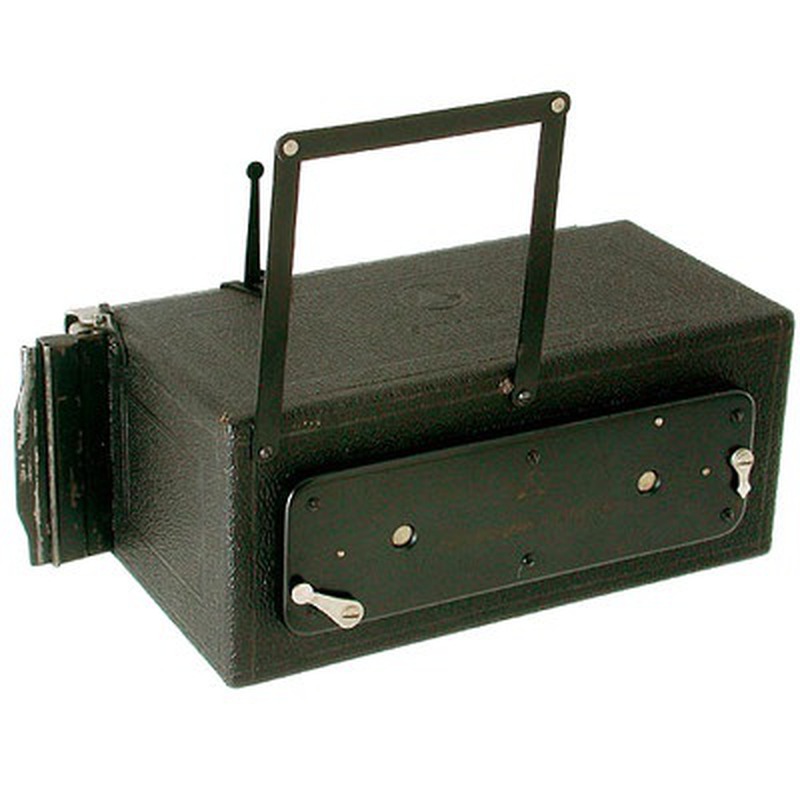
The HEAG V represents Ernemann's significant, albeit brief, entry into the burgeoning 35mm still camera market during the mid-1920s. Produced between 1922 and 1926, this camera utilized the newly adopted 35mm cinema film format, aiming to offer a compact and convenient alternative to larger plate and roll-film cameras of the era. Its design likely featured a simple, utilitarian body characteristic of early 35mm models, potentially employing a coupled rangefinder or a basic viewfinder for focusing, and a focal plane shutter common to this type of camera. The HEAG V stands as an important artifact from a transitional period in photography, demonstrating Ernemann's adaptation to the smaller format trend just before the company merged into Zeiss Ikon in 1926.
While not achieving the legendary status of contemporaneous or later innovations like the Leica, the HEAG V holds a notable place as a tangible example of German engineering participating in the critical development of 35mm photography. Its production coincided with the formation of the modern 35mm system, making it a historically relevant, though not revolutionary, piece of equipment. Few specifics survive regarding its exact model variants or performance characteristics, but its existence underscores the widespread experimentation and competition that defined the early days of miniature camera design before standards were firmly established.
Specifications
| Film Format | 135 |
/main.jpg)
 Enjoy this museum? Support on Ko-fi