Pricing
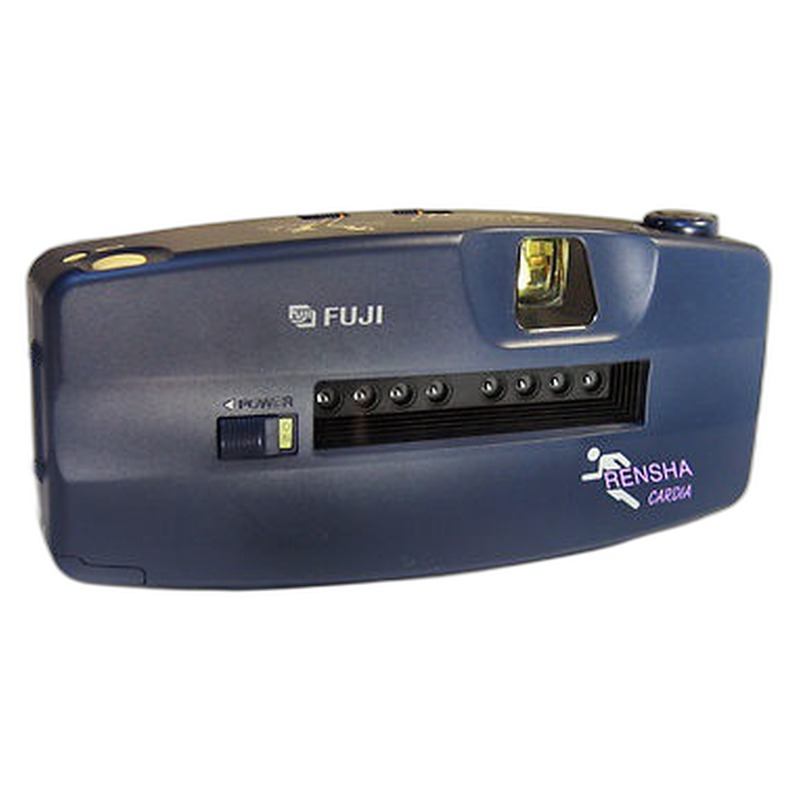
Fujifilm Rensha Cardia
Fujifilm · Japan · 1992 · 135 film
The Fujifilm Rensha Cardia is a 35mm compact camera introduced in 1992, positioned in the manufacturer's mid-range lineup. Its name "Rensha," meaning "motor drive" in Japanese, indicates it features motorized film transport and advance, a step up from basic manual compacts of the era. Designed for users seeking reliable autofocus and autoexposure functionality without bulk, it embodies Fujifilm's strategy of producing practical, accessible film cameras during the transition to digital. Key features likely include a decent fixed or zoom lens, built-in flash, and an ergonomic build typical of Fujifilm's consumer offerings of the period, prioritizing ease of use over advanced creative controls. It represents a solid, functional snapshot camera rather than a groundbreaking innovation.
Targeted at the mass market, the Rensha Cardia served as a reliable point-and-shoot option for everyday photography. Its design prioritized compactness and user-friendliness, making it suitable for casual photographers who valued convenience over manual adjustments. While not distinctive enough to gain a strong cult following, it performed the core functions of capturing 35mm film competently, reflecting Fujifilm's established reputation for manufacturing dependable photographic equipment during the late film era. It exists as a representative example of the numerous competent autofocus compact cameras dominating the market in the early 1990s before digital disruption took hold.
Specifications
| Film Format | 135 |
Pricing
Editorial Ratings
More from Fujifilm
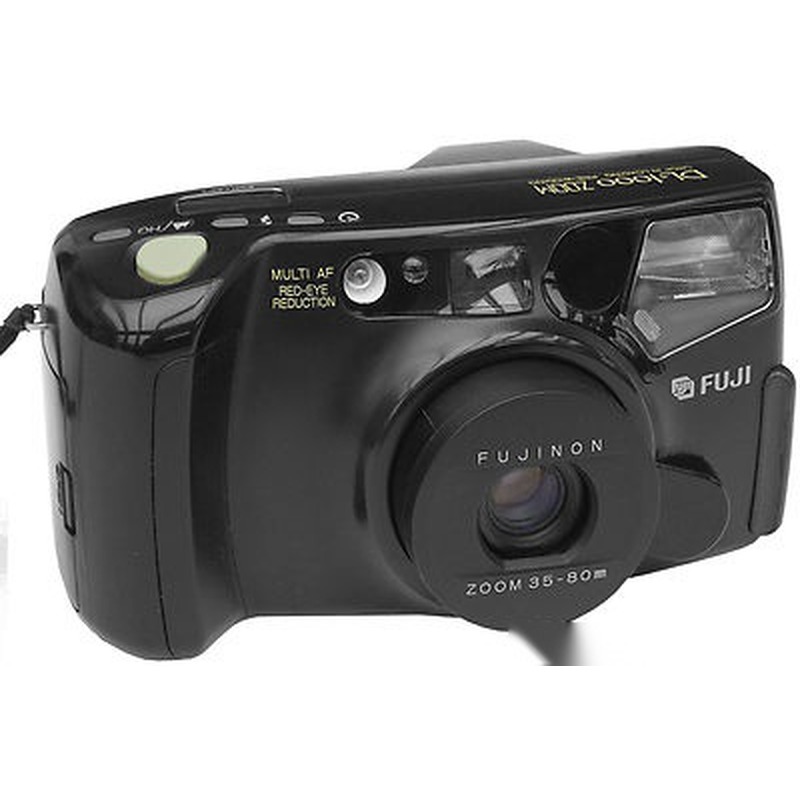
Fujifilm Fuji DL 1000 Zoom
1992
/main.jpg)
Fujifilm Fuji DL 180 Tele (Discovery 180 Tele / Tele Cardia 180)
1992
/main.jpg)
Fujifilm Fuji DL 190 Zoom (Discovery 190 Zoom / Discovery 185 Zoom / Promaster 190 / Zoom Cardia 200)
1992
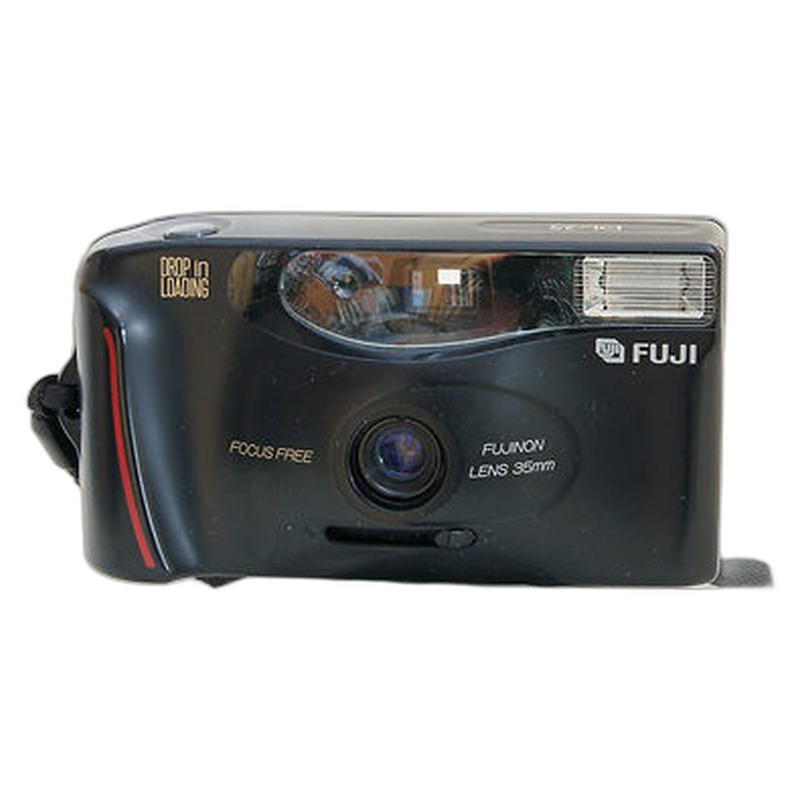
Fujifilm Fuji DL 25
1992
/main.jpg)
Fujifilm Fuji DL 510 P (Fuji Cardia mini Everyday OP)
1992
/main.jpg)
Fujifilm Fuji DL 8 (DL-7 Plus)
1992
 Enjoy this museum? Support on Ko-fi