Pricing
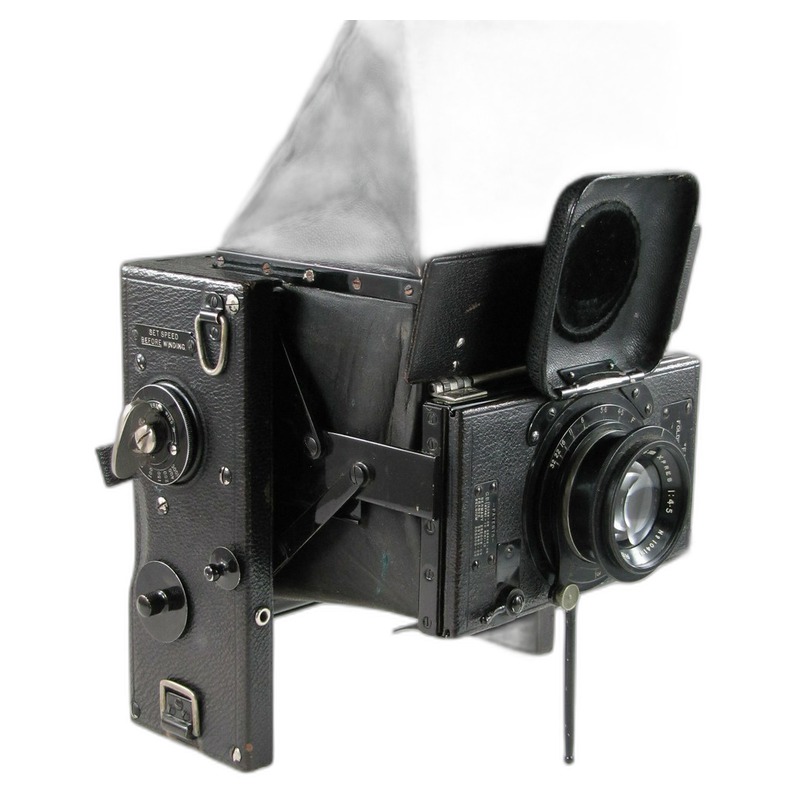
Houghton Ensign Model D
Houghton · UK · 1906–1909 (3 years) · 135 film
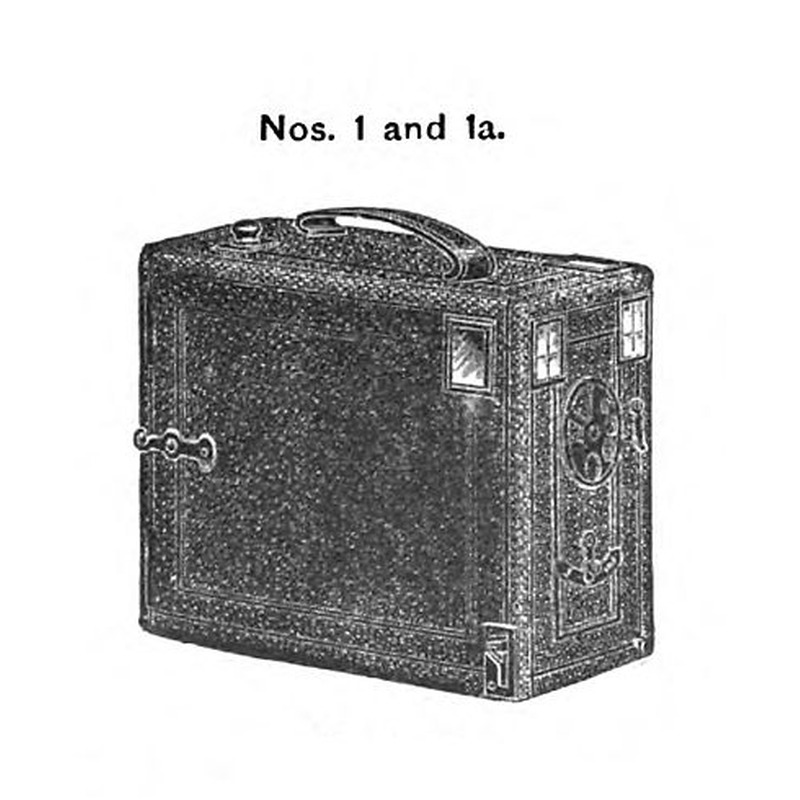
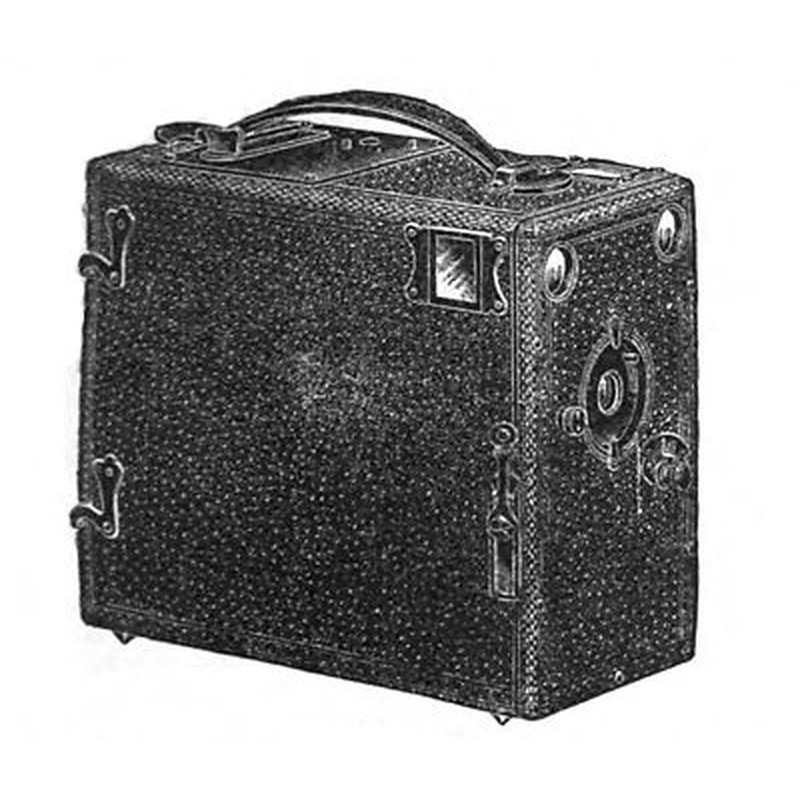
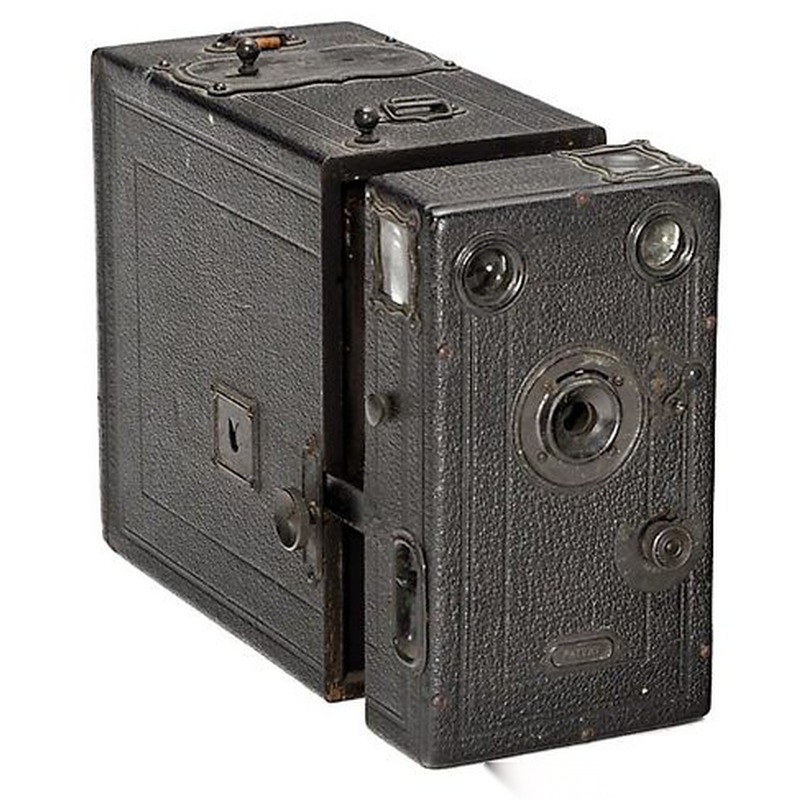
The Ensign Model D represents an early entry into the emerging 35mm format camera market, produced by British manufacturer Houghton from 1906 to 1909. As one of the earliest examples of a camera using 35mm movie film repurposed for still photography, it holds a place among the pioneers of this format that would later become the dominant standard. The camera itself was likely a simple, boxy design typical of the era, constructed with basic materials and offering minimal features, aimed at the amateur photographer seeking a compact and relatively affordable alternative to larger plate or roll-film cameras. Its significance lies primarily in its timing and format choice during a period of rapid evolution in photographic technology, rather than any specific technical innovation or iconic design.
While historically noteworthy as an early 35mm camera, the Model D was not a groundbreaking model and lacks documentation of famous users or widespread adoption compared to later, more sophisticated 35mm designs. Its production run was relatively short, and it existed alongside other early format experiments. Consequently, it serves as an important artifact illustrating the exploratory phase of 35mm photography before cameras like the Leica established the format's potential. Its basic character and limited market presence mean it is more a document of early experimentation than a landmark camera.
Specifications
| Film Format | 135 |
/main.jpg)
 Enjoy this museum? Support on Ko-fi