Pricing
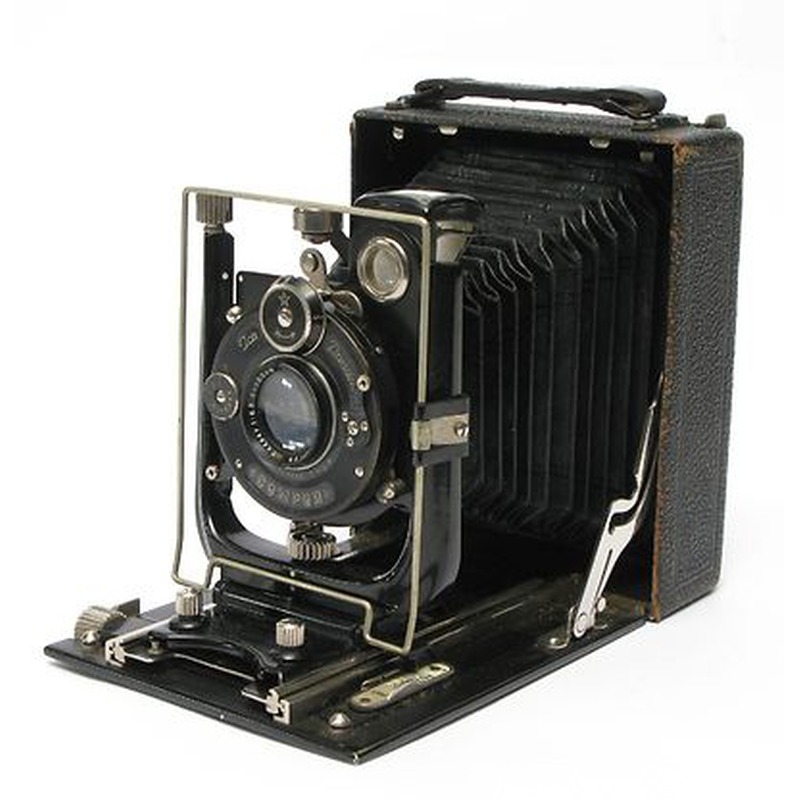
ICA Trona
ICA · Germany · 1912–1926 (14 years) · 135 film
Produced by the German camera manufacturer ICA between 1912 and 1926, the Trona represents an early stage in the adoption of the 35mm format for still photography. As one of the significant companies absorbed into Zeiss-Ikon in 1926, ICA was a key player during this formative period. The Trona, likely a mid-range or entry-level folding camera, utilized the 135 film cartridge, a format then in its infancy and primarily associated with cinematography before being adapted for still cameras like the Leica. Its design probably featured the practical folding bellows common for roll-film cameras adapted to 35mm, prioritizing portability and accessibility alongside the nascent format's advantages of compactness and relatively economical film costs. While not a groundbreaking innovator on the scale of later 35mm leaders, the Trona exemplifies the crucial engineering efforts by established manufacturers to make the fledgling 35mm format viable for amateur photographers before the era of truly miniature cameras arrived.
As a product of its time, the Trona likely offered reliable, functional construction typical of German-made cameras of that era. It served to familiarize the market with 35mm roll film, bridging the gap between larger plate/folder formats and the subsequent miniature camera revolution. Its production run spanning fourteen years indicates a stable, if perhaps not spectacularly popular, model within ICA's lineup. The Trona thus holds a place as a representative artifact of the transitional phase in photography, documenting the practical challenges and steady progress in miniaturization during the early 20th century.
Specifications
| Film Format | 135 |
/main.jpg)
/main.jpg)
/main.jpg)
/main.jpg)
/main.jpg)
/main.jpg)
 Enjoy this museum? Support on Ko-fi