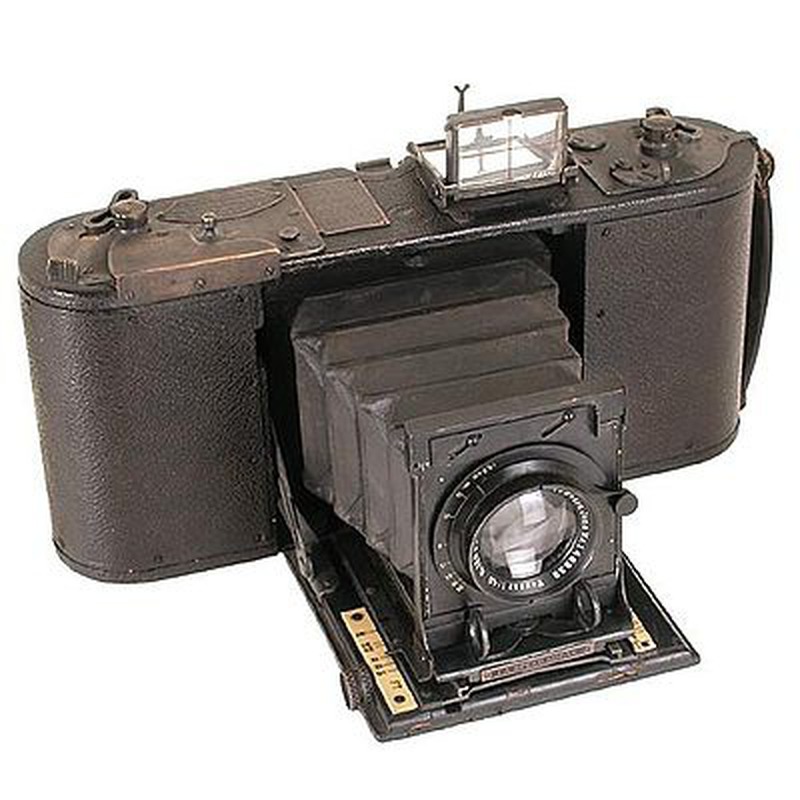
Kodak No.1A Speed
Kodak · USA · 1909–1913 (4 years) · 135 film
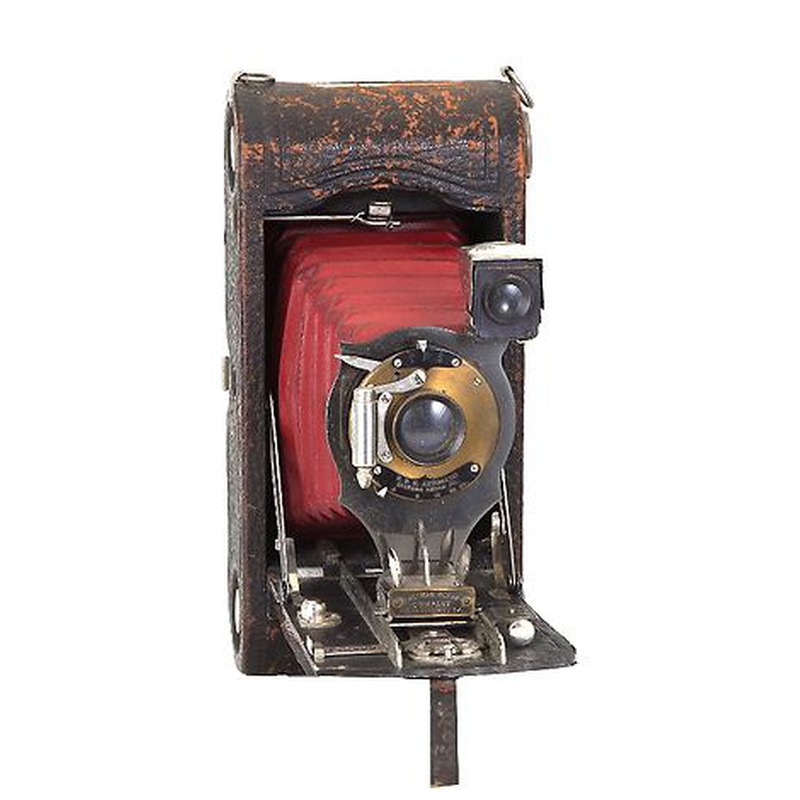
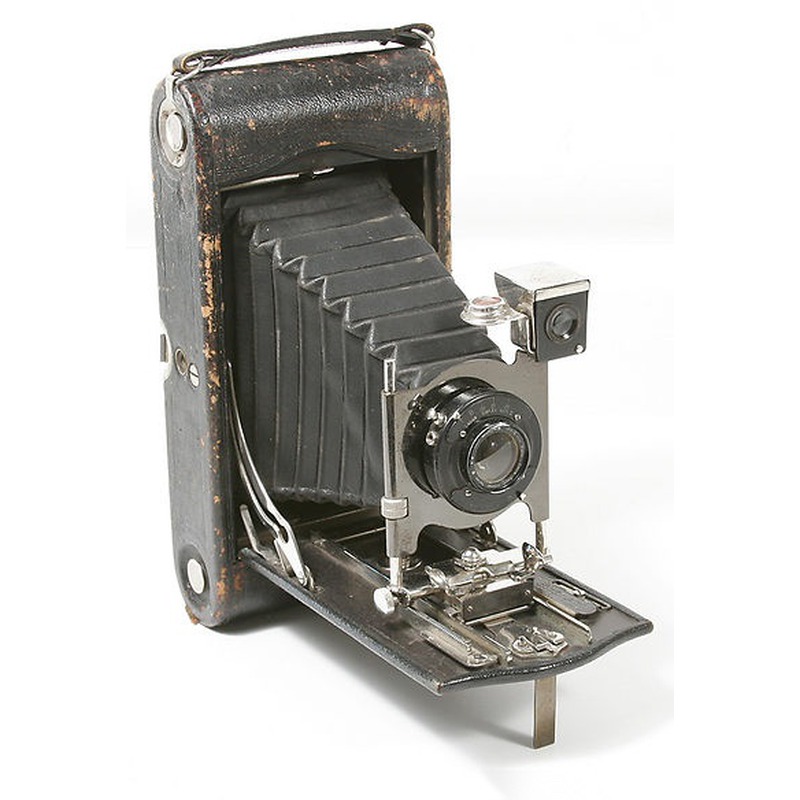
The Kodak No.1A Speed, manufactured from 1909 to 1913, represents Kodak's early entry into the 35mm film format landscape. As a folding camera, it was designed to be relatively portable for the era, utilizing a rigid body that collapsed into a compact shape. While the specification notes a 135 format, this is historically inconsistent as 35mm film (135) wasn't standardized as still photography film until Leica's introduction in 1925; it's possible the No.1A Speed used a different roll film format or the designation is erroneous. Designed for the snapshot market, it featured a simple, boxy design typical of Kodak consumer cameras of the period, likely equipped with a basic meniscus lens and a simple shutter, prioritizing ease of use and affordability over advanced features. It filled a niche for amateur photographers seeking a more portable alternative to bulkier view cameras and Kodak's earlier box cameras.
Despite its innovative folding structure for the time, the No.1A Speed was a utilitarian tool rather than a groundbreaking instrument. It exemplified Kodak's strategy of democratizing photography by producing increasingly accessible cameras, contributing to the growth of the amateur snapshot market in the early 20th century. Its historical significance lies more within Kodak's broad product lineage and its role in popularizing portable photography than in any singular technical innovation that reshaped the industry. It was a functional, everyday camera designed for capturing family moments, rather than a landmark model adopted by professionals or famous photographers.
Specifications
| Film Format | 135 |
 Enjoy this museum? Support on Ko-fi