Pricing
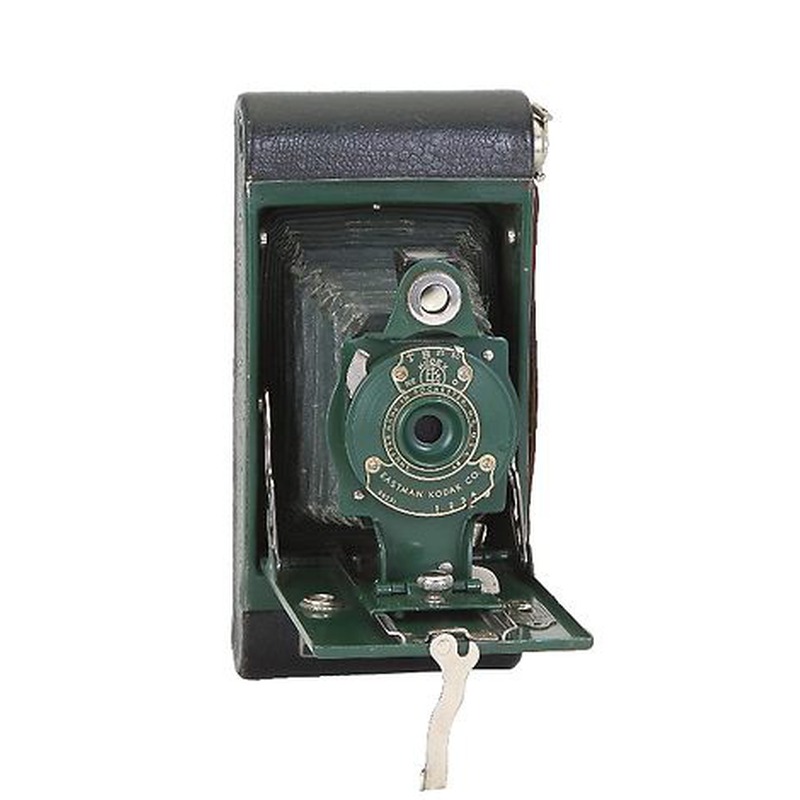
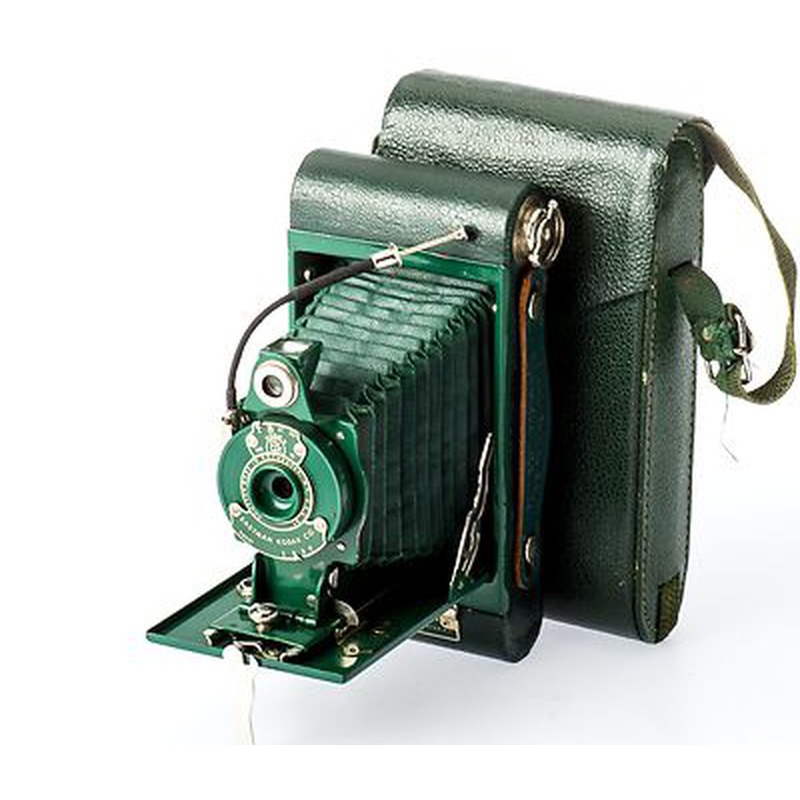
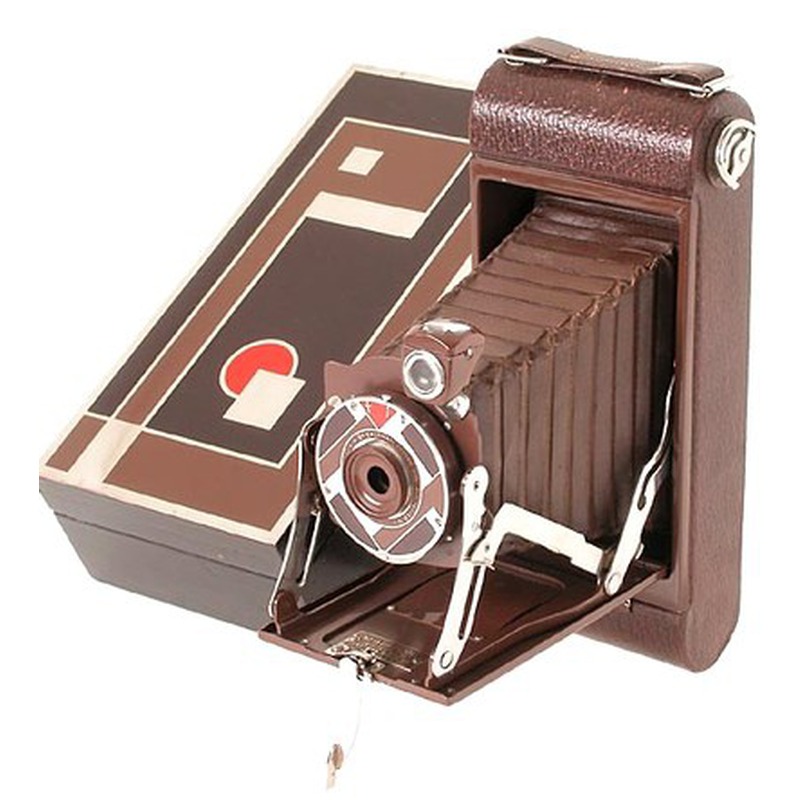
Kodak Folding Rainbow Hawk-Eye No.2
Kodak · USA · 1930–1934 (4 years) · 135 film
Produced by Kodak between 1930 and 1934, the Folding Rainbow Hawk-Eye No.2 represents a practical and compact solution for amateur photographers embracing the nascent 135 (35mm) film format. As a folding camera, it features a distinctive design where the lens board collapses into the body, making it relatively portable for its time. Equipped with a simple meniscus lens and a rotary shutter with limited speeds, it prioritized affordability and ease of use over sophisticated image quality or exposure control. Its introduction coincided with Kodak's effort to popularize 135 film beyond specialized Leica-type cameras, offering a more accessible entry point into small-format photography. While technically basic, its folding construction made it a convenient carry-along snapshot camera for the everyday user, representing Kodak's strategy to broaden the market for miniature film.
The camera utilized 135 film cassettes, aligning it with the emerging standard for 35mm photography, though its lens and shutter systems were fundamentally different from the precision instruments used in high-end rangefinders of the same era. Its significance lies more in being a widespread, affordable example of Kodak's response to the small film format trend rather than in introducing groundbreaking technology. Constructed primarily from pressed metal and leatherette, it exemplified the functional, no-frills approach common in Kodak's consumer folding models of the early 1930s, designed for casual snapshots rather than serious artistic or technical pursuits.
Specifications
| Film Format | 135 |
/main.jpg)
 Enjoy this museum? Support on Ko-fi