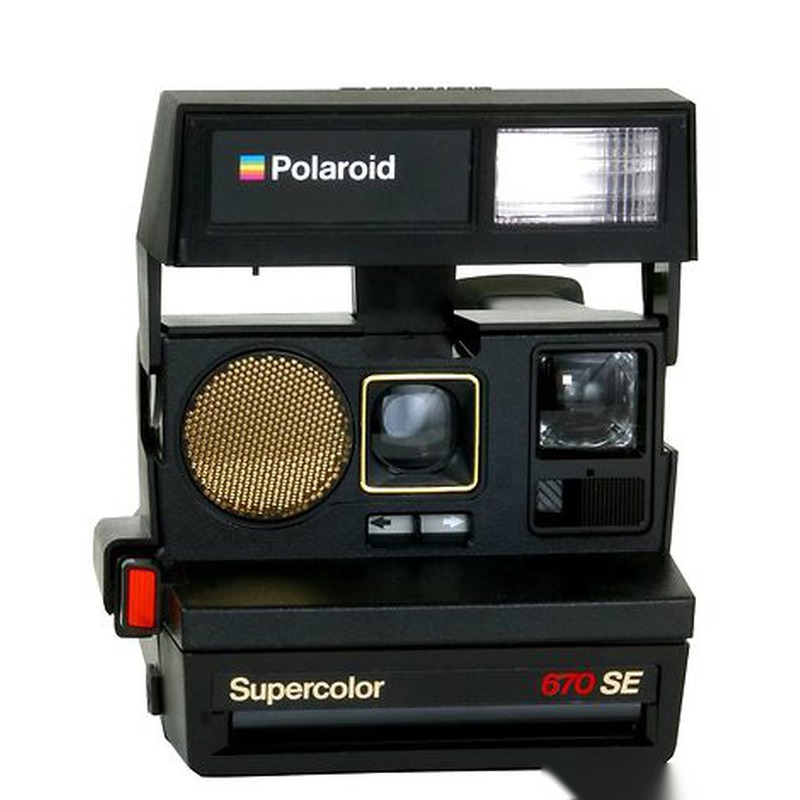
Polaroid Supercolor 670 SE
Polaroid · USA
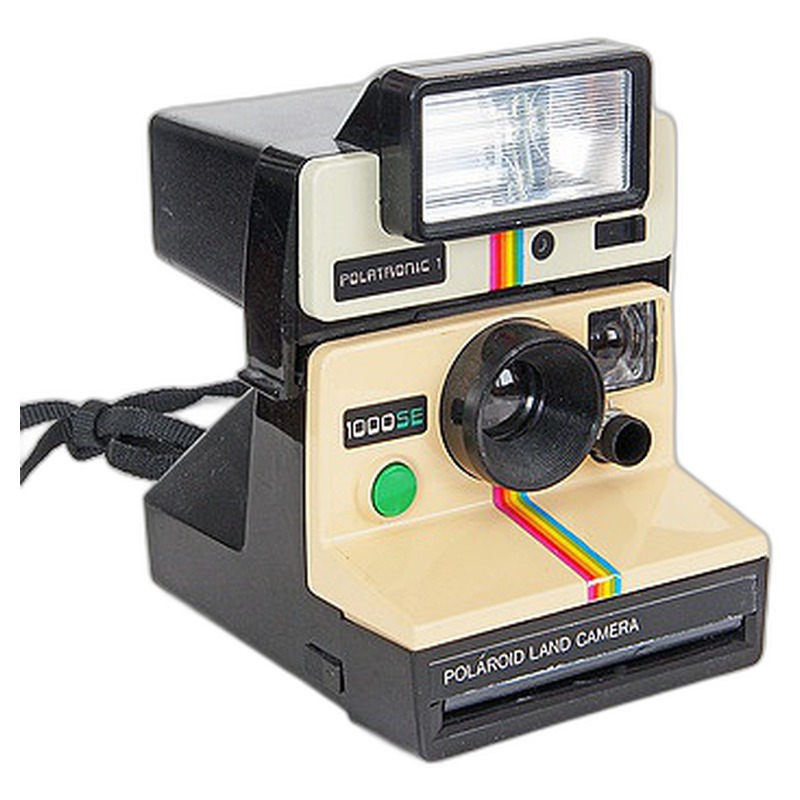
The Supercolor 670 SE represents a significant step in Polaroid's packfilm camera evolution, moving beyond basic instant photography towards more sophisticated user control. It belongs to the mid-range "Supercolor" line, distinguished primarily by its fully automatic exposure system with manual override capabilities – a notable feature in consumer instant cameras of its era. This camera utilized Polaroid's popular packfilm (type 100 or 600 series), producing peel-apart prints that were larger than the earlier integral film types but smaller than the professional 20x24 system. Designed for ease of use, it typically incorporated features like a built-in electronic flash and a simple, functional viewfinder aimed squarely at the amateur or snapshot market. While lacking the groundbreaking nature of the SX-70, the Supercolor series, including the 670 SE, offered improved image quality and reliability over earlier packfilm models, making it a workhorse for instant photography in the decades before Polaroid's integral films dominated the consumer space. Its design followed Polaroid's established plastic-bodied, ergonomic form language, prioritizing portability and accessibility over premium materials.
Build Quality: The Supercolor 670 SE was constructed primarily from molded plastic, common for consumer-grade Polaroids of this period. While functional and reasonably robust for its intended use, it lacked the solid, premium feel of higher-end Polaroid models. Key components like the film mechanism and lens were designed for reliability within a consumer price point but were not built to withstand heavy professional use. Durability was adequate for typical snapshot photography but susceptible to wear and tear over time. Value: At launch, it represented good value within its market segment, offering advanced features like automatic exposure with manual override at a competitive price point for an instant camera. Today, on the secondary market, it offers significant value as an accessible entry point into using packfilm for instant photography. Functional units are generally affordable, making it an excellent choice for users seeking to experience the aesthetic of larger peel-apart Polaroids without the high cost of more collectible models. Collectibility: While not a top-tier collector's item, the Supercolor 670 SE holds modest collectibility due to its role in Polaroid history and its functional utility for packfilm users. It is sought after by enthusiasts who prefer the manual override features and the specific aesthetic of the larger prints compared to 600-type cameras. Collectibility is driven more by usability than rarity or historical celebrity status. Historical Significance: Its significance lies within Polaroid's product development, representing the maturation of packfilm camera technology with integrated automation and user controls. It played a role in sustaining the packfilm format during the shift towards integral films for the consumer market, bridging the gap between early manual packfilm cameras and later automated models. It was an important product in the broader ecosystem of instant photography history, though not transformative like the SX-70 or Land Camera Model 95.
/main.jpg)
/main.jpg)
 Enjoy this museum? Support on Ko-fi