/main.jpg)
Pricing
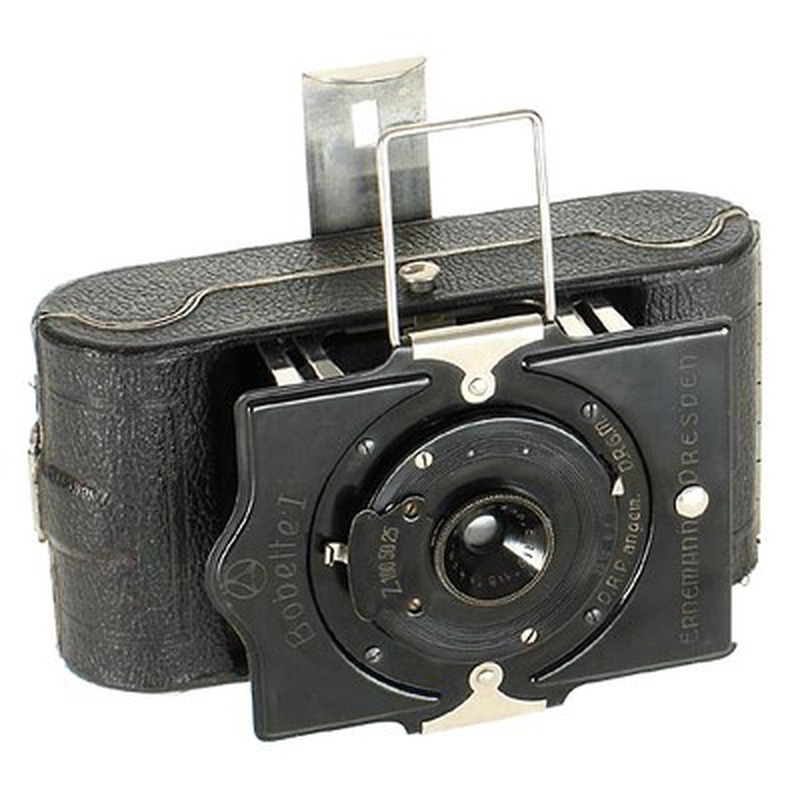
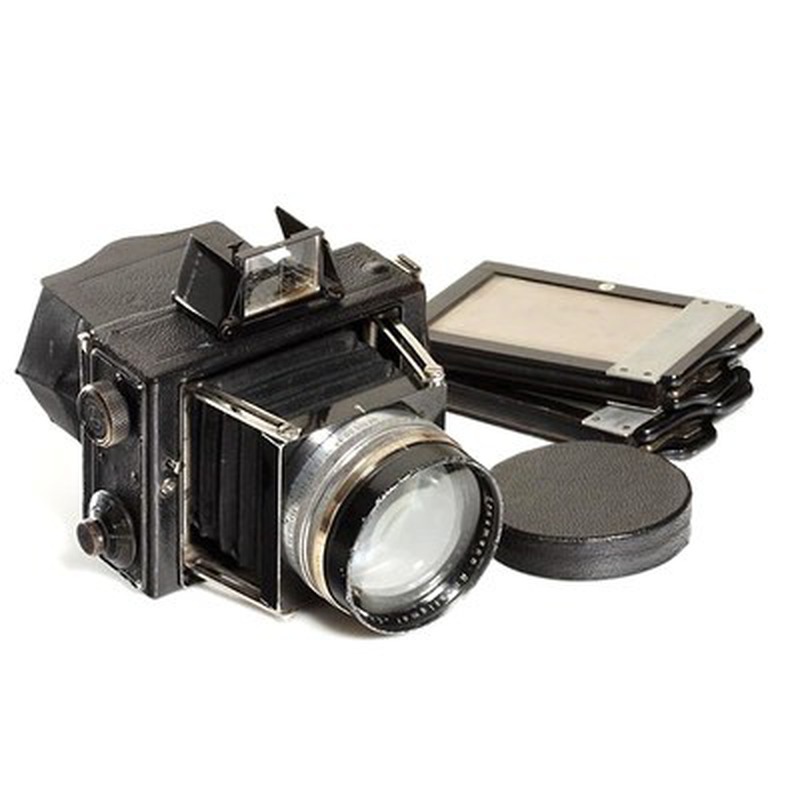
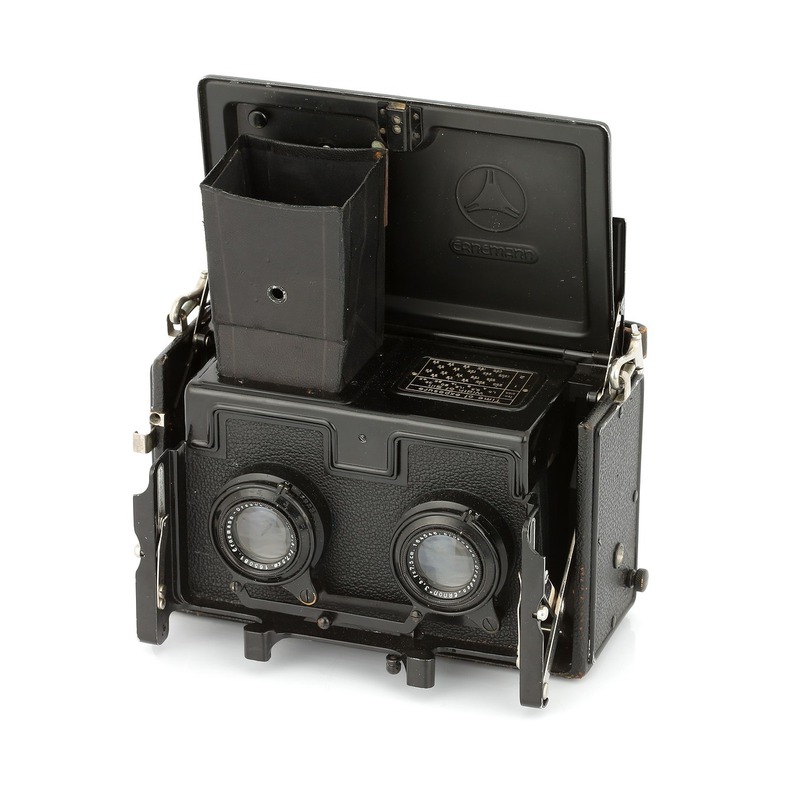
Ernemann Simplex Ernoflex (4.5x6)
Ernemann · Germany · 1925–1926 (1 years) · 135 film
The Simplex Ernoflex (4.5x6) represents Ernemann's brief foray into the emerging 35mm format during 1925-1926, a period immediately following the introduction of the groundbreaking Leica I. It utilized a unique 4.5x6cm format on standard 35mm film, offering a larger negative than the more common 24x36mm Leica format of the time. Constructed simply from metal, the camera featured a basic leaf shutter and a collapsible or rigid body typical of mid-range roll film adapted to 35mm. While sharing the nascent 35mm platform with Leica, the Ernoflex prioritized affordability and accessibility for amateur photographers, marking Ernemann's contribution to the democratization of small-format photography before the company's consolidation into Zeiss Ikon.
Part of a transitional generation between roll film and miniature cameras, the Simplex Ernoflex holds a specific niche significance. Its production was short-lived, reflecting the volatile early market for 35mm equipment. As one of the earliest non-Leica 35mm cameras, it underscores the format's rapid evolution and diverse interpretations in the 1920s, offering historians insight into the competitive landscape that led to the eventual dominance of the 24x36mm standard. Its practical design and reasonable price point aimed to capture the growing enthusiast market exploring the convenience and quality potential of small-format film.
Specifications
| Film Format | 135 |
/main.jpg)
/main.jpg)
/main.jpg)
 Enjoy this museum? Support on Ko-fi