Pricing
Kodak Premoette
Kodak · USA · 1905–1908 (3 years) · 135 film
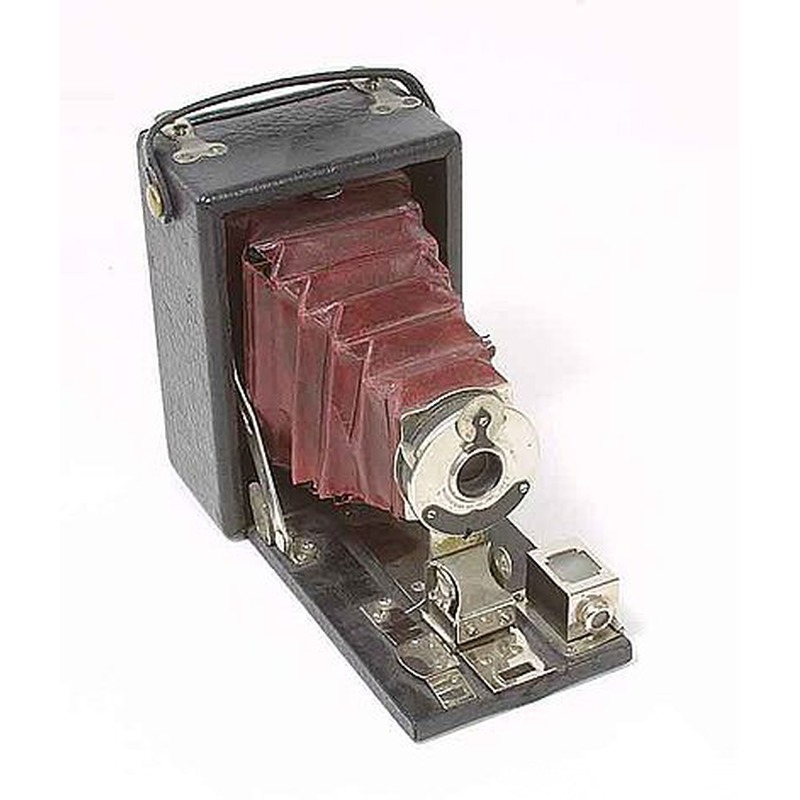
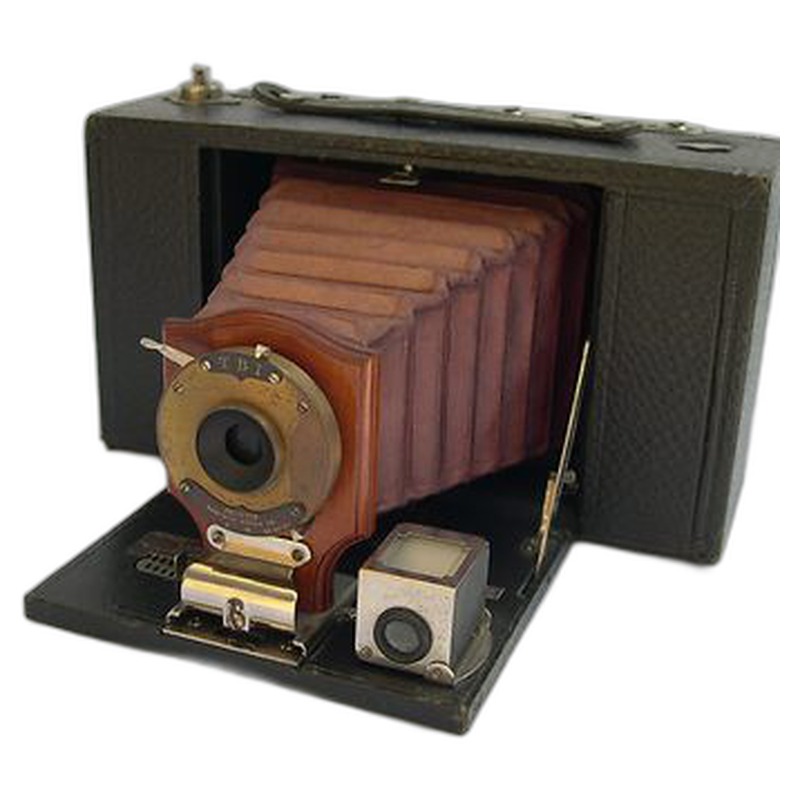
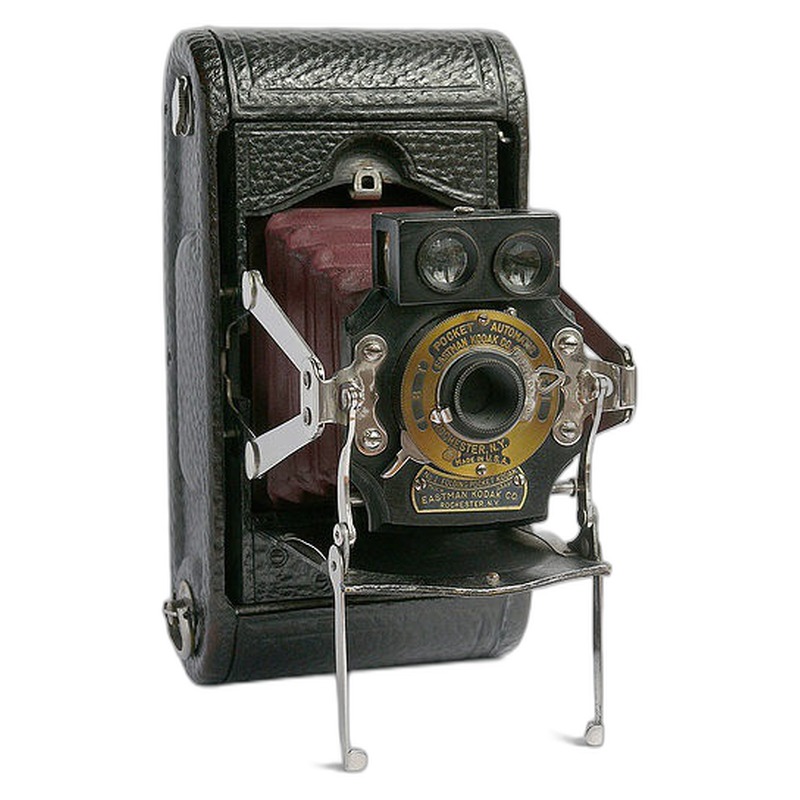
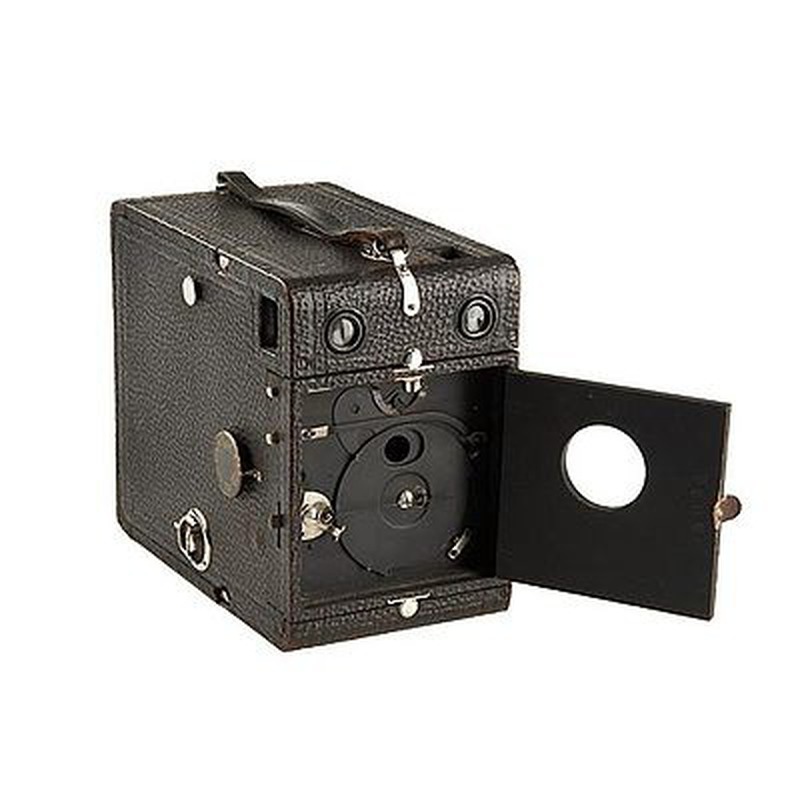
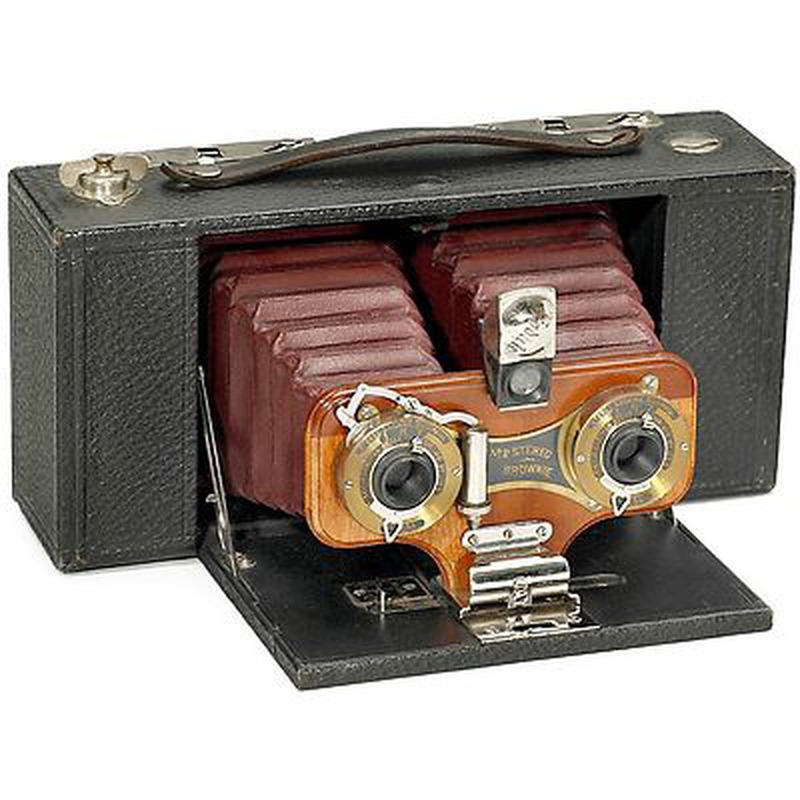
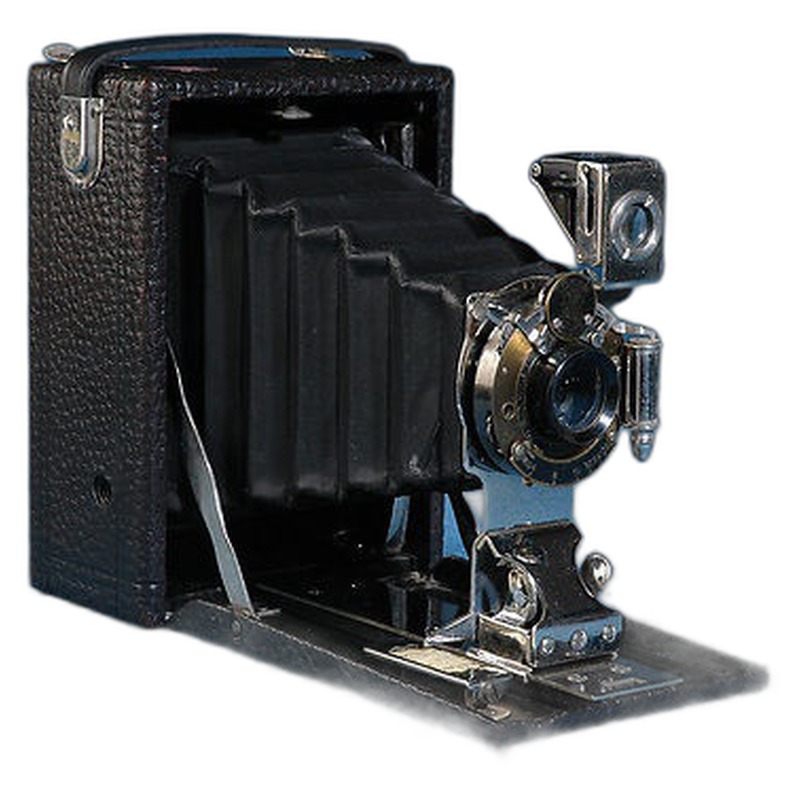
The Premoette represents Kodak's significant early experimentation with small-format photography during the mid-1900s. Produced between 1905 and 1908, it predates the standardized 35mm film cartridge by decades. This compact folding camera utilized Kodak's own specific 35mm film format, essentially unperforated paper-backed film strips requiring individual cutting and loading. Its design was straightforward: a simple box body with a folding bellows extension to bring the lens closer to the film plane. Key features included a meniscus lens typical of the era and a simple rotary shutter. While not the first camera to use narrow film (that distinction belongs to earlier cine cameras repurposed for still photography), the Premoette was Kodak's earliest dedicated attempt at creating a portable camera using this narrower gauge, aiming for greater compactness and potentially more exposures than bulkier roll-film models of the time. It served as an important prototype in Kodak's development path towards eventually popularizing the 35mm format for still photography later on.
Specifications
| Film Format | 135 |
/main.jpg)
 Enjoy this museum? Support on Ko-fi