/main.jpg)
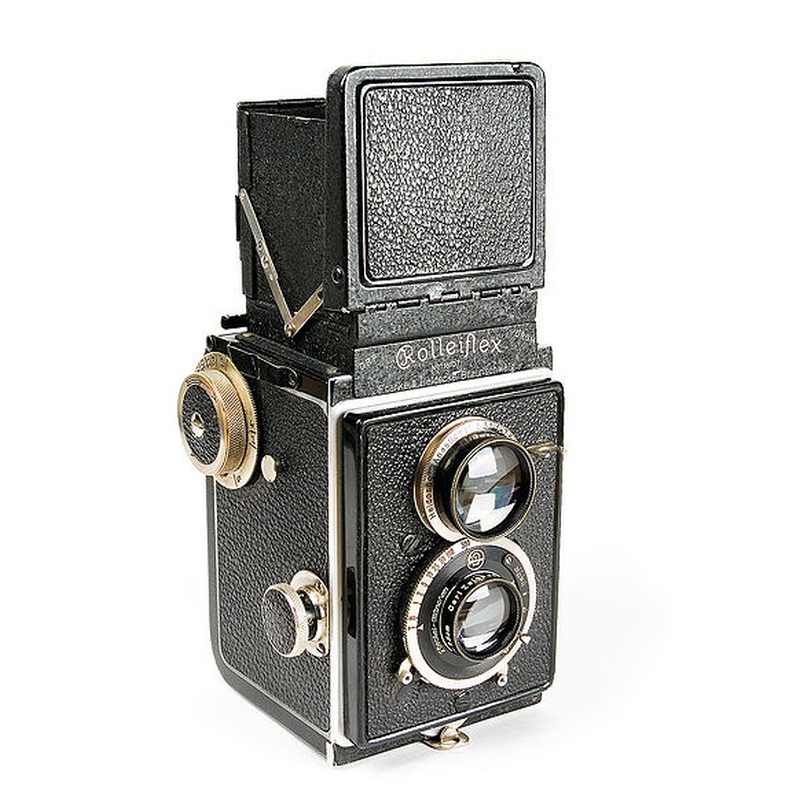
Rolleiflex (4.5x6, prototype)
Rollei · Germany · 1925–1926 (1 years) · 120 film
The Rolleiflex 4.5x6 prototype stands as a crucial, albeit less publicized, milestone in Rollei's history. Produced between 1925 and 1926, this camera was an early development phase preceding the iconic production Rolleiflex TLR launched in 1928. It represents the company's initial exploration of a medium format, twin-lens reflex design using 120 roll film, targeting the same 4.5x6 cm negative area that would become a signature for early Rollei models. While specific details of its construction features are scarce for this prototype stage, its existence demonstrates the foundational engineering and concept-testing that paved the way for the revolutionary Rolleiflex format that would define professional medium format photography for decades. This prototype embodies the experimental spirit and technical refinement at Rollei just before their breakthrough into the mainstream photographic market.
The camera's significance lies primarily in its role as a direct ancestor to the production Rolleiflex. It solidified the practical application of the TLR principle—viewing through one lens while exposing through another—for medium format roll film, solving key challenges in parallax correction and operational ergonomics within a robust, portable housing. Though not a finished product, its development cycle provided invaluable feedback that shaped the features and reliability of the legendary 1928 model, influencing subsequent Rollei TLR designs for years. Collectors and historians prize this prototype not for any legendary performance or famous user association, but as a tangible piece of the engineering genesis that led to one of photography's most significant camera systems.
Specifications
| Film Format | 120 |
/main.jpg)
_(rollfilm)/main.jpg)
/main.jpg)
/main.jpg)
 Enjoy this museum? Support on Ko-fi