Pricing
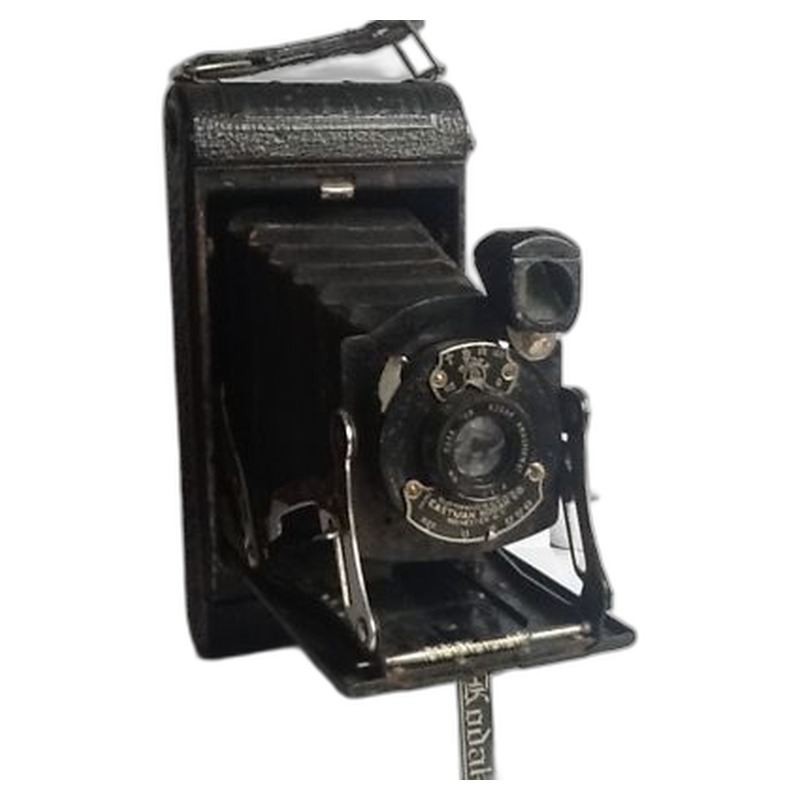
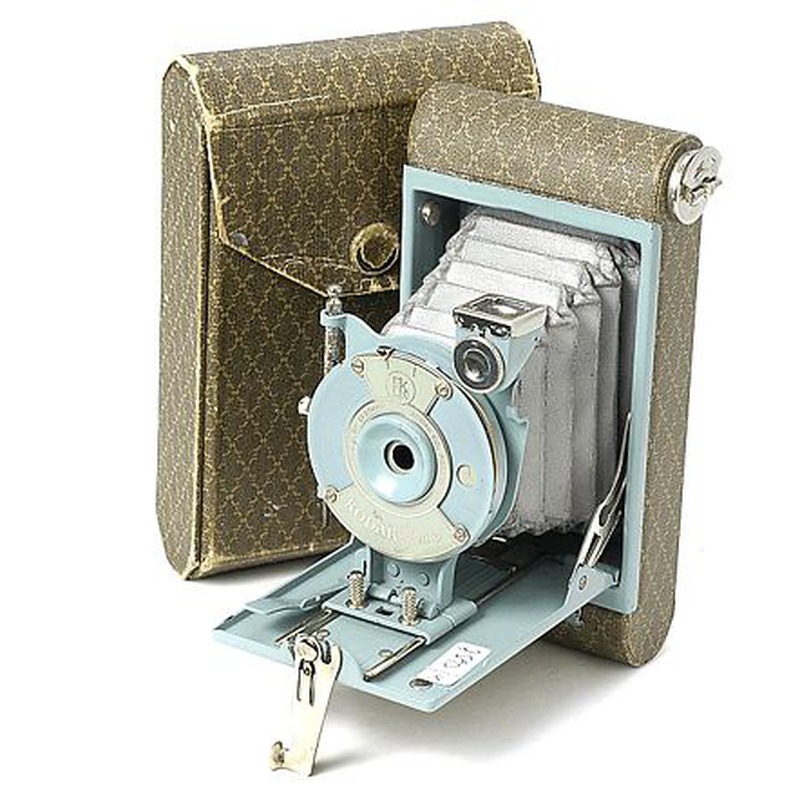
Kodak Pocket Junior No.1
Kodak · USA · 1929–1932 (3 years) · 135 film
Introduced in 1929, the Kodak Pocket Junior No.1 represents a significant step towards popularizing the 35mm (135) format for amateur photographers during a period when Kodak was still primarily associated with roll-film box cameras and folding models. As one of Kodak's earliest dedicated 135 cameras, it offered a compact alternative to larger roll-film cameras, targeting consumers seeking greater portability and the growing availability of 135 film stock. Its design emphasized simplicity and affordability, reflecting Kodak's strategy to make the relatively new 135 format more accessible to a mass market. While technically advanced for its time by utilizing 135 film, the camera itself was a straightforward fixed-focus or simple-zone focus device, lacking the sophisticated features or interchangeable lenses found by contemporary European competitors like Leica.
The Pocket Junior No.1 served as a bridge between Kodak's traditional roll-film offerings and the eventual dominance of 35mm photography. Its production until 1932 coincided with a crucial transitional phase in the market, as smaller film formats gained traction. While not an innovator in optical design or complex mechanics, it played a vital role in normalizing the 135 cassette for casual snapshot users. Its existence underscores Kodak's recognition of the smaller format's potential and its commitment to capturing the amateur market through practical, user-friendly devices. Its legacy lies in being an early, affordable Kodak vehicle for the 135 format, contributing to its broader adoption before the rise of more advanced American 35mm models later in the decade.
Specifications
| Film Format | 135 |
/main.jpg)
/main.jpg)
 Enjoy this museum? Support on Ko-fi