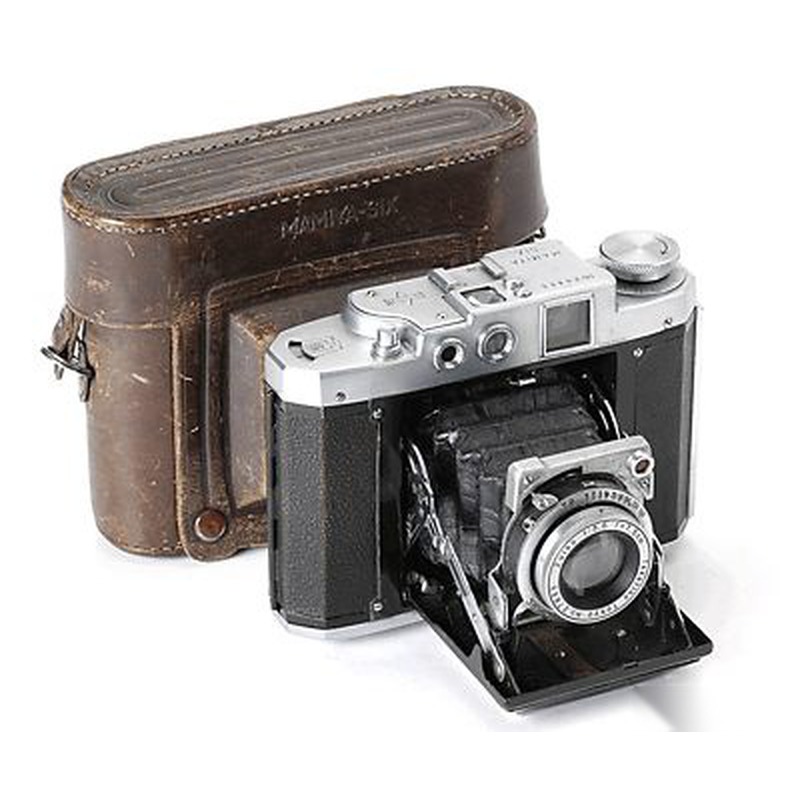
Mamiya Six III
Mamiya · Japan
The Mamiya Six III represents a specific model within Mamiya's successful line of medium format folding cameras popular in mid-20th century Japan. As part of the Mamiya Six series, it likely shared the core characteristics of its predecessors: a compact, bellows-based design using 120 roll film, typically producing 6x6 cm exposures. This format offered significantly higher image quality than common 35mm cameras of the era, appealing to enthusiasts and professionals alike. The Six III would have featured coupled rangefinder focusing and leaf-shutter lenses, ensuring reliable operation and good results, while its folding body made it relatively portable for its time and format. It embodied Mamiya's engineering focus on accessible quality in the medium format realm during an important period in Japanese camera development.
While the exact innovations of the III model are unclear without specific details, it stood as a refined iteration in a series known for bringing medium format photography to a broader audience. It balanced practicality with respectable performance, catering to photographers seeking an upgrade from smaller formats without the bulk of larger view cameras. Its significance lies within the context of the Mamiya Six lineage, contributing to the brand's reputation for producing capable, well-designed medium format cameras during the post-WWII boom.
/main.jpg)
/main.jpg)
/main.jpg)
 Enjoy this museum? Support on Ko-fi