/main.jpg)
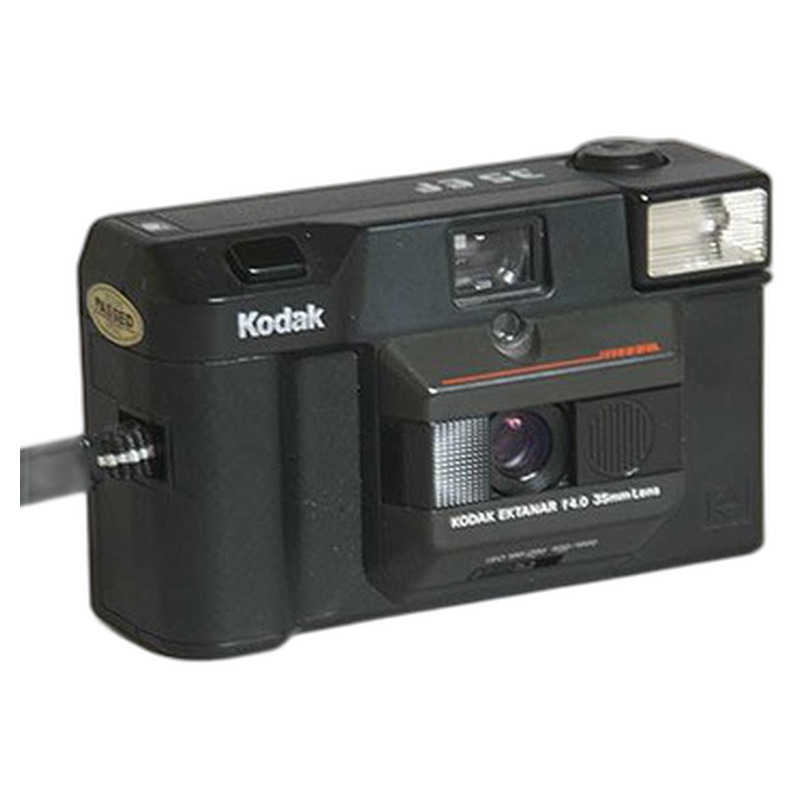
Kodak Retina IIIc (028)
Kodak · USA
The Retina IIIc (028) represents a significant milestone in Kodak's foray into high-quality 35mm photography during the mid-20th century. Building upon the success of the original Retina (1934), the IIIc model introduced significant refinements, notably a coupled rangefinder system for accurate focusing. This feature, combined with its compact folding design, housed a high-quality Schneider Xenar or Kodak Ektar lens and a reliable Compur or Synchro-Compur shutter, making it a sophisticated tool for serious amateurs and professionals seeking a compact yet capable camera. Its production spanned the late 1930s into the 1950s, solidifying it as a durable and well-regarded workhorse in the post-war era. While not reaching the mythical status of certain German contemporaries, the IIIc was a camera of substance, known for its precise engineering and the consistent image quality it delivered.
Camera of its type, the Retina IIIc exemplified the convergence of American manufacturing precision with European optical design sensibilities. It offered a compact solution for photographers desiring the advantages of 35mm film format without the bulk of larger cameras, featuring a sturdy metal body with leather covering and controls designed for intuitive operation. Its reputation stemmed from its reliable performance and the excellent results achievable with its lenses and shutters, making it a trusted companion for documentary work, travel photography, and personal projects during a transformative period for 35mm photography.
/main.jpg)
 Enjoy this museum? Support on Ko-fi