Pricing
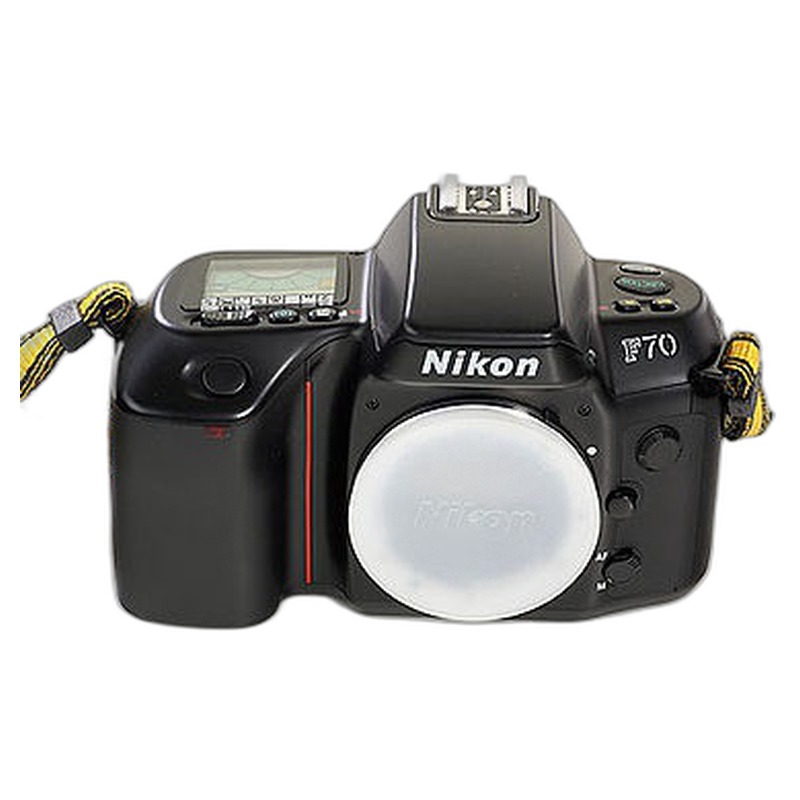
Nikon F-70
Nikon · Japan
The Nikon F-70 (known as the N70 in North America and N75 elsewhere) was a consumer-oriented 35mm autofocus SLR camera introduced by Nikon in the mid-1990s. It represented the company's continued effort to democratize advanced SLR features for the mass market, sitting below the professional F5 and F90/X in the lineup. Key features included a sophisticated 5-segment matrix metering system, Nikon's then-new Dynamic AF sensor with predictive focus tracking, and compatibility with a wide range of Nikon F-mount lenses, including AF and AF-D types. The camera offered program, aperture-priority, shutter-priority, and manual exposure modes, along with built-in pop-up flash and a relatively compact, ergonomic body for its class, making it accessible to enthusiasts transitioning from point-and-shoot cameras.
While incorporating significant autofocus and metering technology for its time, the F-70 was largely a refinement of existing concepts rather than a groundbreaking innovation. It functioned as a competent workhorse for hobbyists and serious amateurs, offering reliable performance and robust construction typical of Nikon consumer bodies from that era. Its importance lies in bridging the gap between entry-level cameras and pro equipment during the film-to-digital transition, familiarizing many users with Nikon's system before digital SLRs became mainstream. It did not achieve the iconic status of earlier Nikon models like the F or F3, nor did it introduce features that fundamentally altered photographic practice.
 Enjoy this museum? Support on Ko-fi