Pricing
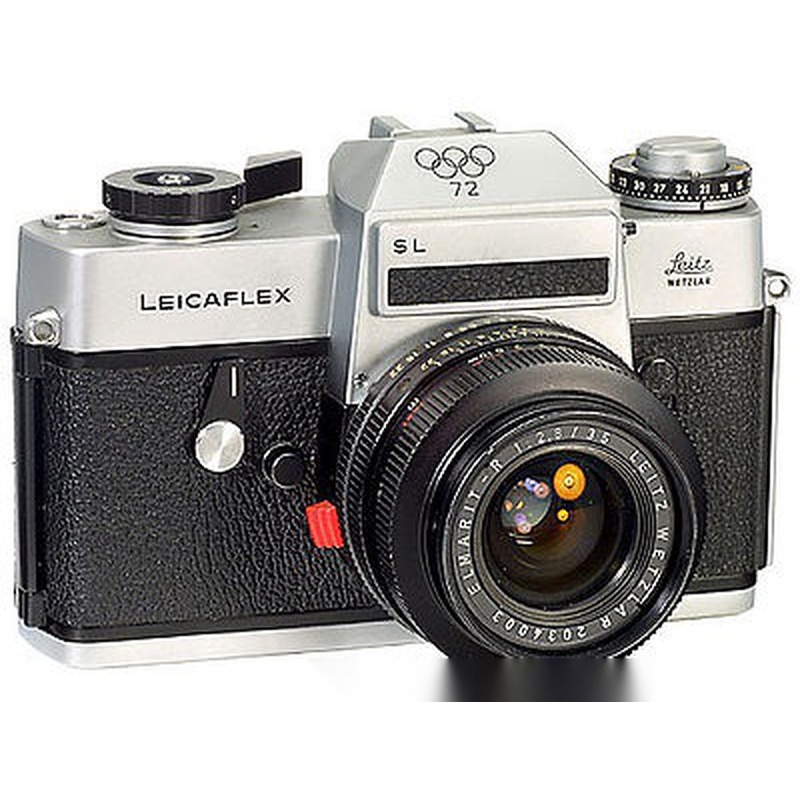
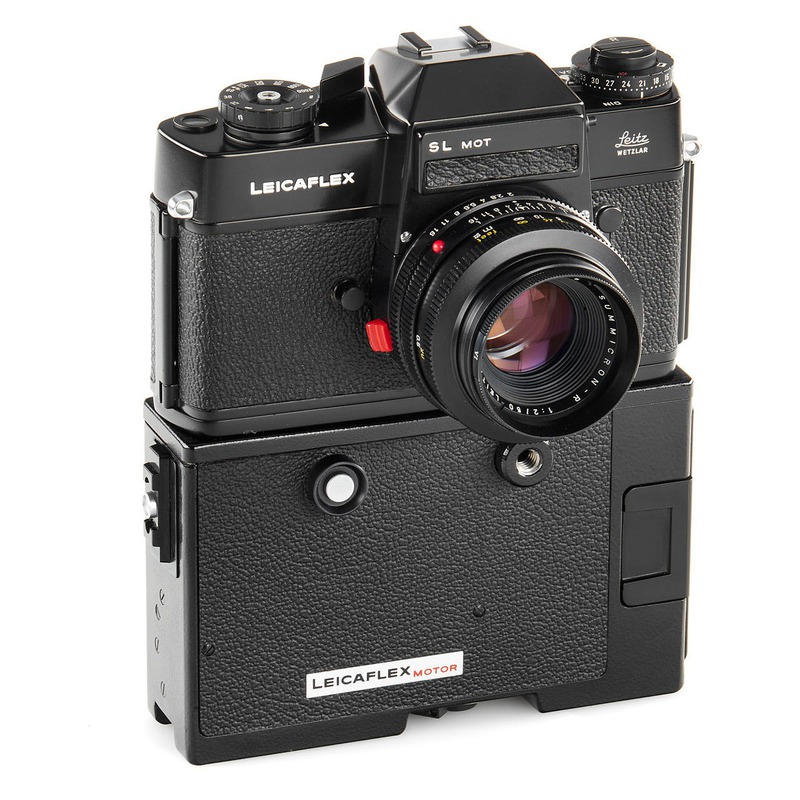
Leicaflex SL Olympic
Leica · Germany · 1968–1974 (6 years) · 135 film
Produced from 1968 to 1974, the Leicaflex SL was Leica's second attempt at a 35mm single-lens reflex camera, following the original Leicaflex model. It represented a significant refinement, integrating a through-the-lens (TTL) exposure meter coupled to the shutter speed dial for more accurate light readings, a crucial step for professional photographers. Characterized by its robust, all-metal construction, the SL featured a bright pentaprism finder and a cloth focal-plane shutter with speeds from 1 to 1/1000 second. Its design emphasized reliability and precision, appealing to discerning photographers seeking a high-quality SLR, though it retained the somewhat slower mirror operation of its predecessor compared to contemporary Japanese rivals.
The "Olympic" suffix likely denotes a specific variant or commemorative edition, possibly related to the 1968 Winter Olympics held in Grenoble, France, aligning with its introduction date. While sharing the core specifications and build philosophy of the standard Leicaflex SL models, the Olympic edition would have featured unique exterior markings or finishes, such as engraved Olympic rings or special serial numbers. As part of Leica's SLR lineage, it maintained the brand's commitment to superior optics and engineering, providing a solid platform for Leica R-series lenses, contributing to the system's development but lacking the groundbreaking innovations or widespread cultural impact that defined truly legendary cameras of its era.
Specifications
| Film Format | 135 |
/main.jpg)
/main.jpg)
 Enjoy this museum? Support on Ko-fi