Pricing
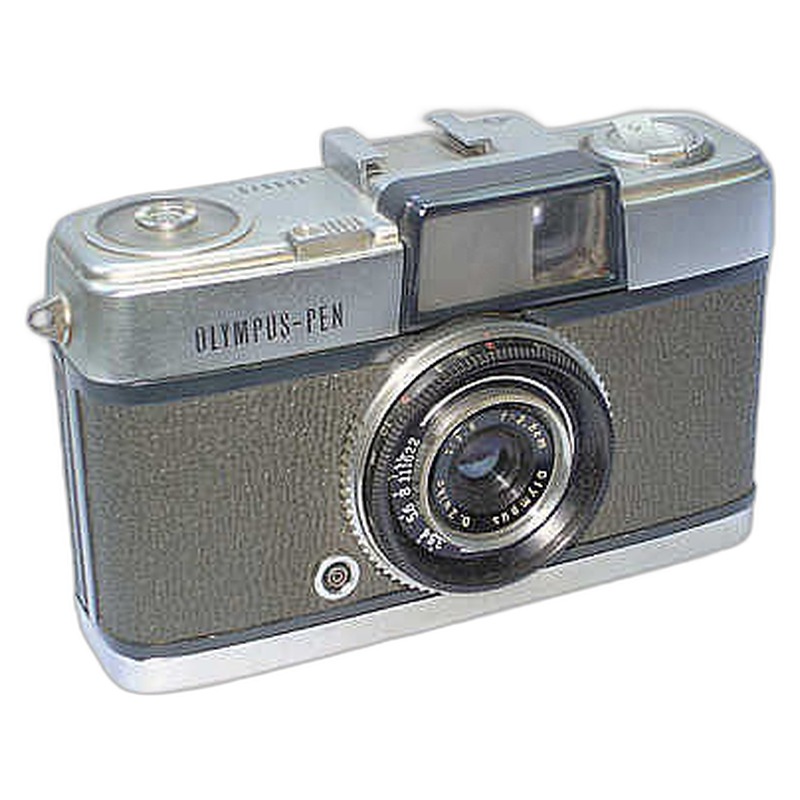
Olympus Pen
Olympus · Japan
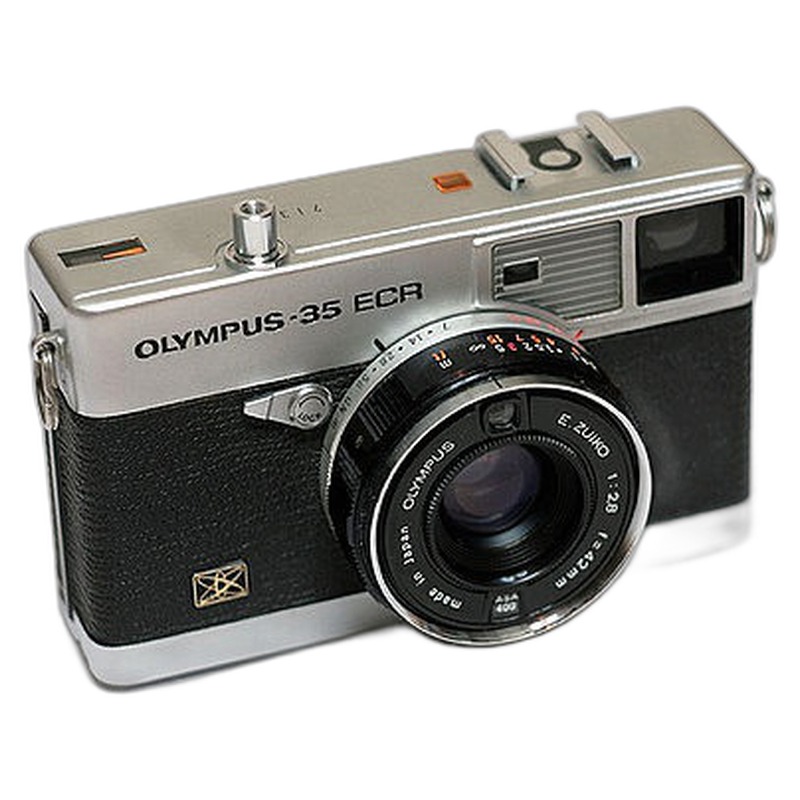
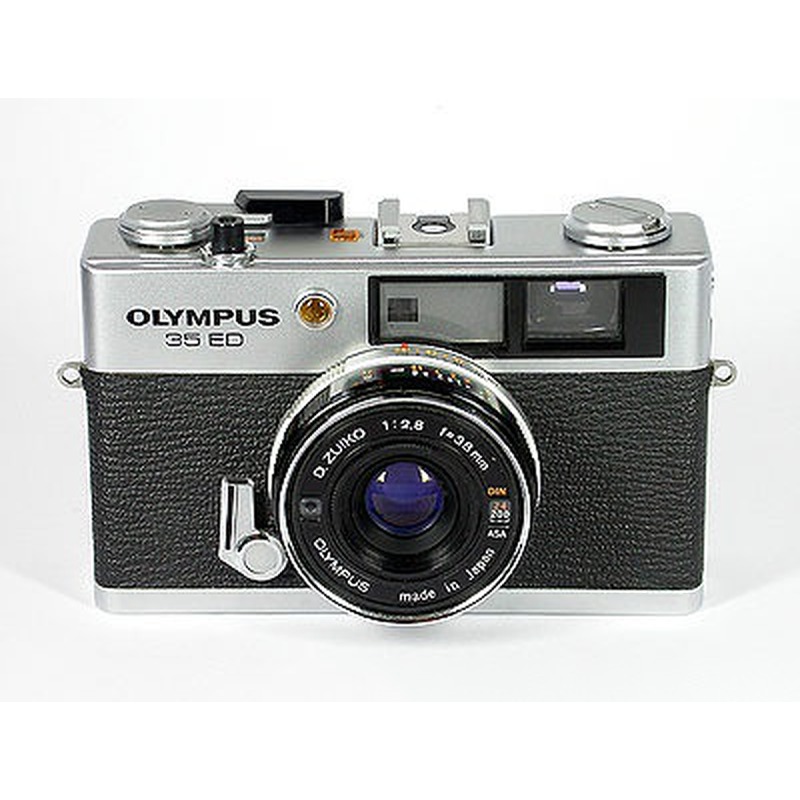
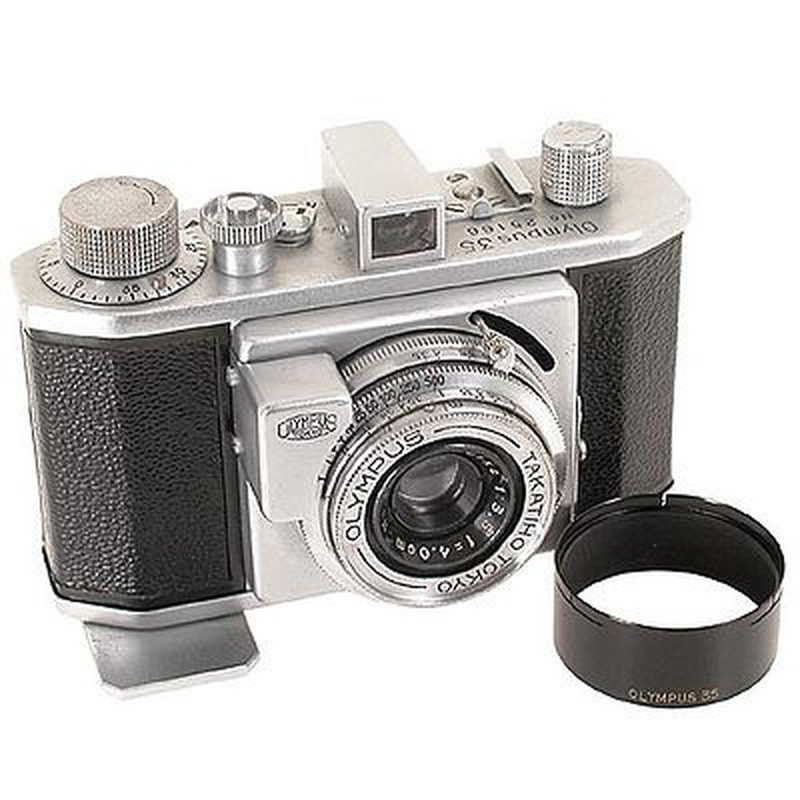
The Olympus Pen series, launched by Olympus in 1959, represents a significant chapter in 20th-century photography, particularly in the realm of compact, affordable cameras. It pioneered the successful adoption of the half-frame format (18x24mm) for a mass-market audience, effectively doubling the number of exposures per roll of standard 35mm film (typically 72 instead of 36). This ingenious approach allowed Olympus to create remarkably small and lightweight cameras that were exceptionally easy to carry and use for everyday snapshots without sacrificing the familiarity of 35mm film. The original Pen models, like the F (1959) and S (1960), featured fixed lenses, simple rangefinder viewing, and a rugged, metal body construction characteristic of Olympus's durable consumer products of the era. Their success established the Pen line as a major force in the global camera market for over two decades, with numerous models evolving to include interchangeable lenses, light meters, and more sophisticated features.
While technically straightforward compared to contemporary SLRs or high-end rangefinders, the Olympus Pen's enduring legacy lies in its democratization of portable photography. It proved that high-quality, convenient snapshots were accessible to the average person, influencing camera design towards compactness and practicality. The Pen's compact form factor directly addressed the common complaint of bulky cameras, making photography less obtrusive and more integrated into daily life. Its reliability and consistent image quality earned it a loyal following worldwide, cementing its status as an icon of mid-century Japanese camera manufacturing and a practical tool for millions of photographers seeking effortless picture-taking.
 Enjoy this museum? Support on Ko-fi