/main.jpg)
Pricing
Praktica Praktiflex (1947, II)
Praktica · Germany · 1947–1949 (2 years) · 135 film
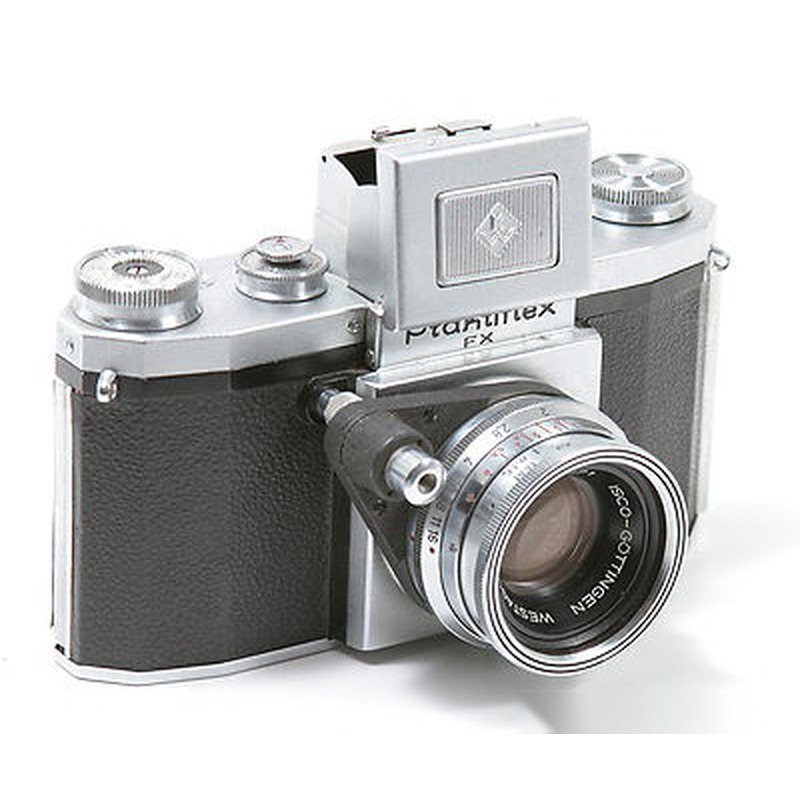
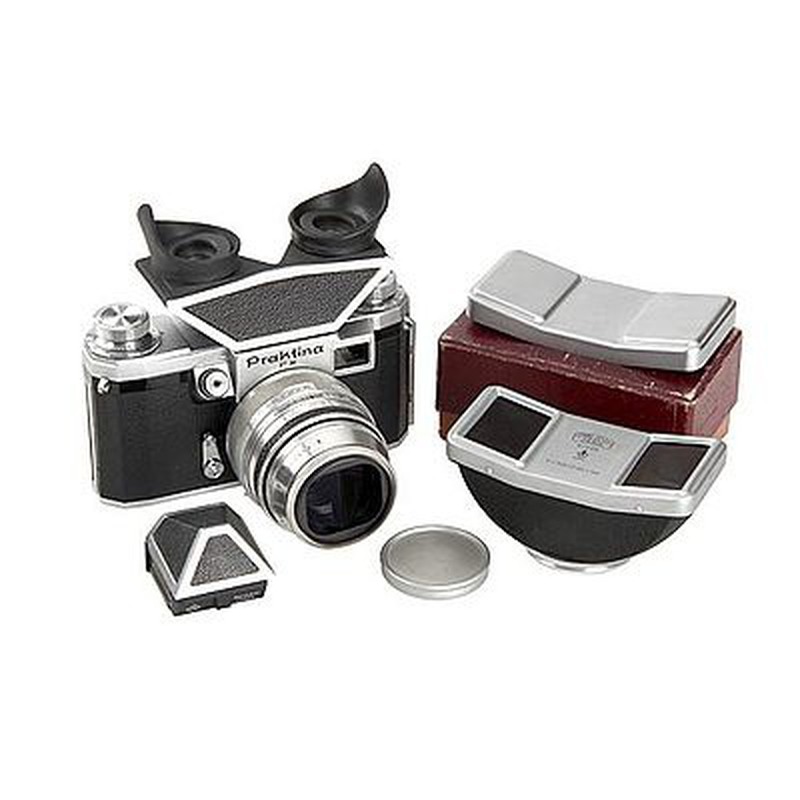
The Praktiflex (1947, II) represents a significant step in the popularization of the single-lens reflex (SLR) design for 35mm photography. Following the initial Praktiflex models of the early 1940s, this post-war revision (produced 1947-1949 by Kamera- und Kinowerke GmbH, later VEB Pentacon, Dresden, as Praktica) refined the pioneering East German design for a broader market. It featured a waist-level finder with a flip-up magnifier, a simple fabric focal plane shutter offering speeds from 1 second to 1/500th, and a removable back for film loading. Its construction was utilitarian, primarily relying on pressed metal and bakelite, reflecting the resource constraints and functional priorities of the era. This model solidified Praktica's reputation as a manufacturer of affordable, accessible SLRs, contributing significantly to making the format viable for serious amateur photographers across Europe during the post-war reconstruction period.
As one of the earliest mass-produced 35mm SLRs available after World War II, the Praktiflex (1947, II) played a crucial role in demystifying and democratizing SLR photography. While lacking the advanced features or prestige of contemporary rivals from Leica or Contax, its robustness and straightforward operation made it a practical workhorse. Its design influenced later Praktica models and helped establish the fundamental template for many subsequent budget SLRs globally. It stands as a historically important artifact, representing the tangible emergence of the SLR as a dominant camera type for enthusiasts and professionals moving away from rangefinders.
Specifications
| Film Format | 135 |
 Enjoy this museum? Support on Ko-fi