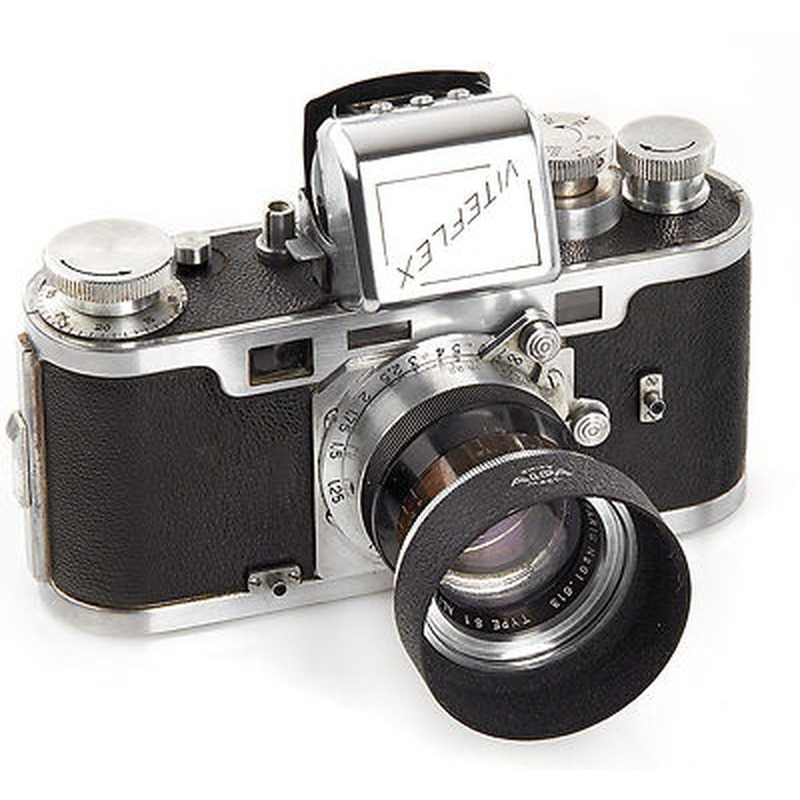
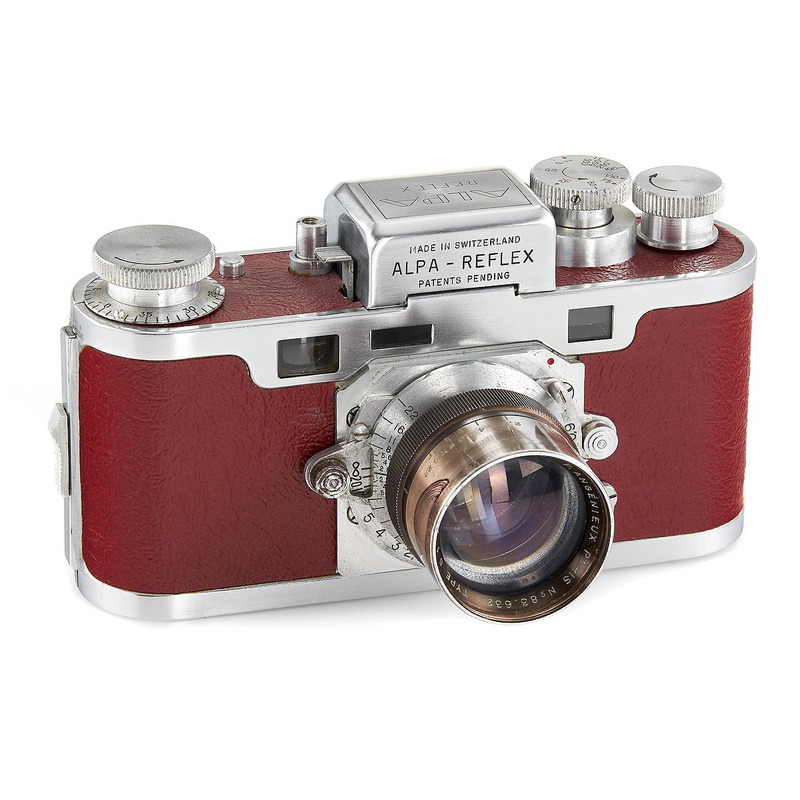
Alpa Viteflex
Alpa · Switzerland · 1945 · 135 film
The Alpa Viteflex, introduced in 1945, marked the Swiss manufacturer's significant entry into the burgeoning 35mm film market. As a precision rangefinder camera, it showcased Alpa's commitment to engineering excellence and build quality, utilizing a metal construction typical of their work. Designed around the Leica screw mount (likely the M39/Leica Thread Mount), it accepted a wide range of high-quality lenses, appealing to photographers seeking reliability and optical performance. Its release coincided with the post-WWWII shift towards smaller, high-quality cameras, placing Alpa alongside established European makers. While not achieving the widespread market dominance of some contemporaries, the Viteflex established Alpa's reputation for sturdy, well-crafted precision instruments in the 35mm format.
Featuring coupled rangefinder focusing and a cloth focal-plane shutter offering speeds typically from 1s to 1/1000s (with T and B), the Viteflex provided essential control for serious photography. Its design prioritized functionality and robustness over mass-market appeal, reflecting Alpa's niche. The camera was appreciated for its solid feel and dependable operation, though its relatively complex controls and position as a premium offering limited its volume sales. It served as a crucial foundation for Alpa's subsequent development of more advanced 35mm SLRs and high-end rangefinders.
Specifications
| Film Format | 135 |
/main.jpg)
 Enjoy this museum? Support on Ko-fi