/main.jpg)
Icarette (6x9)
ICA · Germany
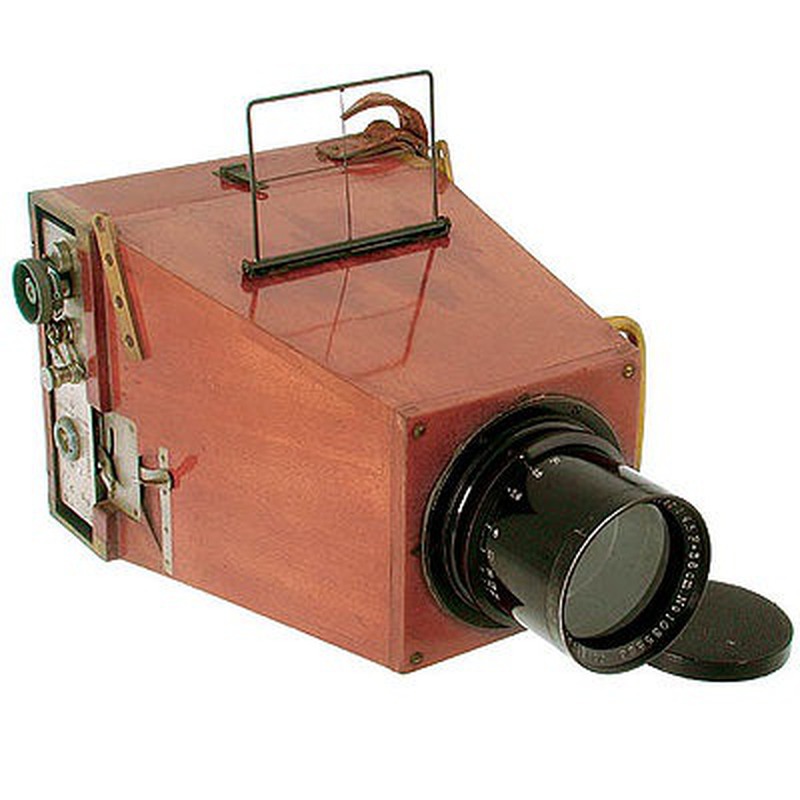
The Icarette (6x9) represents ICA's contribution to the popular early 20th century folding camera market, produced during the company's significant pre-Zeiss Ikon merger era. As a member of the Icarette line, it was a relatively affordable and practical camera designed for amateur photographers seeking medium format negatives (6x9 cm) on roll film. Characteristic of the folding design, it features bellows extending to house the lens and shutter mechanism, coupled with a direct vision viewfinder and a focusing system, typically via a front lens element or a coupled ranginder on later models. It embodies the utilitarian, accessible quality that defined ICA's offerings before the formation of Zeiss Ikon in 1926, contributing to the proliferation of roll film photography among the middle class.
This model is a sturdy, well-engineered camera of its period, featuring metal construction with leatherette covering, typical of folding cameras of the era. Its design prioritized functionality and image quality within a portable form factor, making it suitable for travel and everyday snapshots. While not an icon of camera design like contemporaries from manufacturers like Leica or Contessa-Nettel, the Icarette (6x9) served as a reliable workhorse for countless photographers, fulfilling the growing demand for roll film cameras before the widespread adoption of smaller formats. Its significance lies more as a representative product of ICA and the era's amateur photography boom than as a groundbreaking innovation itself.
/main.jpg)
/main.jpg)
/main.jpg)
/main.jpg)
/main.jpg)
 Enjoy this museum? Support on Ko-fi