Pricing
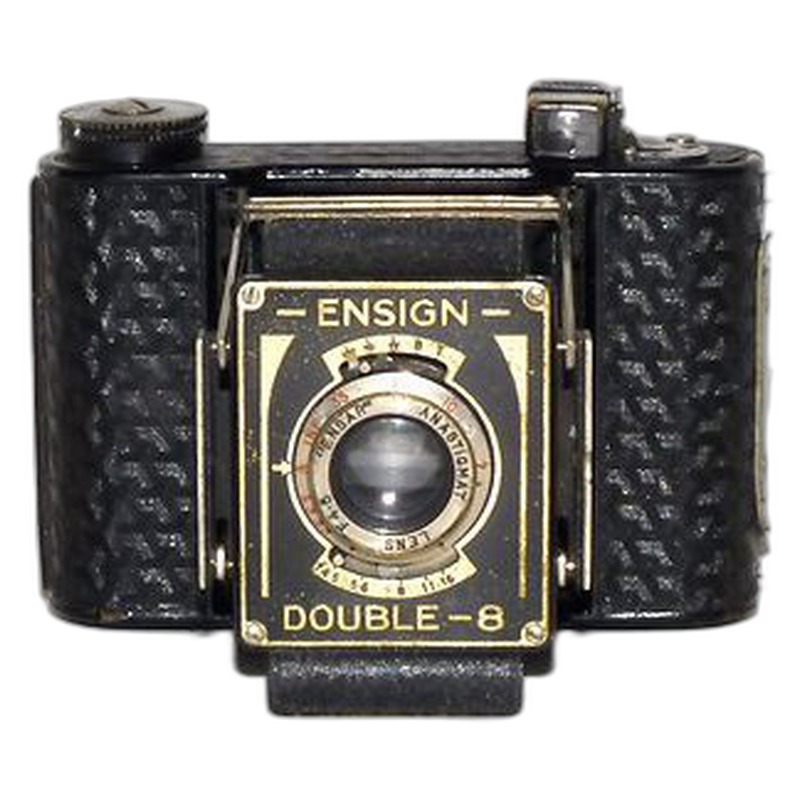
Houghton Ensign Double 8
Houghton · UK · 1935 · 135 film
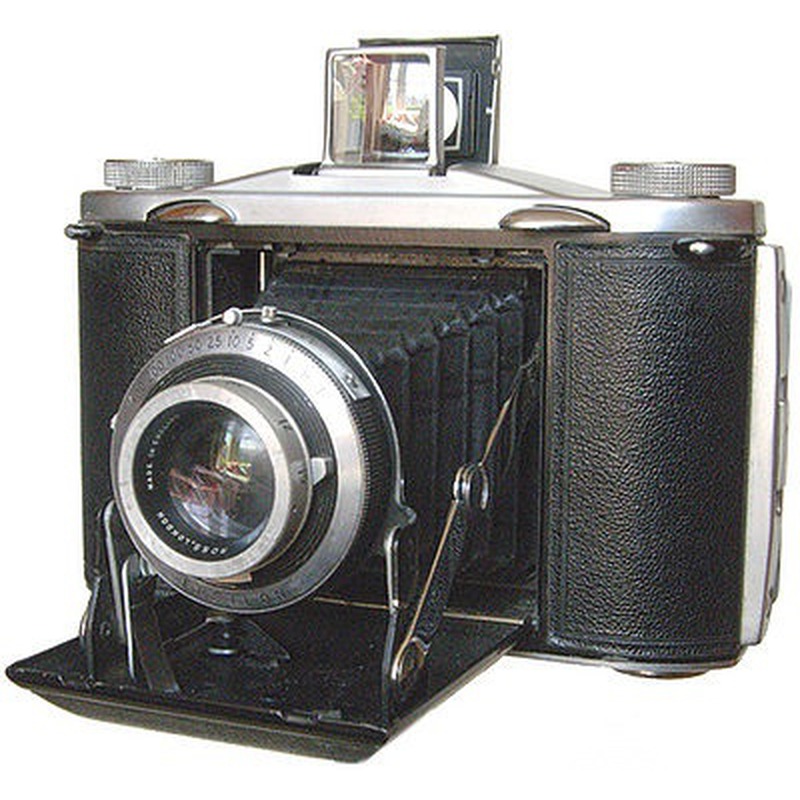
The Ensign Double 8 represents a notable entry in the British photographic market of the mid-1930s, specifically designed to utilize the emerging 135 (35mm) film format. Introduced by Houghton in 1935, it catered to the growing demand for more compact and affordable cameras compared to bulkier plate or roll film models. As a Double 8 nomenclature might suggest (though operating on standard 135), it likely featured an 8-exposure exposure counter and a straightforward, user-friendly interface aimed at the amateur photographer. Its construction would have been typical of mid-range British cameras of the era, utilizing materials like metal bodywork with leatherette covering, and incorporating a simple viewfinder and a basic lens shutter combination, prioritizing accessibility over advanced features.
Produced during a formative period for 35mm photography, the Double 8 occupies an important space as a representative example of the cameras that helped popularize the format beyond specialist circles. While not revolutionary in design or technology like contemporaneous German or American models, it exemplifies the British industry's response to the market shift towards smaller film formats. Its release underscores Houghton's strategy of offering domestically produced alternatives in the competitive 35mm segment, making it a historically relevant artifact documenting the democratization of 35mm photography in Britain before World War II.
Specifications
| Film Format | 135 |
/main.jpg)
/main.jpg)
 Enjoy this museum? Support on Ko-fi