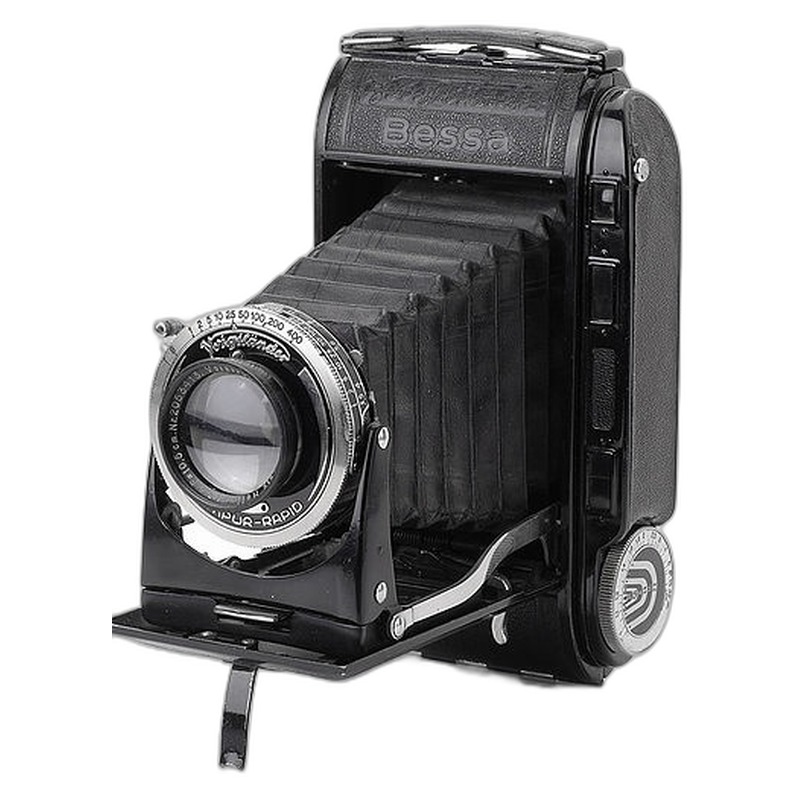
Voigtlander Bessa
Voigtlander · Germany · 1929–1949 (20 years) · 135 film
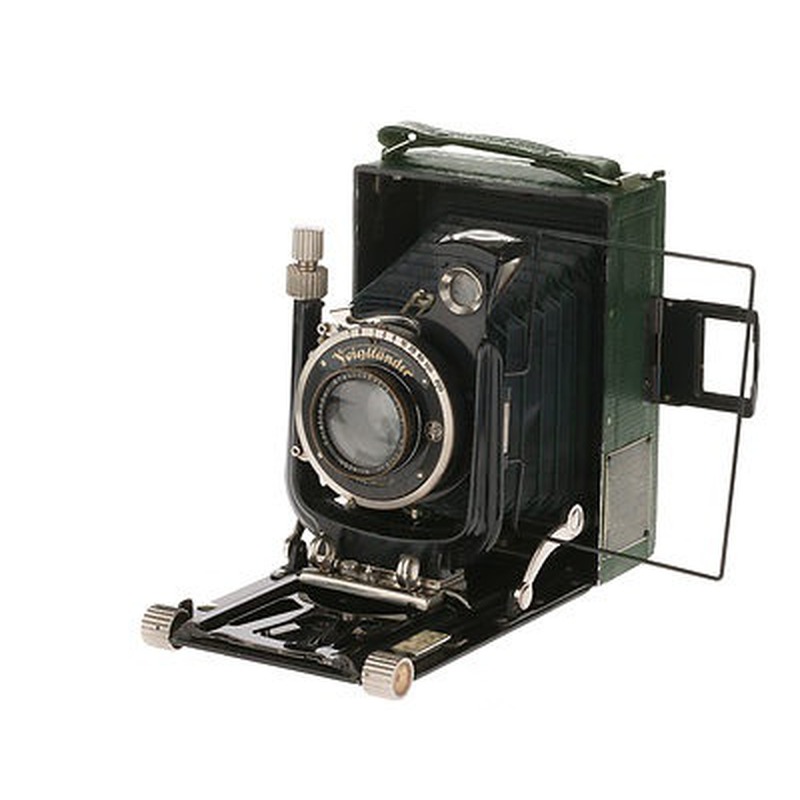
The Voigtlander Bessa, produced from 1929 to 1949, holds a notable place as the company's first successful venture into the 35mm (135) film format market. Preceding the iconic Bessa II, this initial Bessa model established Voigtlander's foothold in the emerging small-sensor realm. While sharing fundamental design principles common to contemporary German rangefinder cameras—featuring a coupled rangefinder for accurate focusing and a cloth focal-plane shutter—it embodied Voigtlander's reputation for solid, functional engineering rather than groundbreaking innovation. Built to be a reliable workhorse for serious photographers transitioning from larger formats, the Bessa provided a practical, high-quality tool for 35mm photography during its long production span, bridging the gap between early experimental models and the post-WWII boom in miniature cameras.
Its significance lies firmly within the context of Voigtlander's legacy and the popularization of 35mm photography. Offering German optics and construction at a competitive point, it served as a viable alternative to early Leica offerings, making precision miniature photography more accessible. The camera's endurance through two decades, encompassing significant historical events, underscores its robustness and utility. While not achieving the legendary status of models from its more famous competitors, the Bessa was a commercially significant product that cemented Voigtlander as a major player in the 35mm arena before the advent of their later, more sophisticated Bessa II and Vitessa models.
Specifications
| Film Format | 135 |
 Enjoy this museum? Support on Ko-fi