Pricing
Argus A Gold
Argus · USA · 1936 · 135 film
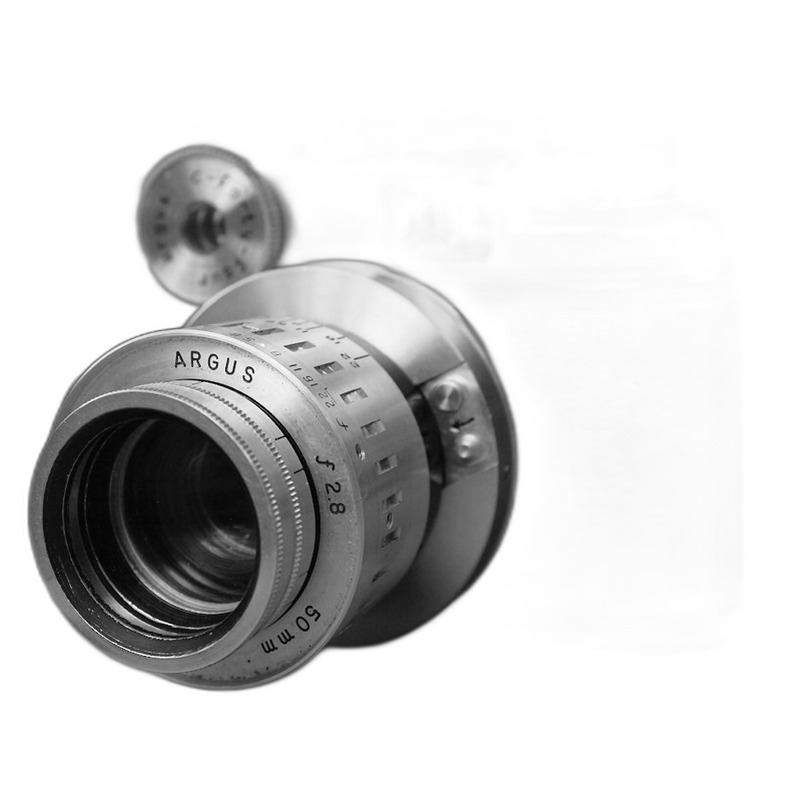
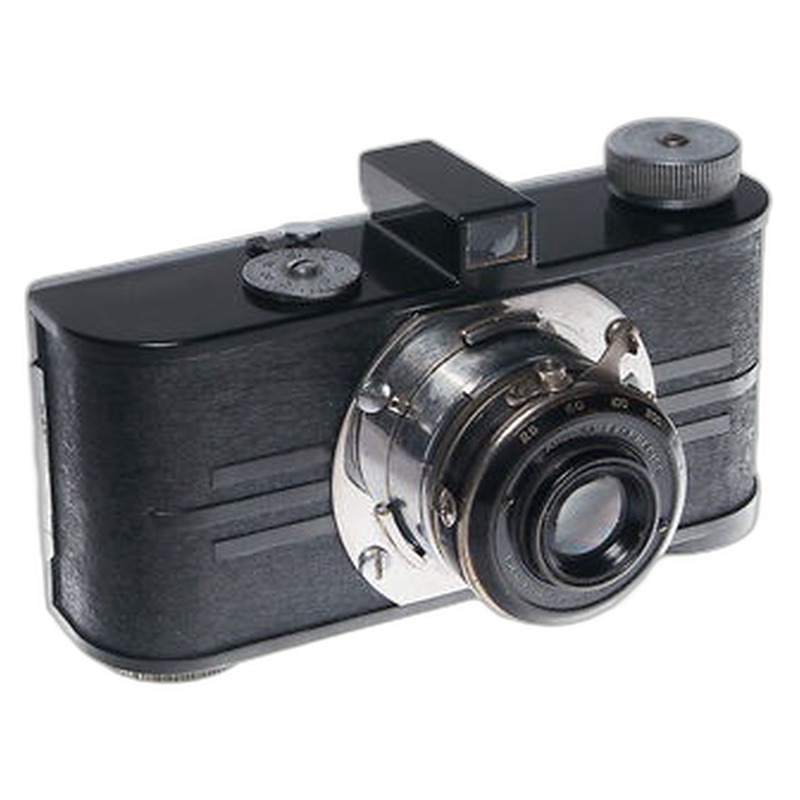
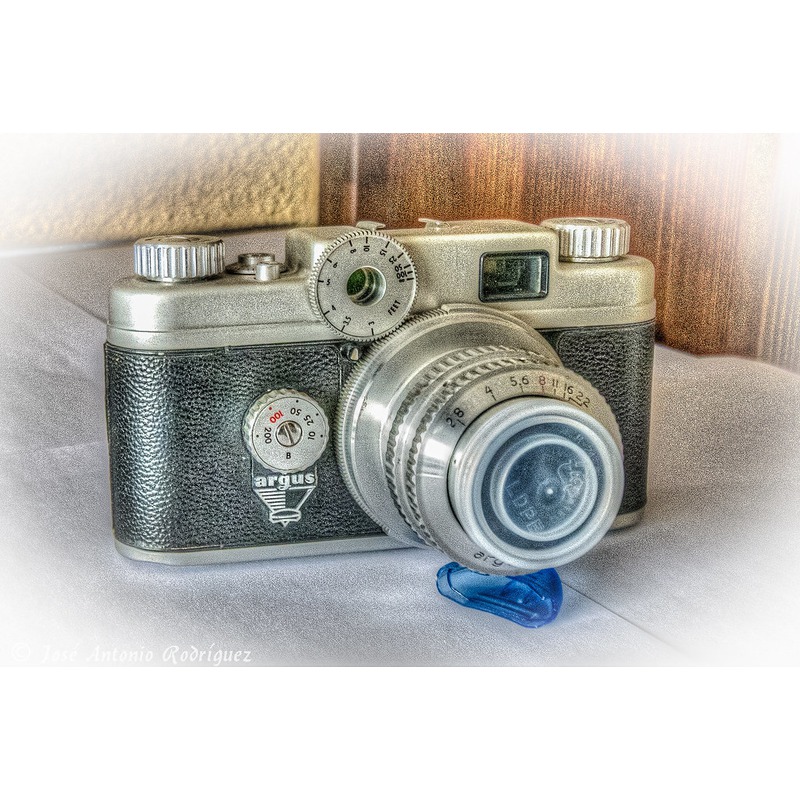
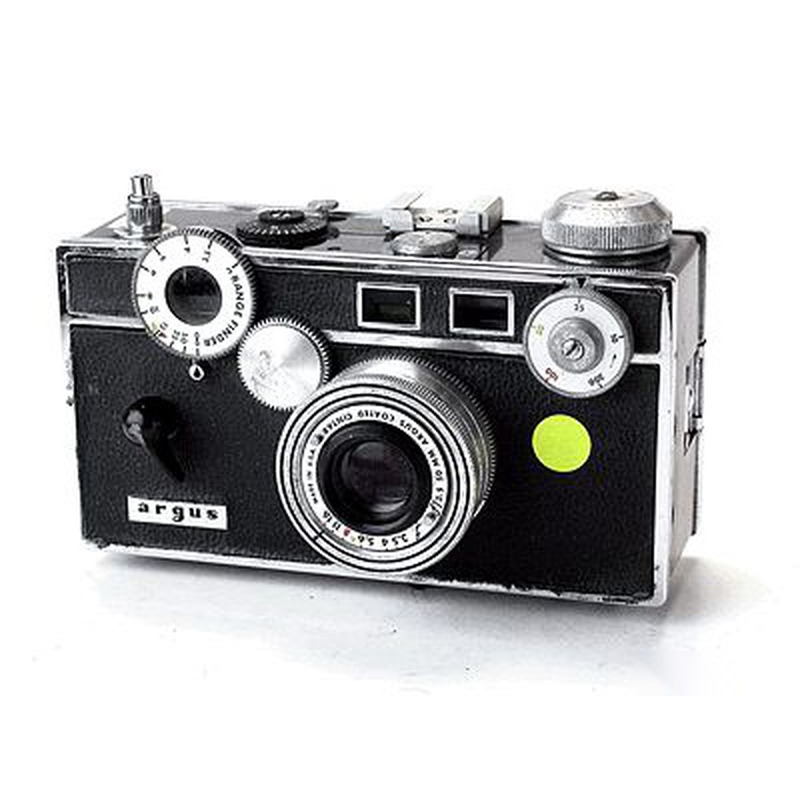
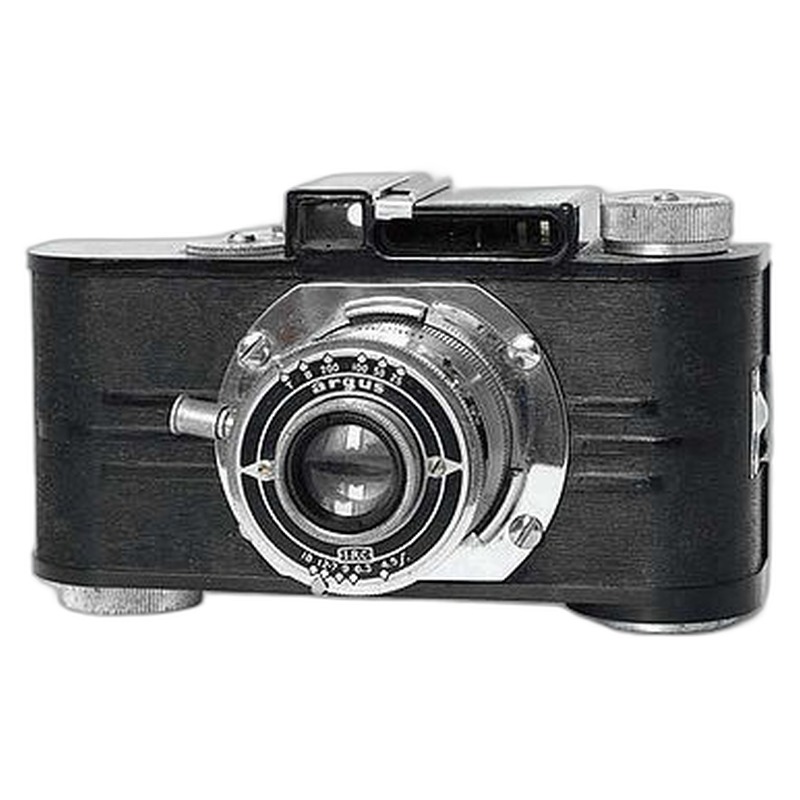
The Argus A Gold, introduced in 1936 by Argus of Ann Arbor, Michigan, represents an important milestone in making 35mm photography accessible to American consumers. As the successor to the original Argus A model (1935), the Gold variant featured improved specifications while maintaining the company's commitment to affordable quality. This camera helped popularize the 35mm format in the United States during a decade when European models like the Leica dominated the market. The Gold model distinguished itself with enhanced features such as a coupled rangefinder and more precise shutter controls compared to its predecessor. Argus marketed these cameras as "The Camera That Started 35mm Photography in America," emphasizing their role in making this format accessible to the masses rather than just professionals and enthusiasts. The sturdy metal construction and simple, intuitive controls made the Argus A Gold a practical choice for everyday photographers.
The Argus A Gold exemplifies the American approach to camera manufacturing during the 1930s – producing reliable, affordable alternatives to European imports without sacrificing essential functionality. With its fixed lens, simple shutter speeds, and straightforward loading system, the camera democratized photography for middle-class Americans who couldn't afford more expensive imports. The Gold version represented the upper end of Argus's consumer offerings of the era, featuring more refined finishes and slightly more advanced features than the standard Argus A models. While not revolutionary in design or technology, the Argus A Gold played a significant role in establishing 35mm photography as a viable format for American consumers, contributing to the eventual shift from larger formats in amateur photography.
Specifications
| Film Format | 135 |
/main.jpg)
 Enjoy this museum? Support on Ko-fi