Pricing
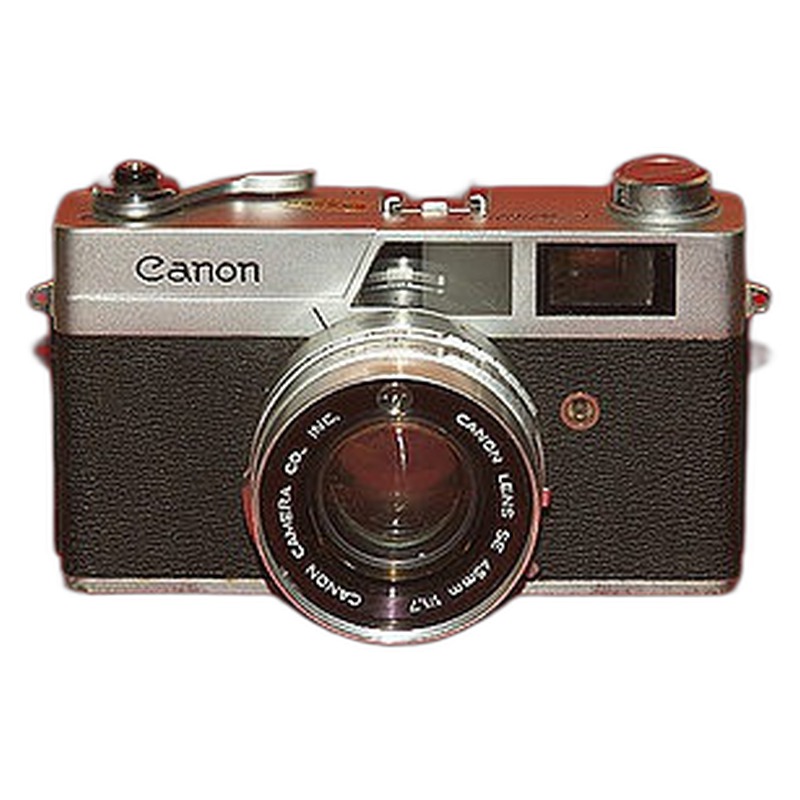
Canonet S
Canon · Japan · 1964 · 135 film
Introduced in 1964, the Canonet S represents Canon's effort to provide an accessible, user-friendly 35mm camera during the early 1960s. As part of the Canonet series, it positioned itself as a step below the more advanced QL models, focusing on simplicity and affordability for the casual photographer. It features a fixed 45mm f/2.8 lens, typical of many rangefinder cameras of its era, offering good image quality without the complexity of interchangeable lenses or sophisticated exposure meters. Operation is straightforward, relying on a selenium cell light meter that requires no batteries and provides exposure guidance via a needle match system. Its design is compact and functional, prioritizing ease of use over luxurious features, making it a practical choice for everyday snapshots and travel.
The Canonet S embodies the era's shift towards automation in consumer cameras while maintaining a rangefinder-based composition system. It sits within Canon's mid-20th-century strategy to popularize photography with reliable, well-built products. While not showcasing the groundbreaking engineering of some contemporaries, it served its purpose effectively for its intended audience. Its build, primarily using metal components, ensured durability typical of cameras from this period. It represents a solid, workmanlike example of early 1960s 35mm consumer camera design by a major Japanese manufacturer.
Specifications
| Film Format | 135 |
_red/main.jpg)
 Enjoy this museum? Support on Ko-fi