Pricing
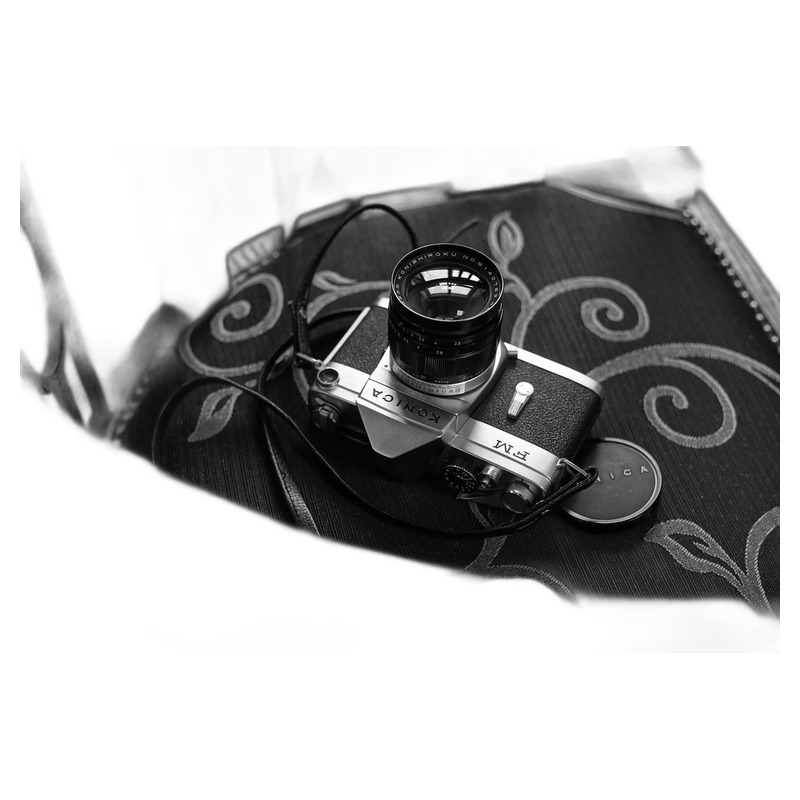
Konica Field Camera
Konica · Japan · 1890–1919 (29 years) · 135 film
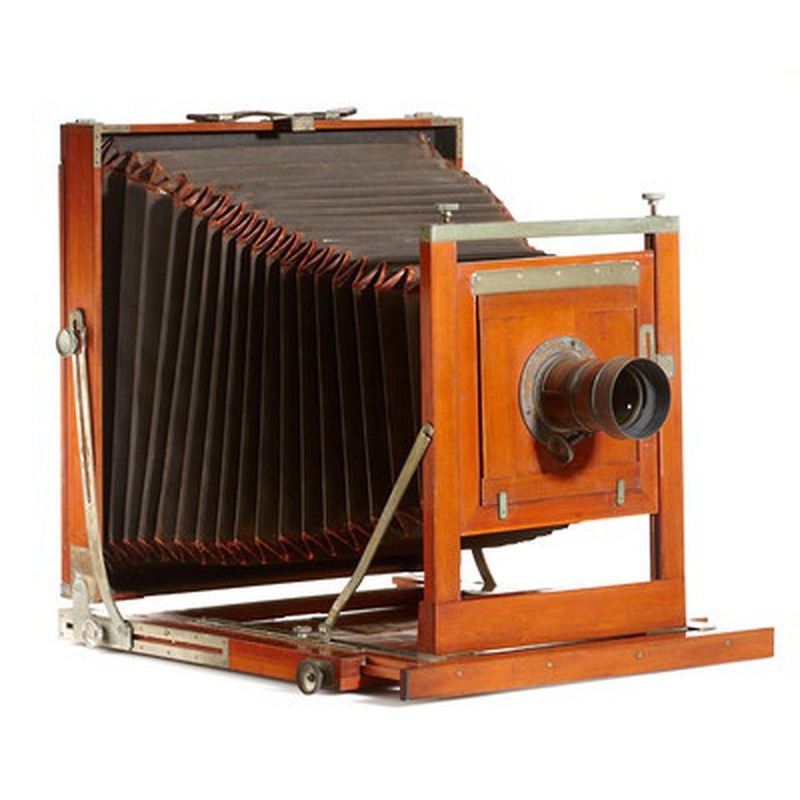
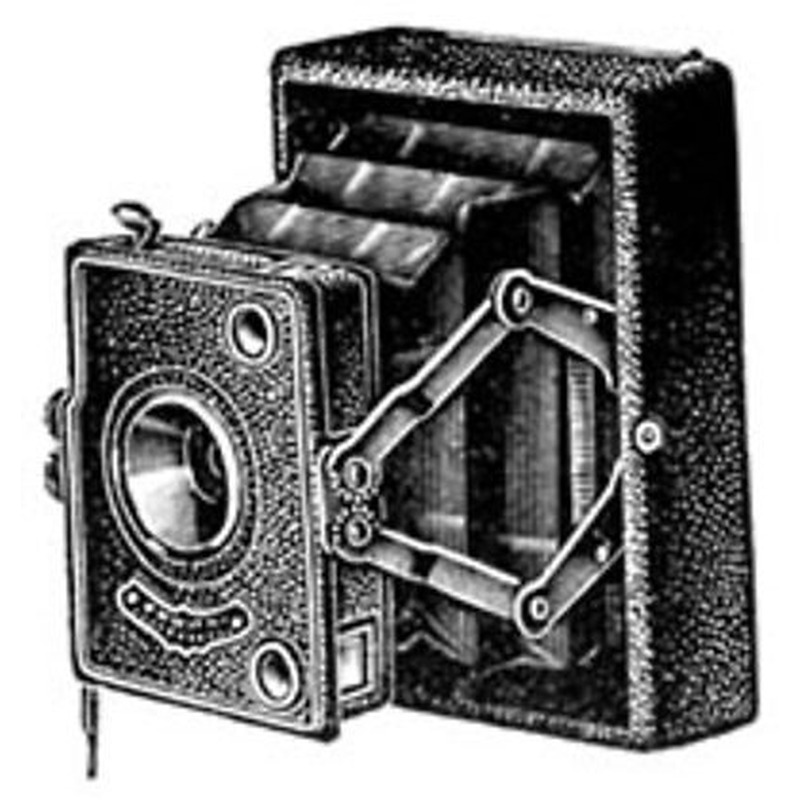
The Field Camera by Konica represents an intriguing anomaly in early photographic history, produced during the 1890–1919 period decades before 35mm film became standardized. Konica, founded in 1873 as Konishiroku, was primarily known for photographic chemicals and papers at this stage, making this camera a rare foray into camera manufacturing. Designed as a field camera—typically characterized by portability and robust construction for outdoor use—it likely employed materials such as wood and brass common to the era, though specific details are undocumented. Its 135 (35mm) format is particularly noteworthy, anticipating the miniature film revolution that would later define photography, though the camera predates the practical adoption of 35mm by major manufacturers like Leica by several years. This places the Field Camera in an unusual historical position: a premature 35mm experiment by a nascent Japanese camera company.
Despite its early production, the Field Camera’s technical innovations are largely unrecorded in available sources, with no documented breakthroughs attributed to it. Konica’s shift to full camera manufacturing would not occur until the 1930s, suggesting this model may have been a limited or experimental release. The absence of notable photographers associated with the camera further obscures its historical footprint, and it is rarely referenced in photographic literature. Nevertheless, its existence underscores Konica’s early interest in miniature formats and portability, aligning with the broader industry trend toward smaller, more accessible photographic equipment. As a product of an era dominated by larger-format field cameras, it serves as a testament to the period’s experimental spirit, even if its impact was ultimately overshadowed by later advancements.
Specifications
| Film Format | 135 |
/main.jpg)
 Enjoy this museum? Support on Ko-fi