Pricing
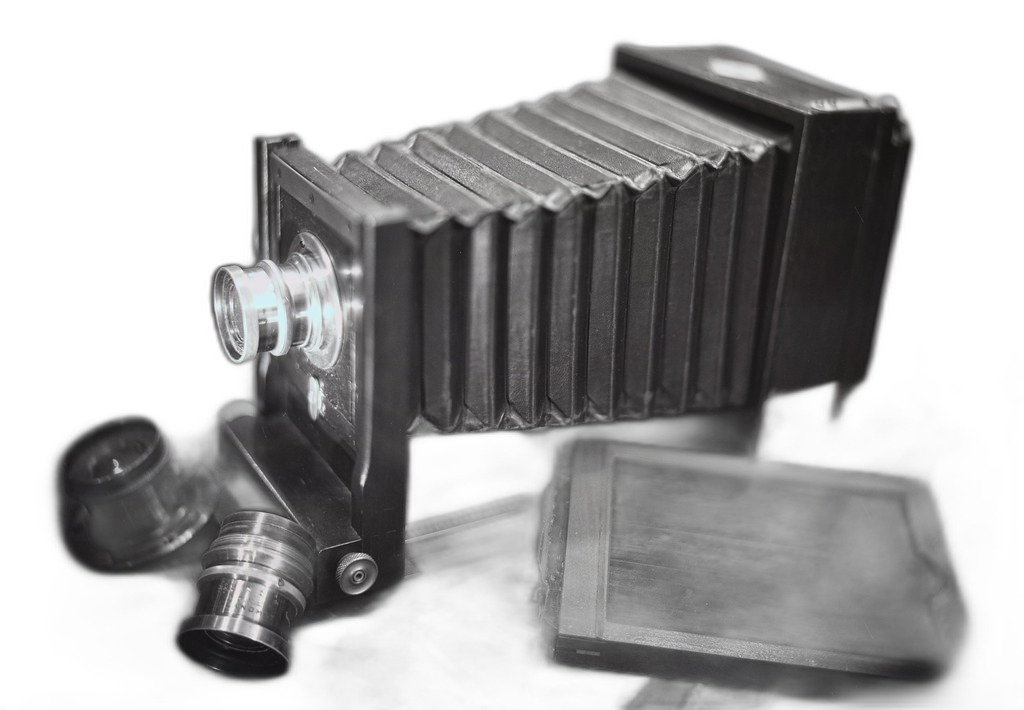
Agfa Universal Junior View
Agfa · Germany · 1932 · 135 film
The Universal Junior View was Agfa's entry in the growing 35mm camera market in 1932. Positioned alongside their more complex Isorette and Standard models, it aimed at a slightly more budget-conscious or amateur photographer seeking a simple, reliable way to shoot with the then-new 35mm format. It featured a straightforward box-like body construction, likely with a simple reverse Galilean viewfinder and a fixed or basic interchangeable lens system, embodying the practical approach Agfa often took. While not technically groundbreaking like the contemporary Leica II, it played a role in normalizing 35mm photography for a broader segment of the German market before the political upheavals of the mid-1930s significantly impacted the industry. Its design reflects the period's transition towards more accessible miniature cameras.
The camera offered the essential convenience of 35mm film loading and compact operation, catering to users who prioritized ease of use over sophisticated features or extreme portability. Its basic character suggests it was intended for casual snapshots and everyday photography rather than professional or enthusiast applications requiring advanced controls or rugged construction. As a product of Agfa's extensive camera lineup, the Universal Junior View represents a functional, utilitarian solution at the accessible end of the early 35mm spectrum, contributing to the format's popularization through widespread availability in the European market prior to World War II.
Specifications
| Film Format | 135 |
/main.jpg)
/main.jpg)
/main.jpg)
 Enjoy this museum? Support on Ko-fi