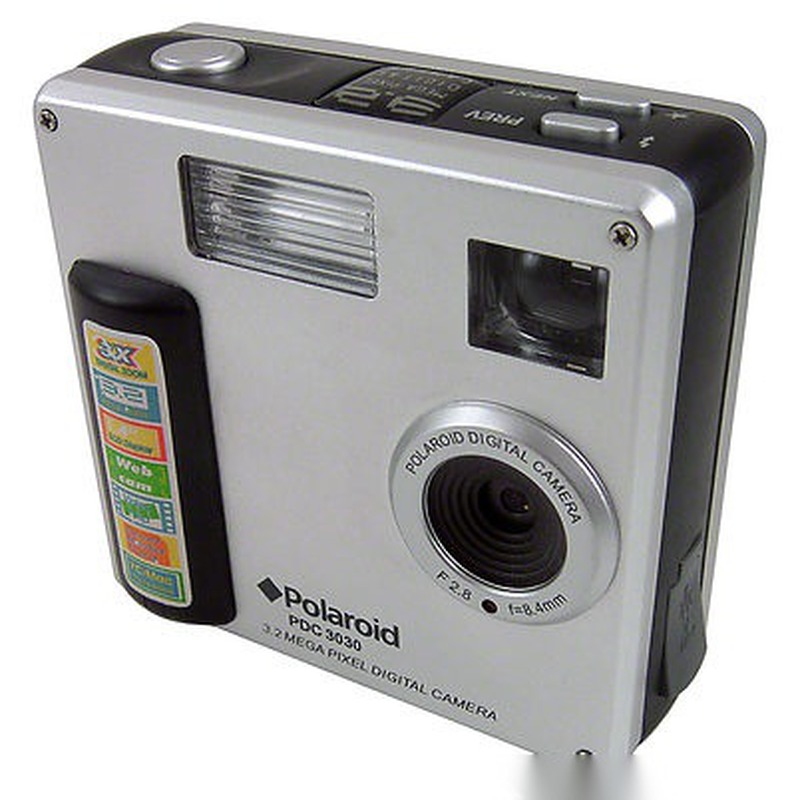
Polaroid PDC-3030
Polaroid · USA · 2004 · Instant film
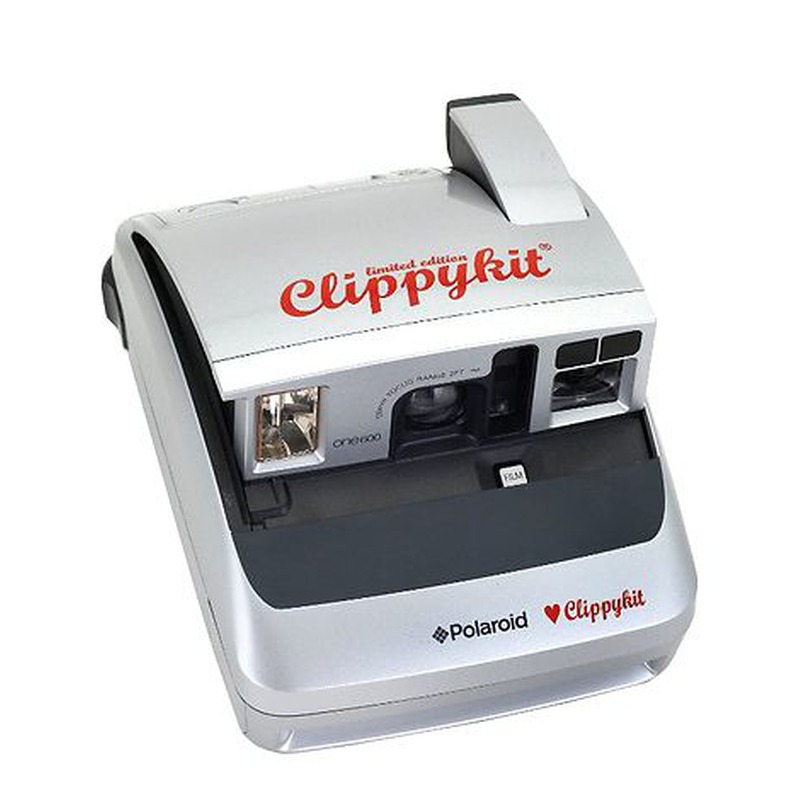
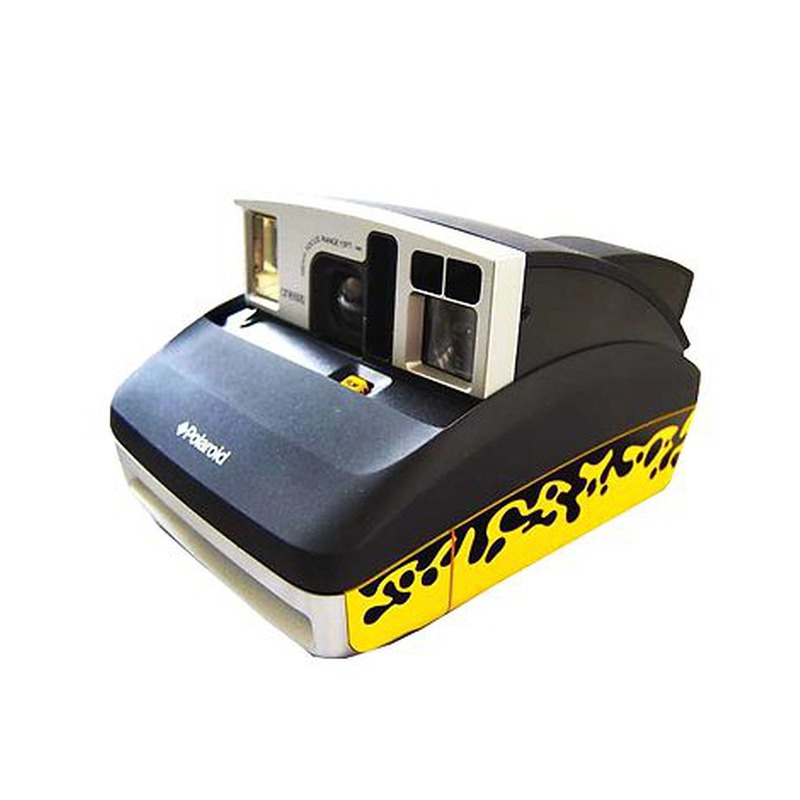
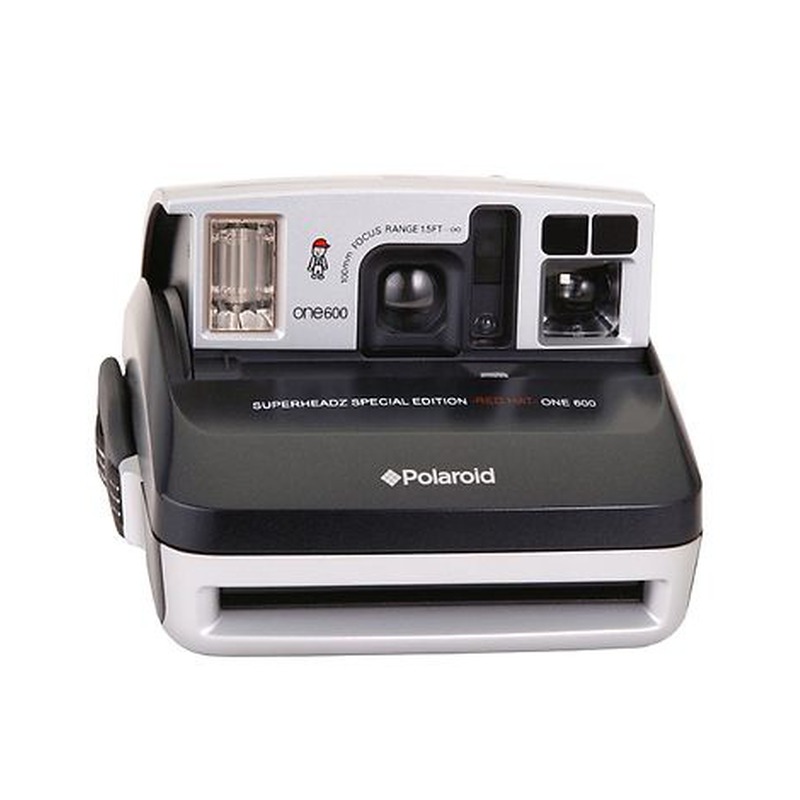
The Polaroid PDC-3030, introduced in 2004, represents a late chapter in Polaroid's storied history of instant photography. By this time, the company was facing immense pressure from the rapid rise of digital cameras, which threatened to make its unique instant film process obsolete. The PDC-3030 likely served as an entry-level or mid-range instant camera, designed to maintain brand presence and offer a straightforward point-and-shoot instant experience for consumers not yet ready to abandon physical prints entirely. Its design was almost certainly utilitarian, prioritizing affordability and ease of use over advanced features or premium materials, reflecting Polaroid's desperate efforts to adapt to a changing market dominated by digital image capture. It provided the immediate gratification of a physical print that was becoming increasingly rare outside dedicated labs, but within the constraints of a declining ecosystem for instant film technology.
As a product of its tumultuous era, the PDC-3030 embodies the challenges faced by traditional film companies in the digital age. It offered the core Polaroid instant magic – the development of a photograph minutes after exposure – without the innovative engineering or iconic design that defined earlier, more successful models like the SX-70 or 600 series. Its functionality was likely basic, focusing on automatic exposure, fixed focus, and simplicity for the mass market. While functional and capturing a niche audience seeking instant results without digital intermediaries, the PDC-3030 lacked the technological breakthroughs or cultural cachet that elevate cameras to legendary status. It stands more as a testament to Polaroid's struggle for relevance in its final years before its eventual acquisition and restructuring, than as a significant innovation in camera history.
Specifications
| Film Format | Instant |
 Enjoy this museum? Support on Ko-fi