/main.jpg)
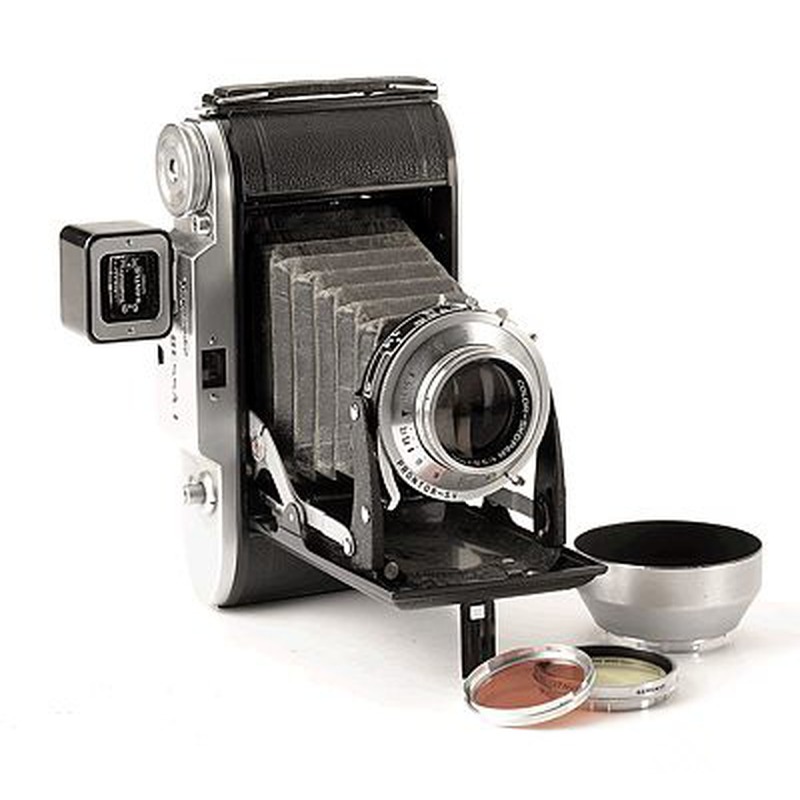
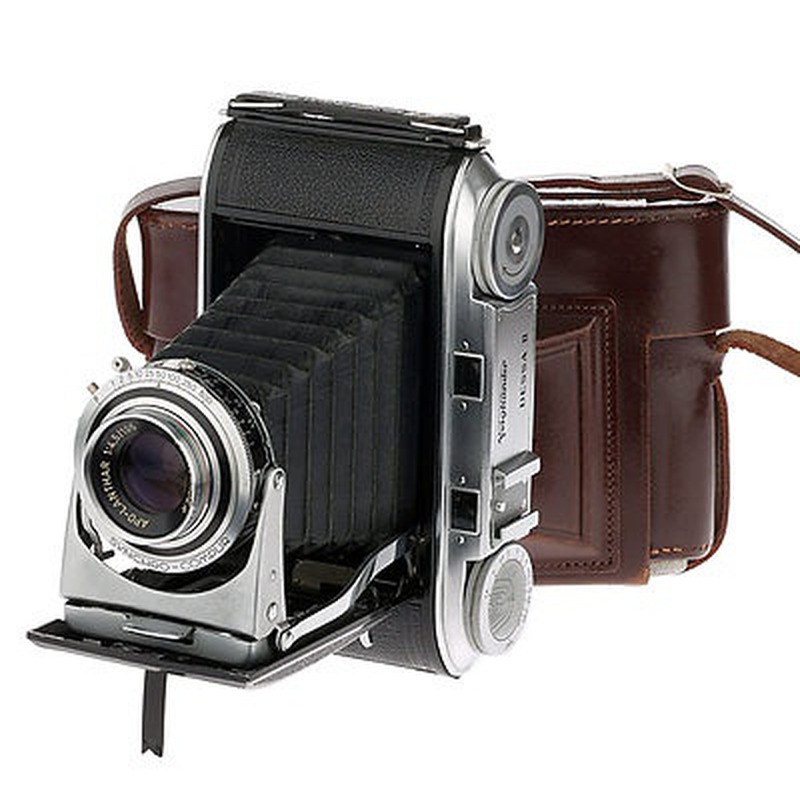
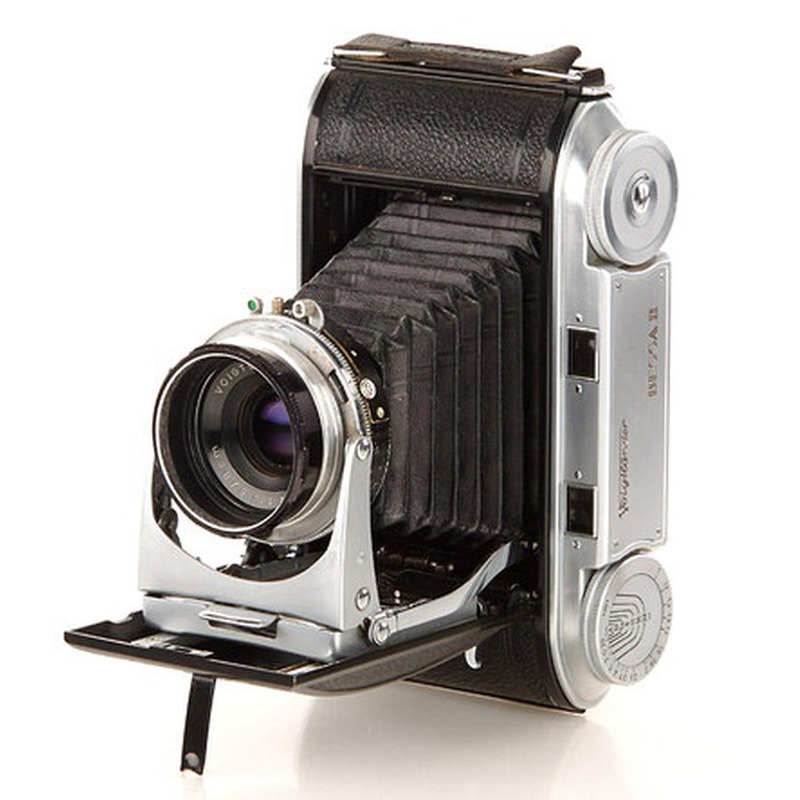
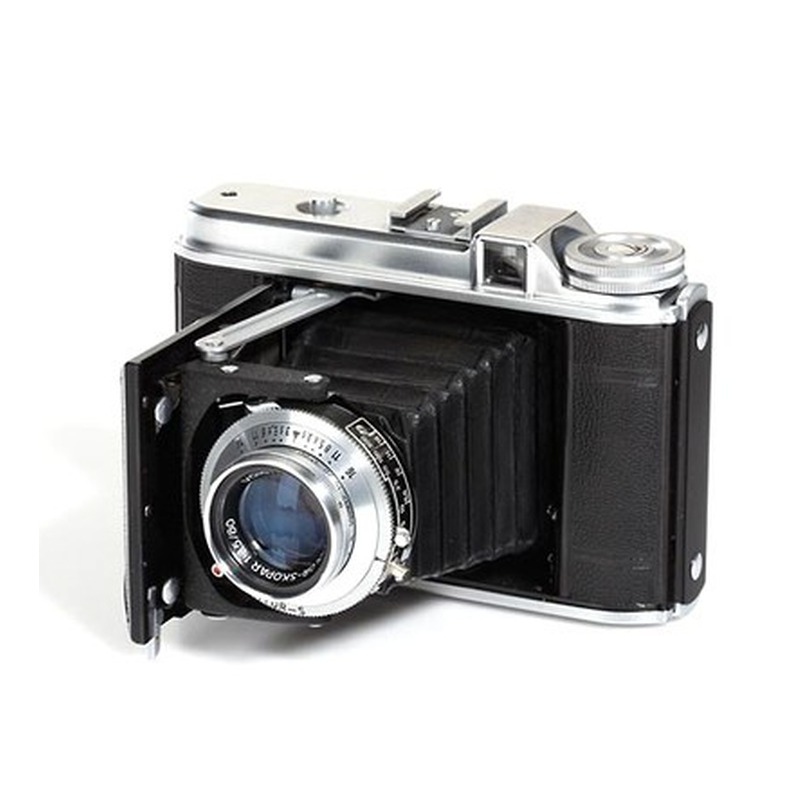
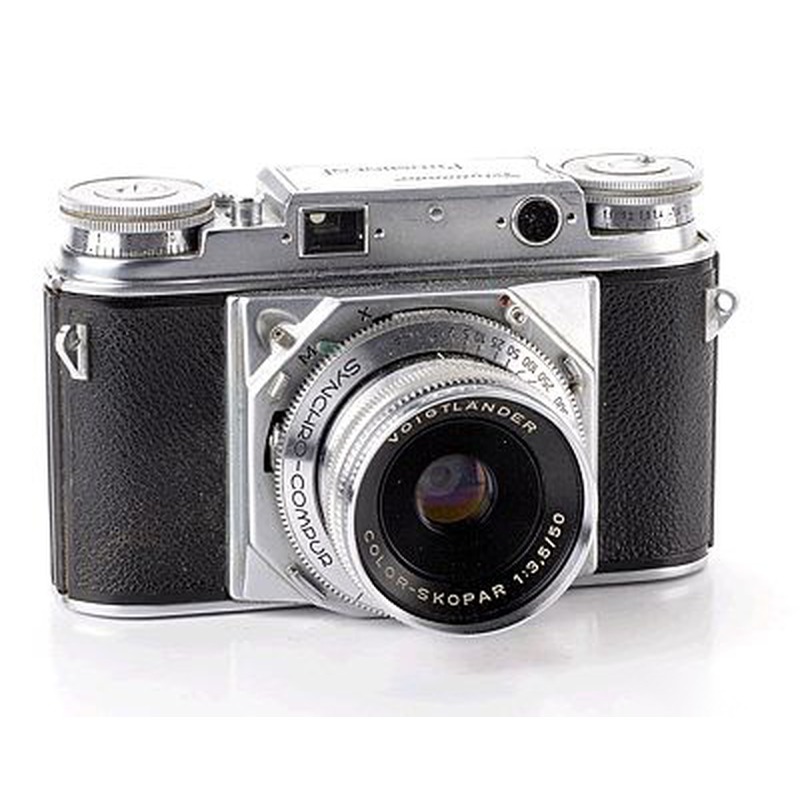
Voigtlander Vito II (prototype)
Voigtlander · Germany · 1950 · 135 film
Introduced in 1950, the Vito II prototype represents an important transitional period for Voigtlander, a German camera manufacturer with roots dating back to 1756. While not reaching the legendary status of contemporary Leica models, the Vito II was a significant refinement in Voigtlander's line of compact viewfinder cameras. As a prototype version, this particular example likely served as a test bed for design elements before full production began. The camera followed the original Vito model, which had debuted before World War II, and incorporated improvements that would influence Voigtlander's subsequent product offerings. The 135 format (35mm) positioning reflected the growing popularity of this film size among amateur photographers during the post-war years.
The Vito II featured Voigtlander's characteristic attention to detail and quality construction, despite being positioned as a more affordable option than their premium models. It would have been equipped with a reliable shutter system and a sharp lens typical of Voigtlander's optical expertise. As a prototype, this version may have differed subtly from the final production models, potentially offering insight into Voigtlander's design process. The camera represents a solid engineering achievement of its era—functional, well-built, and accessible to photography enthusiasts who wanted German quality without the premium price tag of top-tier brands.
Specifications
| Film Format | 135 |
/main.jpg)
 Enjoy this museum? Support on Ko-fi