_(black)/main.jpg)
Pricing
Pentax Spotmatic F (SP F) (black)
Pentax · Japan
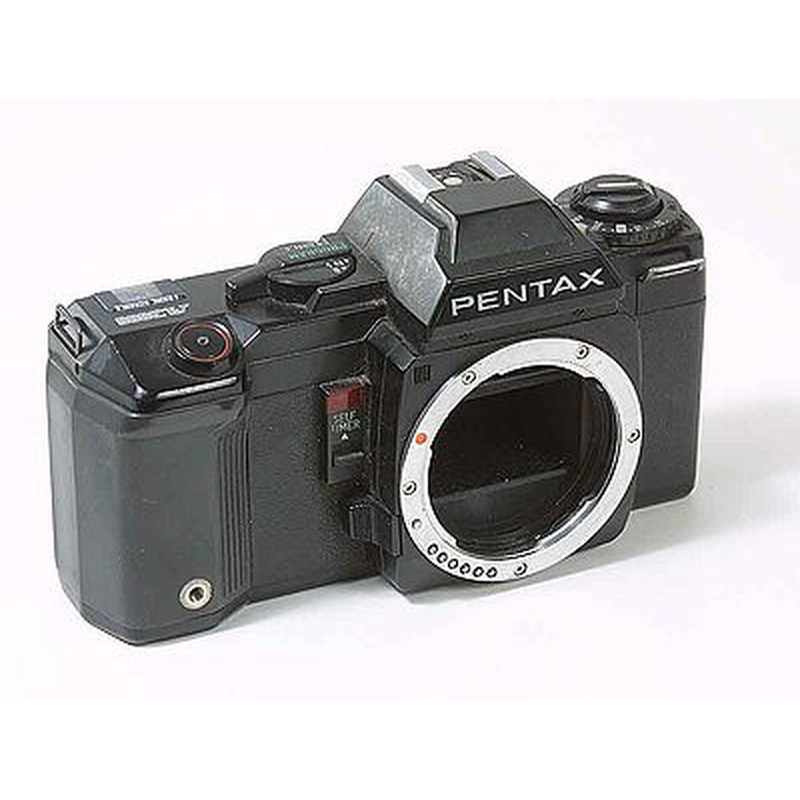
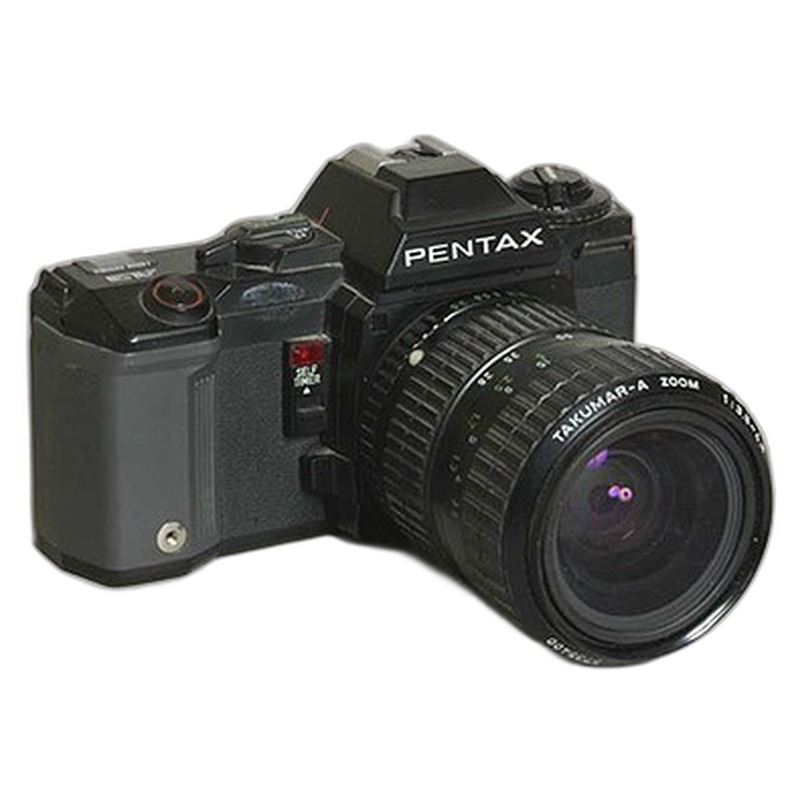
The Pentax Spotmatic F (SP F), introduced in the late 1960s as an evolution of the groundbreaking original Spotmatic, represents a significant refinement in the popular 35mm single-lens reflex (SLR) market. Its most crucial innovation was the adoption of through-the-lens (TTL) full-aperture metering, moving away from the earlier stop-down metering system. This allowed photographers to view and meter at the lens's widest aperture, significantly enhancing convenience and accuracy during composition. The camera retained the robust, metal construction and reliable mechanical shutter of its predecessor, housed in a black finish that complemented its functional design. It became a trusted workhorse for amateurs and enthusiasts, valued for its excellent Takumar lens mount compatibility and intuitive controls, solidifying Pentax's reputation for producing accessible yet high-quality SLRs during the 35mm film boom. While not revolutionary like the first Spotmatic, the F model's practical metering advancement cemented its place as a key player in democratizing advanced photography.
The Spotmatic F maintained the Spotmatic series' core strengths: a solid, well-balanced body with a reliable 1-1000th second focal plane shutter, a bright pentaprism viewfinder, and the excellent M42 screw mount. Its meter, visible as needles or LEDs in the viewfinder depending on the specific variant, provided accurate center-weighted readings, making it reliable for everyday shooting. As a bridge between manual-only SLRs and more complex models, it offered a user-friendly experience that encouraged photographers to explore creative controls. Its widespread use across documentary, portrait, and travel photography contexts underscores its practical importance during its production era.
 Enjoy this museum? Support on Ko-fi