Pricing
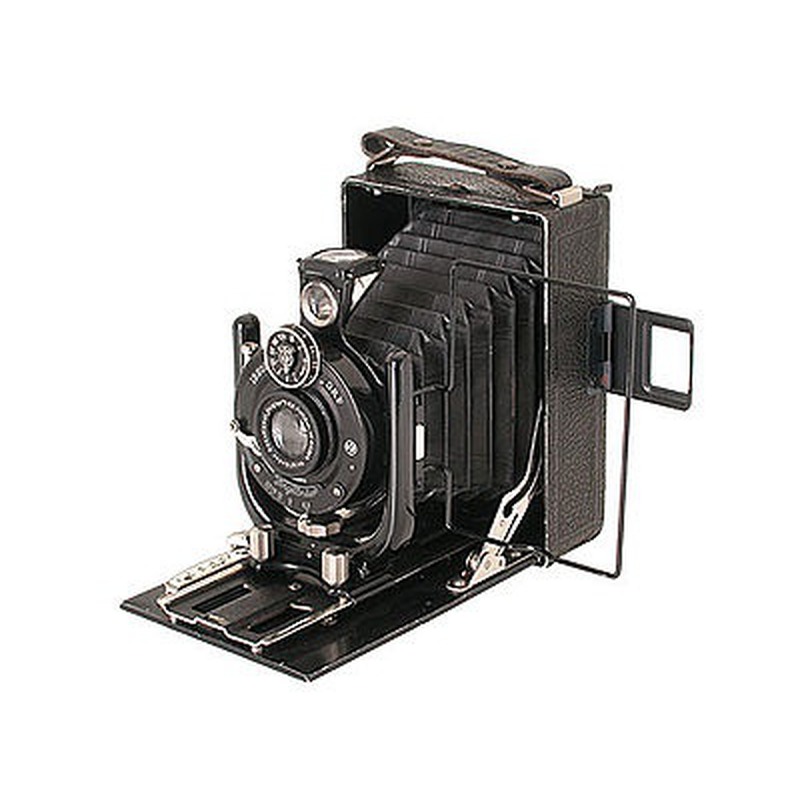
Voigtlander VAG
Voigtlander · Germany · 1925–1934 (9 years) · 135 film
The Voigtlander VAG represents an early, though perhaps unsung, participant in the formative years of 35mm still photography. Produced between 1925 and 1934 by the renowned German optical firm Voigtlander, this camera utilized the emerging 135 film format, positioning it alongside contemporaries like the Leica I. While lacking the documented groundbreaking innovations or iconic status of those landmark models, the VAG served Voigtlander's purpose of entering the burgeoning small-format market, offering a compact alternative to larger plate or roll-film cameras during a period of significant technological transition. Its existence underscores Voigtlander's engagement with the future of photography, even if specific details about its shutter speeds, lens options, or user experience are not widely documented today.
As an early adopter of 135 film, the VAG holds a place within the broader narrative of how 35mm gradually supplanted larger formats for amateur and professional photographers alike. Voigtlander's reputation for quality optics likely extended to the VAG's lenses, contributing to its utility for capturing images on the new, smaller film stock. It typifies the experimental yet practical phase of 35mm development, before the format became standardized and universally accepted. Its production run nearly a decade indicates a certain market viability and represents a tangible link to the early days of handheld, high-volume photography.
Specifications
| Film Format | 135 |
/main.jpg)
/main.jpg)
_Deluxe/main.jpg)
 Enjoy this museum? Support on Ko-fi