Pricing
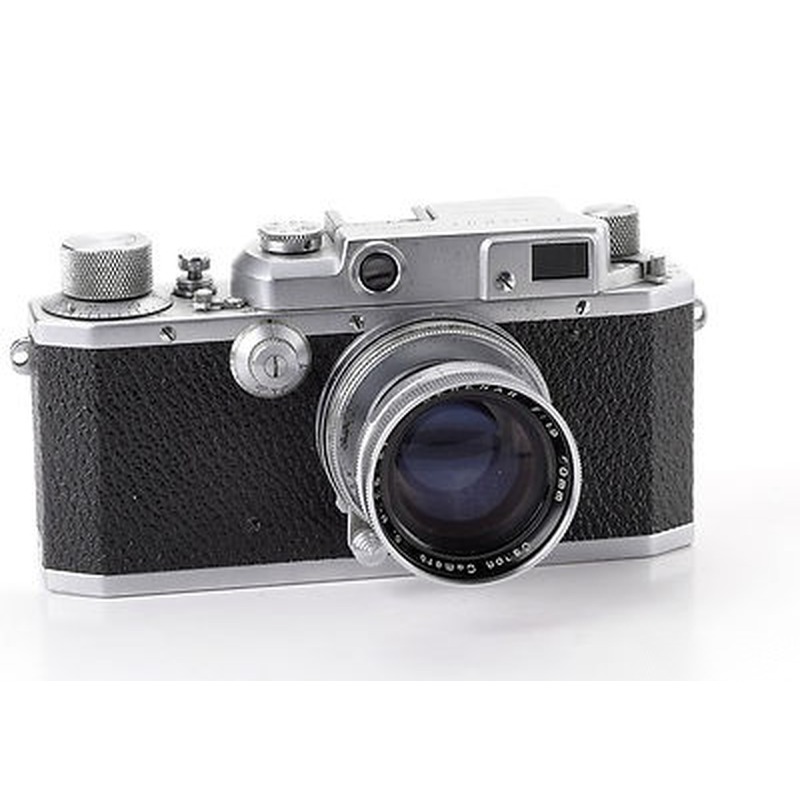
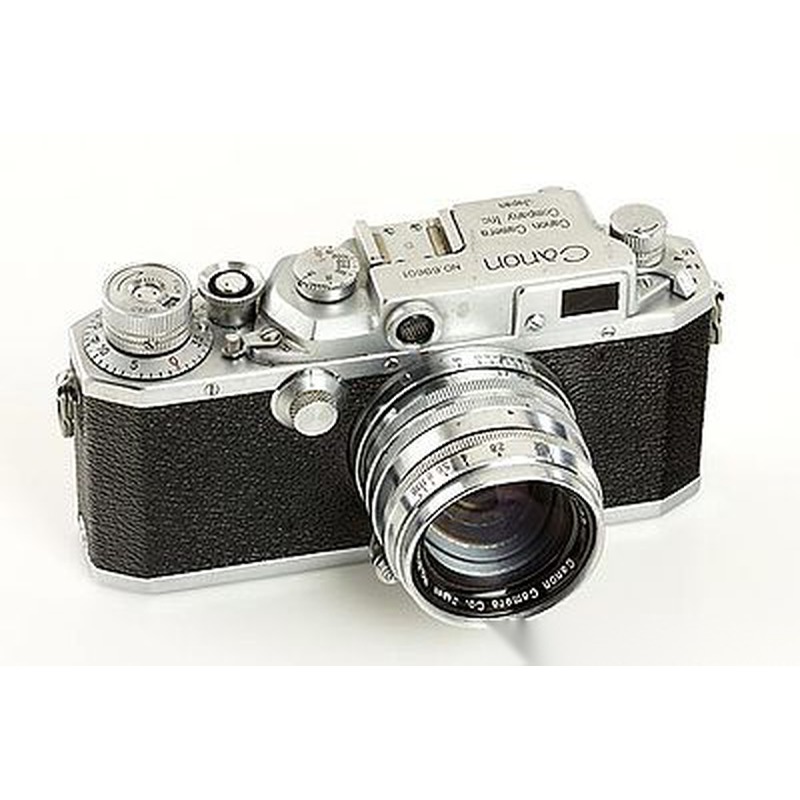
Canon IIAF
Canon · Japan · 1953–1956 (3 years) · 135 film
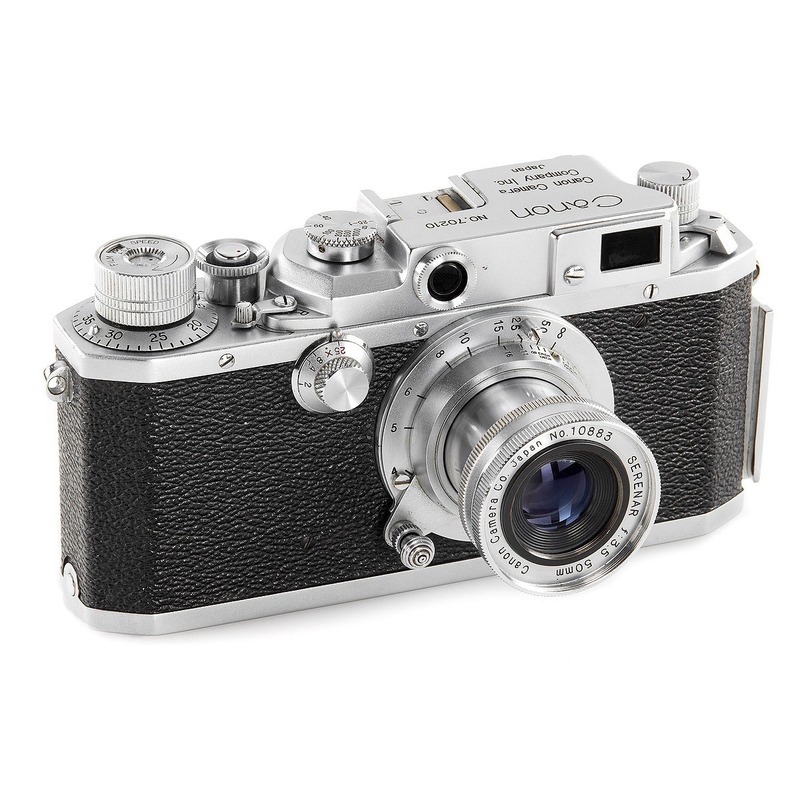
The Canon IIAF represents a significant step in Canon's post-war evolution within the 35mm market. Produced from 1953 to 1956, it emerged from Canon's earlier rangefinder models like the II and III series, offering a refined and robust design aimed at serious enthusiasts and professionals seeking reliable, domestically produced alternatives to European brands. Its construction prioritized durability, featuring a metal body and precise mechanics characteristic of Canon's engineering focus during this era. While not possessing the groundbreaking innovations of later landmark models, the IIAF solidified Canon's reputation for building competent, well-engineered rangefinder cameras that delivered consistent performance. It served as a crucial workhorse in Japan, contributing to the popularization of 35mm photography domestically and helping Canon build the technical foundation that would lead to future iconic cameras like the Canon P and Canonet QL17.
Internally, the IIAF featured a reliable Leica-threaded lens mount, allowing compatibility with Canon's own Serenar and later Canon lenses, as well as a wide array of third-party optics. It incorporated a coupled rangefinder for accurate focusing and offered shutter speeds typically up to 1/500th second, providing practical control for varied shooting conditions. Its design balanced functionality with accessibility, representing a mature product within Canon's mid-20th century lineup. While rarely achieving the legendary status of contemporaries like the Leica III or Nikon S2, the IIAF holds a place of importance as a testament to Canon's development, demonstrating their ability to produce high-quality, dependable cameras that bridged the gap between the post-war recovery and the boom of the 1960s.
Specifications
| Film Format | 135 |
/main.jpg)
/main.jpg)
 Enjoy this museum? Support on Ko-fi