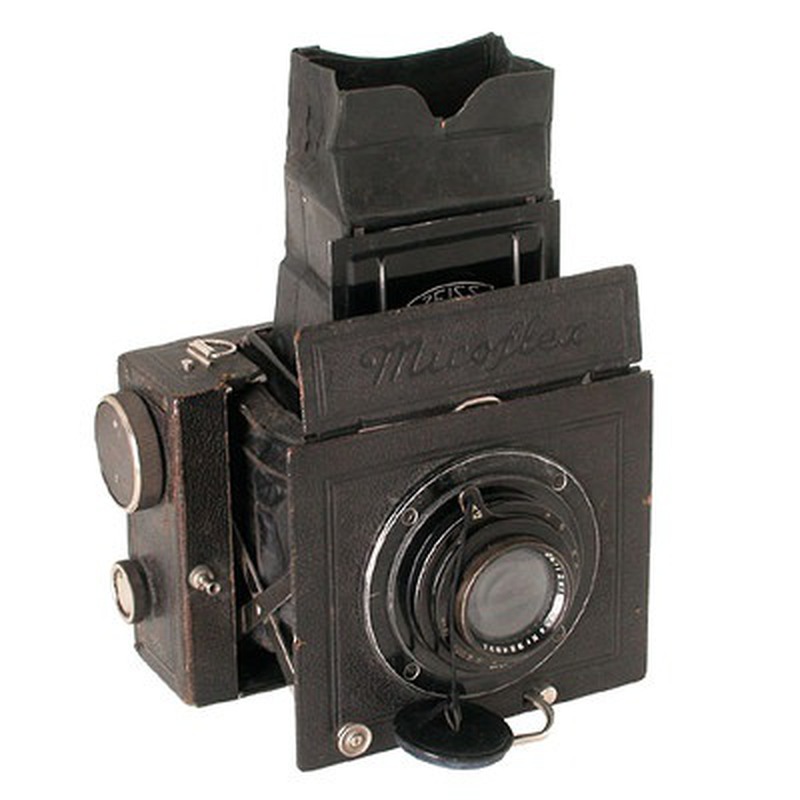
Zeiss Miroflex A 859/3
Zeiss · Germany · 1929–1936 (7 years) · 135 film
The Miroflex A 859/3 represents Zeiss Ikon's entry into the burgeoning 35mm still camera market during a crucial early period. Produced continuously from 1929 to 1936, it offered a compact alternative to larger plate and roll-film cameras, utilizing then-novel 35mm motion picture film cassettes. While its specific model type remains undocumented in the provided information, its construction and target market suggest a practical, likely viewfinder-based design aimed at amateur photographers seeking modern portability. As one of Zeiss's early forays into 35mm, the Miroflex A 859/3 holds significance for demonstrating the company's response to the emerging format popularized by competitors like Leica, contributing to the diversification of small-format photography options in the 1930s. Its longevity over seven years indicates a functional and reasonably priced product that found a place in the market.
Given the Zeiss Ikon reputation for quality engineering and the timeframe, the camera likely features solid metal construction typical of the era, ensuring reasonable durability. It exemplifies the practical application of 35mm technology before the format became standardized for still photography, serving as a historical artifact of the transition period. Its importance lies less in radical innovation and more in Zeiss's participation and sustained production within this vital segment during the format's formative years.
Specifications
| Film Format | 135 |
/main.jpg)
_(Tessar)/main.jpg)
/main.jpg)
/main.jpg)
/main.jpg)
 Enjoy this museum? Support on Ko-fi