Pricing
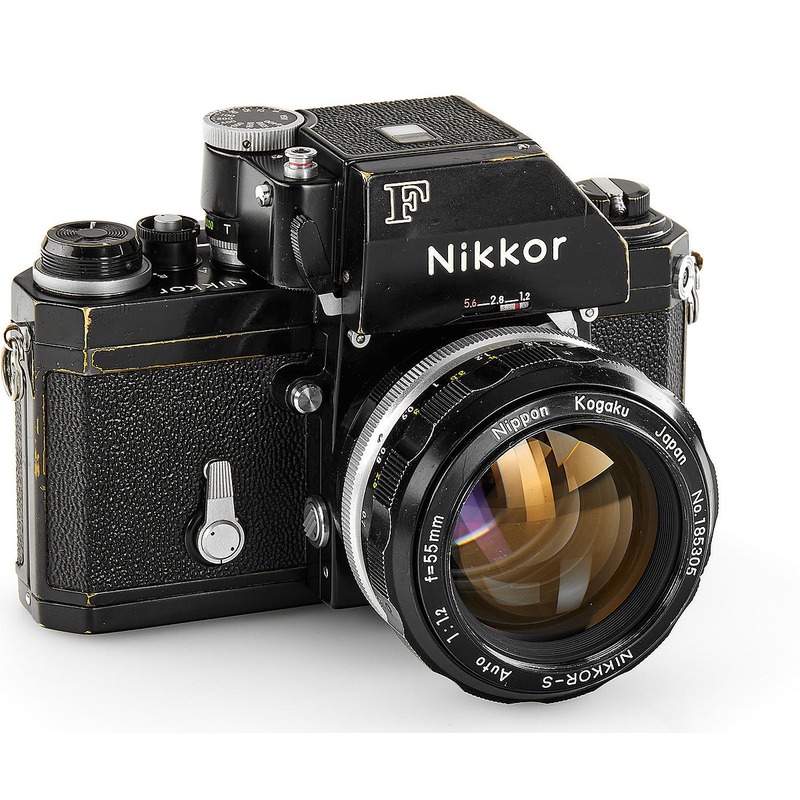
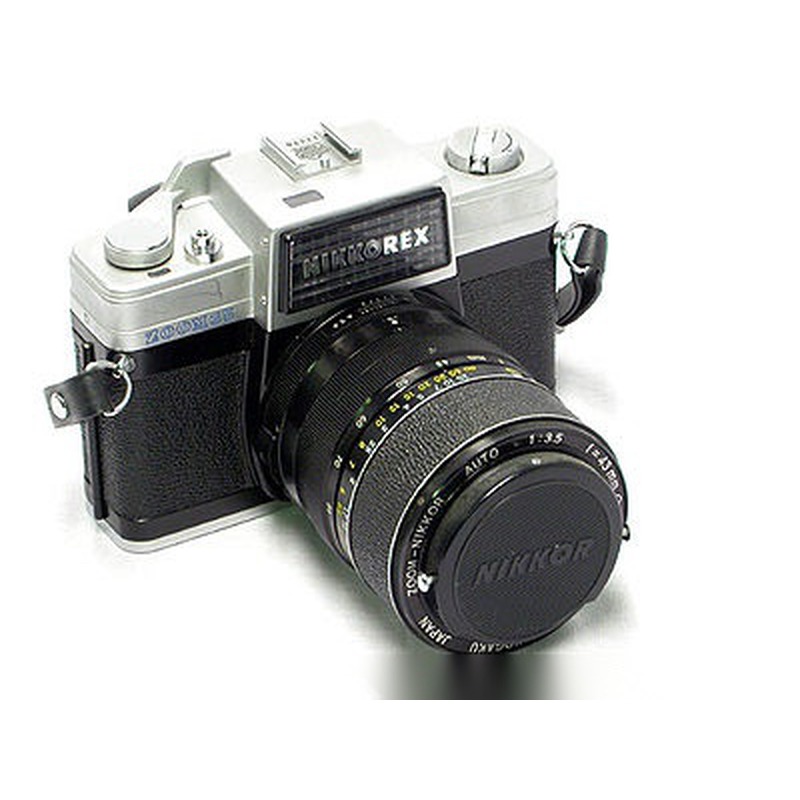
Nikon Nikkor F Photomic
Nikon · Japan · 1962 · 135 film
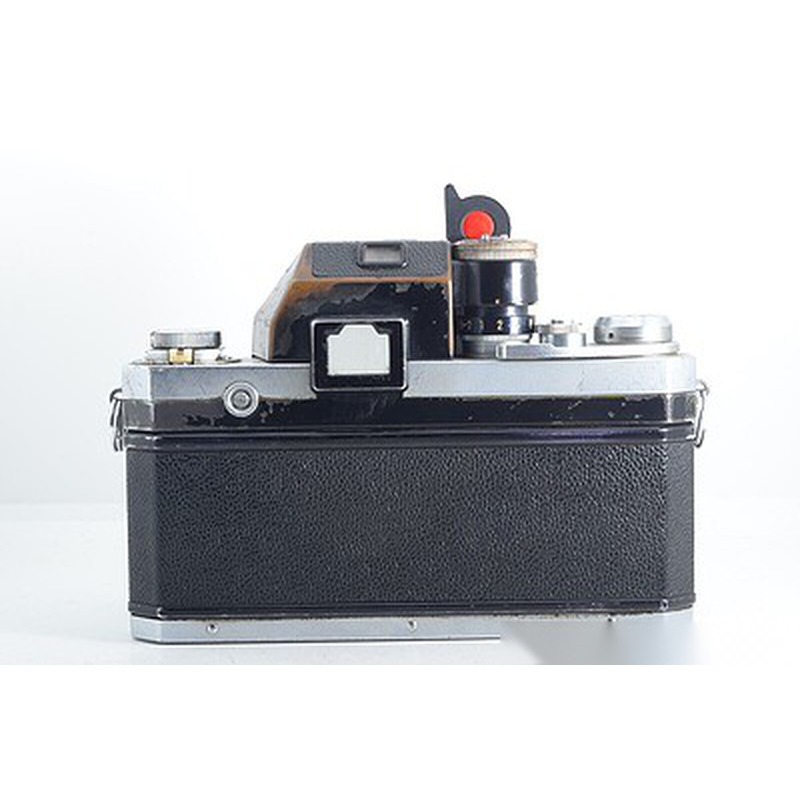
The Nikkor F Photomic, introduced in 1962, represents a pivotal evolution in the legendary Nikon F system, which had already established itself as the definitive professional 35mm single-lens reflex camera just three years earlier. This specific variant integrated a revolutionary "Photomic" pentaprism head containing a coupled selenium cell light meter directly into the camera's top housing. This innovation eliminated the need for a separate, external light meter meter, significantly streamlining the photographic workflow for professionals and serious amateurs. It retained the robust, modular design of the original F, featuring a die-cast aluminum body, a cloth focal plane shutter with speeds from 1 to 1/1000 second, and the incredibly precise Nikon F bayonet lens mount, ensuring compatibility with Nikon's rapidly expanding range of high-quality Nikkor optics. The Photomic prism offered a bright, full-frame viewfinder with match-needle exposure indication visible alongside the focusing screen, providing real-time exposure information without taking the eye away from the subject.
This model cemented the Nikon F's dominance in photojournalism and documentary photography during the 1960s, becoming a trusted tool for renowned photographers covering events worldwide, from conflicts to political campaigns and cultural shifts. Its combination of durability, exceptional optical performance through its lens system, and the practicality of the built-in meter made it the undisputed workhorse of its era. The Photomic version, alongside the standard non-metered F and the later Photomic T (with CdS meter), formed the backbone of Nikon's professional SLR system, setting the standard for decades to come and directly influencing the design of all subsequent professional 35mm SLRs. It exemplified the synergy of precision mechanics and practical engineering that defined the golden age of film photography.
Specifications
| Film Format | 135 |
/main.jpg)
/main.jpg)
 Enjoy this museum? Support on Ko-fi