Pricing
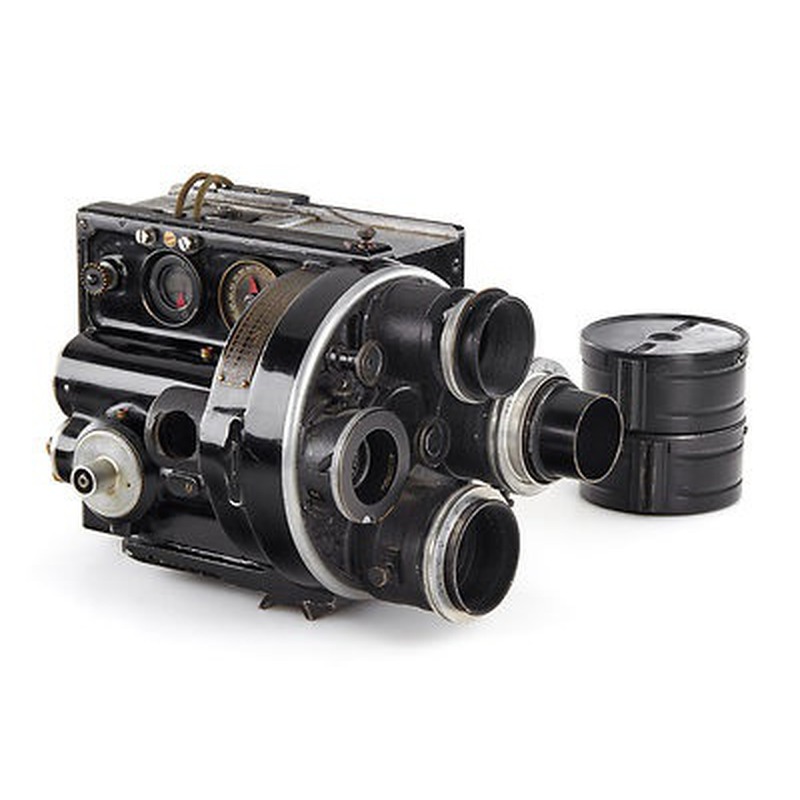
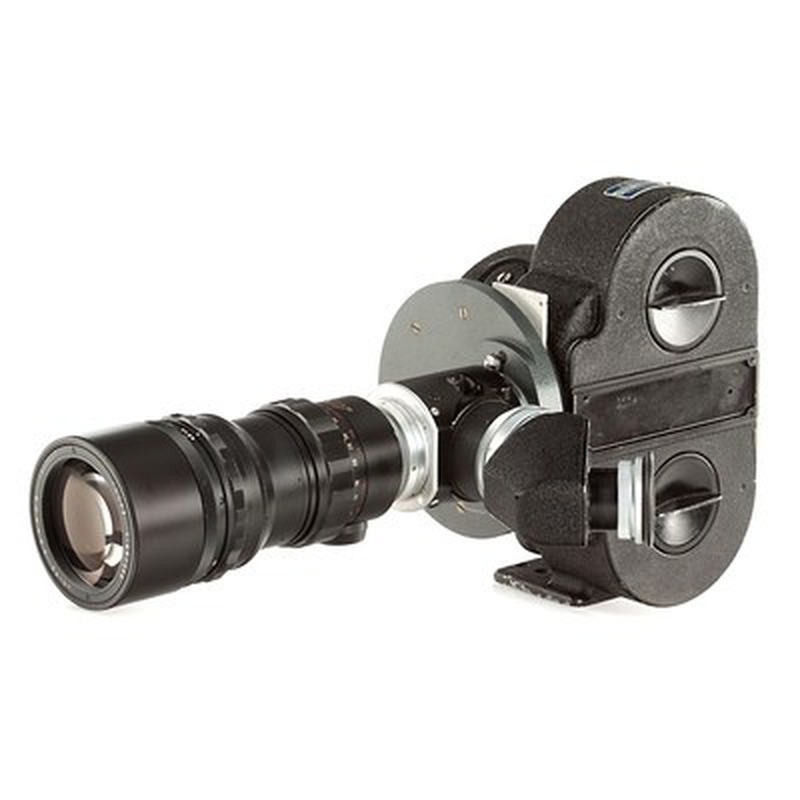
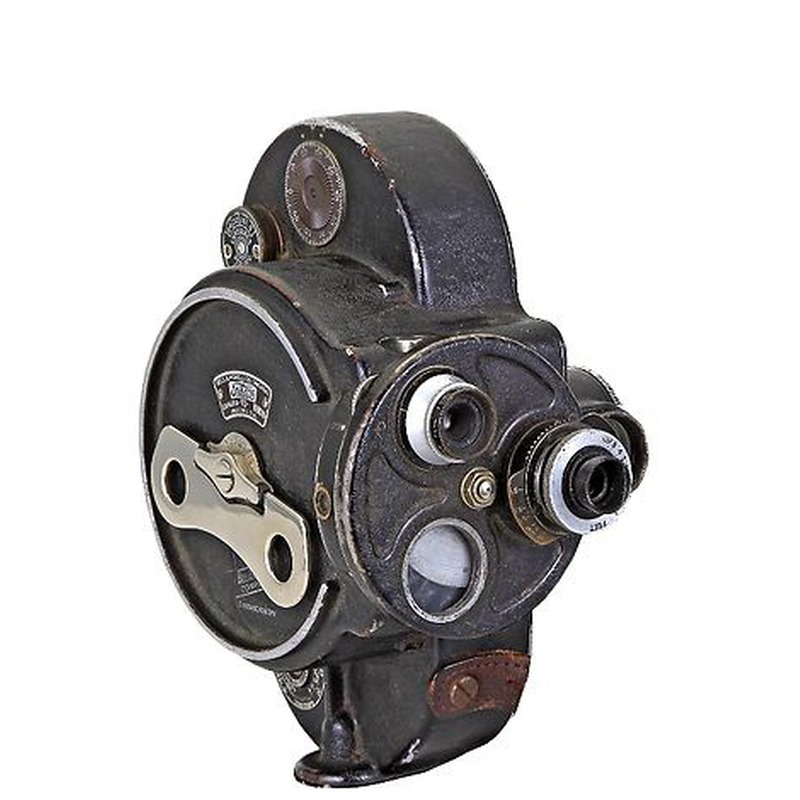
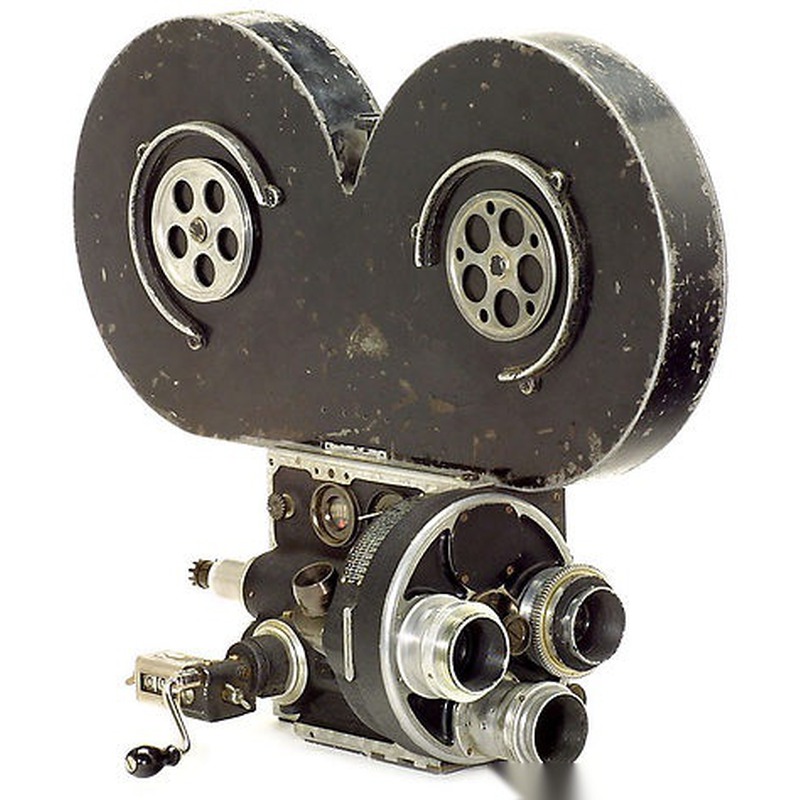
Bell & Howell Model B
Bell & Howell · USA · 1926 · 135 film
The Bell & Howell Model B, introduced in 1926, stands as one of the earliest American responses to the revolutionary 35mm still camera format that Leica had pioneered just the year before. Leveraging their decades of expertise in precision motion picture equipment manufacturing, Bell & Howell entered the still photography market with a camera that reflected their engineering heritage. The Model B featured a robust, metal construction typical of professional cinema equipment of the era, with a focal-plane shutter mechanism that offered speeds ranging from 1/20 to 1/1000 second. Unlike many competitors, Bell & Howell emphasized durability and precision engineering, positioning their camera as a serious alternative to the German imports that were dominating the emerging market. The camera employed a coupled rangefinder focusing system and accepted standard 35mm cassettes, providing compatibility with the expanding ecosystem of small-format photography that was beginning to transform the industry.
While not achieving the same iconic status as the Leica cameras it competed against, the Model B represented a significant development in American photographic technology. It demonstrated how established equipment manufacturers could adapt their expertise to serve the still photography market, influencing the trajectory of American camera manufacturing in the decades that followed. The Model B's introduction came during a pivotal moment in photography history, as 35mm film transitioned from its origins in motion picture work to become the dominant format for serious still photography. Despite its relatively short production run, the camera's design philosophy—emphasizing precision engineering and mechanical reliability—helped establish Bell & Howell's reputation as a producer of high-quality photographic equipment beyond the motion picture industry.
Specifications
| Film Format | 135 |
/main.jpg)
 Enjoy this museum? Support on Ko-fi