Pricing
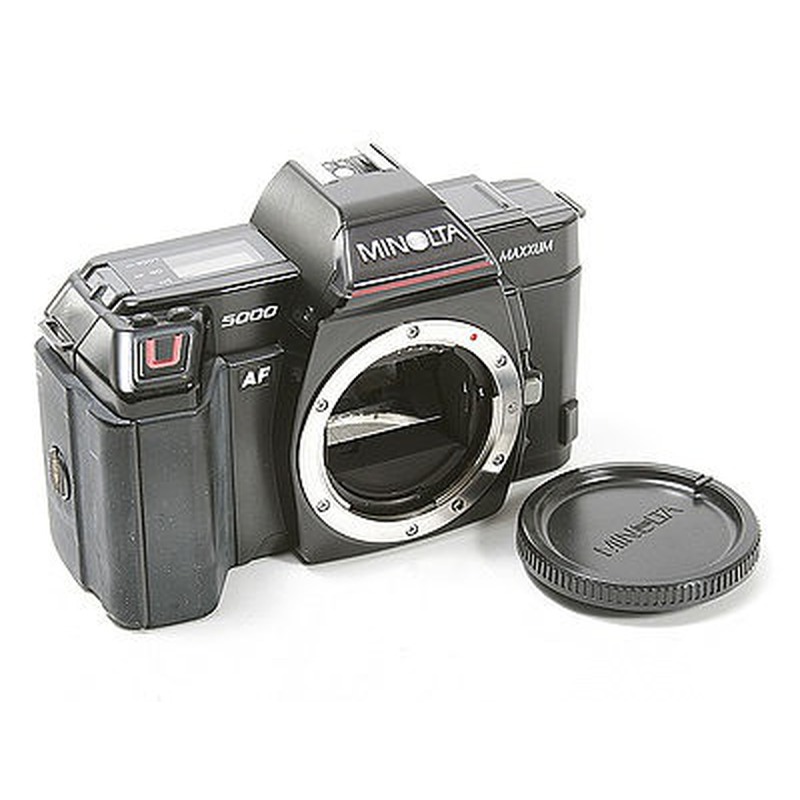
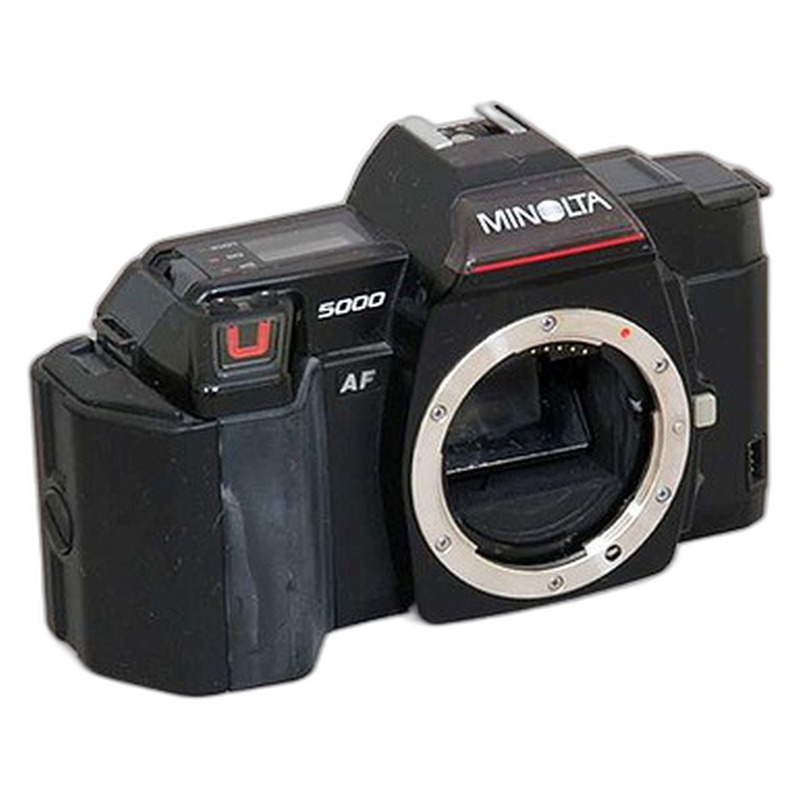
Minolta Maxxum 5000
Minolta · Japan · 1986 · 135 film
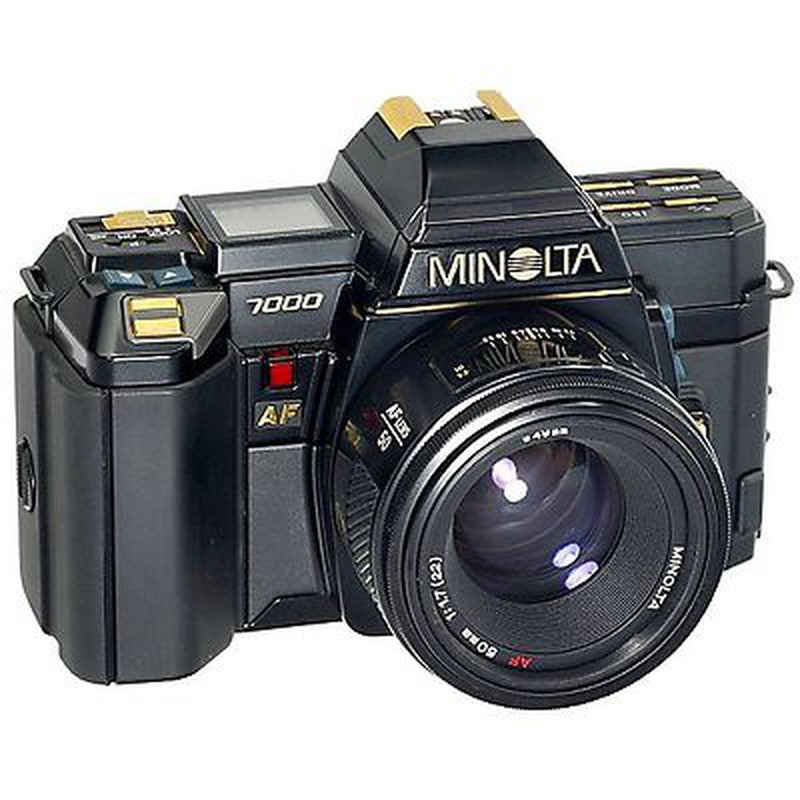
The Maxxum 5000, introduced by Minolta in 1986, was positioned as a more accessible model in the company's growing autofocus SLR lineup following the groundbreaking Maxxum 7000 of 1985. This compact 35mm camera featured Minolta's second-generation autofocus system, providing reliable performance for amateur photographers transitioning from manual to autofocus technology. With its integrated motor drive and simplified interface compared to the flagship 7000, the 5000 made advanced autofocus features available at a more affordable price point. The camera utilized Minolta's popular A-mount system, ensuring compatibility with the expanding range of autofocus lenses that Minolta was developing at the time. Built with a polycarbonate body and metal internal components, it offered a balance between durability and affordability that appealed to the growing consumer market for electronic SLRs during this transitional period in photographic technology.
The Maxxum 5000 incorporated several practical features that made it suitable for everyday photography, including a built-in TTL flash meter, shutter speeds from 1 to 1/2000 second, and exposure modes ranging from full program to aperture-priority automation. Its compact size and relatively lightweight construction made it convenient for everyday use, while maintaining the robust build quality that Minolta had become known for in their earlier manual-focus cameras. The camera represented an important step in the democratization of autofocus technology, helping to accelerate the industry-wide shift from manual to electronic autofocus systems that would define consumer photography throughout the remainder of the 1980s and beyond.
Specifications
| Film Format | 135 |
 Enjoy this museum? Support on Ko-fi