/main.jpg)
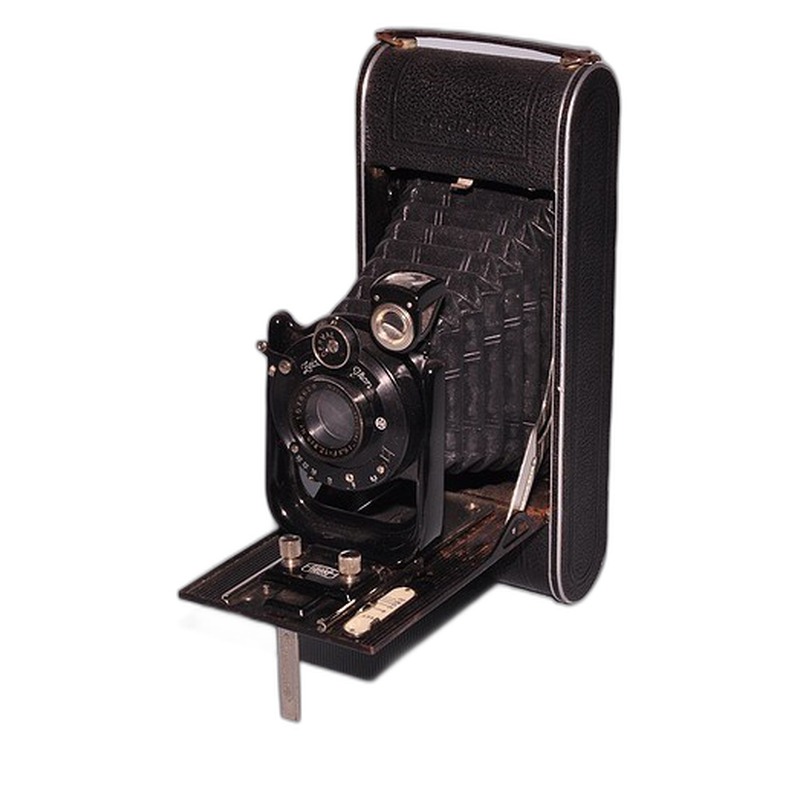
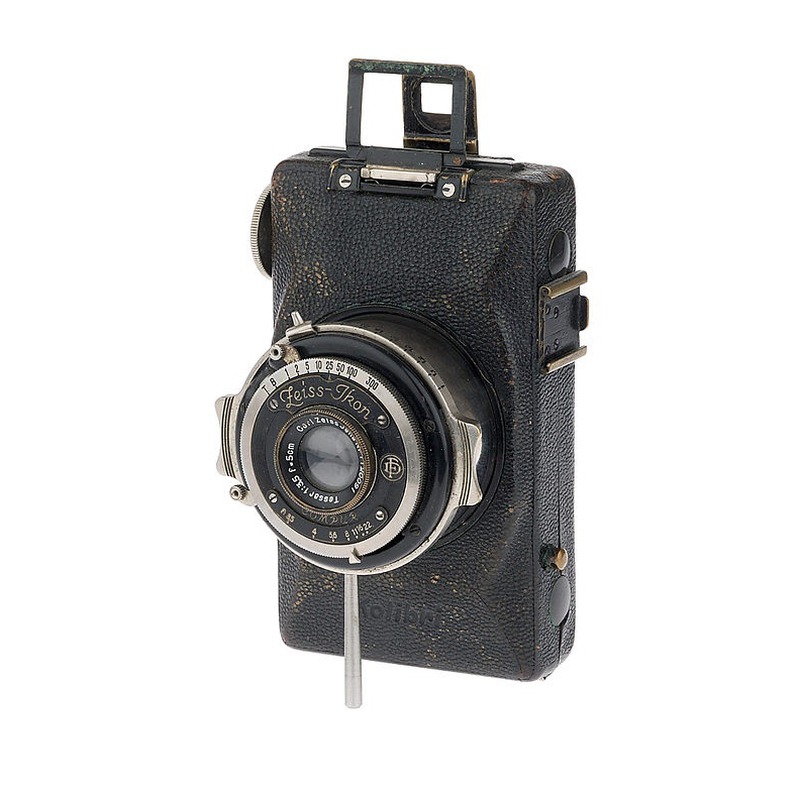
Zeiss Ikomat D (520/15)
Zeiss · Germany · 1930 · 135 film
Introduced in 1930, the Ikomat D (520/15) represents Zeiss's entry into the burgeoning 35mm still camera market, a format pioneered by competitors like Leica just a few years prior. As part of Zeiss's Ikomat line, positioned as a more accessible offering compared to their prestigious Contessa and Contax models of the era, this camera likely featured a straightforward, practical design typical of early 35mm roll-film cameras. Built during a period of significant innovation and consolidation in the camera industry, the Ikomat D utilized the standardized 135 film cassette introduced by Kodak in 1934, though its initial launch predates this standard by a few years. Its basic character would have been characterized by essential functionality – a simple body housing a fixed or limited range lens, basic shutter speeds, and fundamental focusing mechanisms – aimed at providing an affordable option for photographers embracing the smaller, more convenient 35mm format over larger plate or roll-film cameras.
While the specific technical details of the Ikomat D's body type (likely a simple viewfinder camera) and exact specifications are not detailed in the provided information, its existence within the 1930 Zeiss lineup underscores the company's response to the growing market for small-format cameras. It served as a practical tool for amateur photographers seeking the advantages of 35mm photography without the premium cost or complexity of Zeiss's high-end offerings of the time. Its historical context lies within the formative years of 35mm photography, contributing to the popularization of the format by established optical manufacturers, even if it wasn't a groundbreaking design itself.
Specifications
| Film Format | 135 |
/main.jpg)
/main.jpg)
/main.jpg)
 Enjoy this museum? Support on Ko-fi